
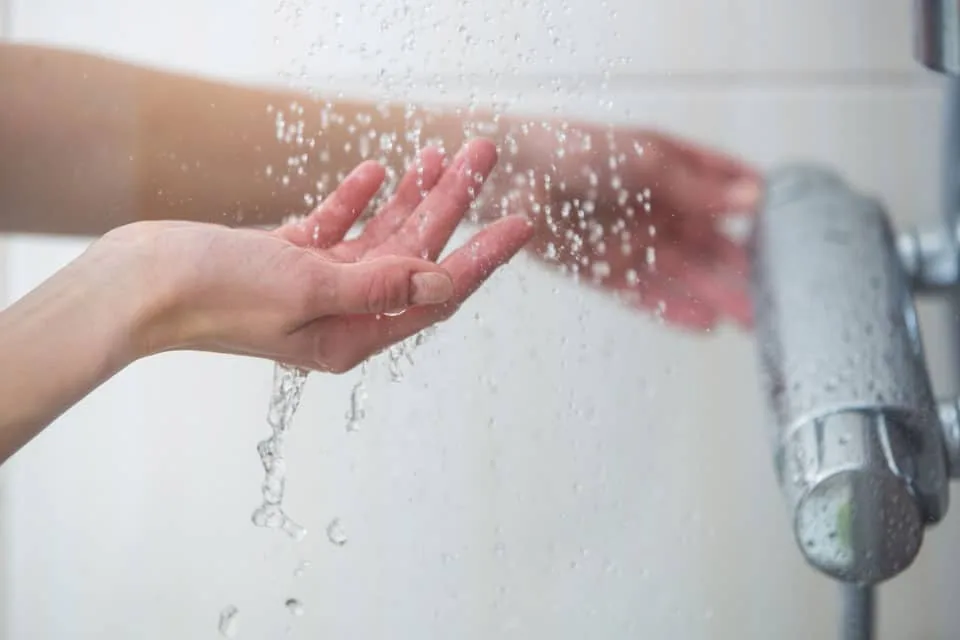
Your shower goes hot and cold because something is disrupting the balance between the hot and cold water supply while you are using it. The most common causes are a faulty tempering valve, a worn shower mixer cartridge, simultaneous water use elsewhere in the house, or a hot water system that cannot maintain consistent output.
Adelaide homes face this problem more often than you might expect, particularly older properties with undersized pipes and ageing hot water systems. Servicing homes across the Adelaide metropolitan area, Exceed Plumbing diagnoses and fixes shower temperature problems across Adelaide. This guide covers the common causes, how to identify which one applies to your home, what you can fix yourself, and when to call a licensed plumber.
Why Shower Temperature Fluctuates
A consistent shower depends on a stable, uninterrupted supply of both hot and cold water at roughly equal pressure. When something changes the pressure or flow on either side, the temperature swings.
I have been diagnosing shower temperature problems across Adelaide for years, and the cause almost always falls into one of two categories: a component issue (something in the shower, hot water system, or tempering valve has failed) or a demand issue (another fixture in the house is competing for the same water supply at the same time).
Understanding which category you are dealing with saves time and avoids calling the wrong tradesperson. Under current Australian plumbing standards, tempering valves must limit hot water delivery to a maximum of 50°C at bathroom taps and showers. A faulty tempering valve does not just cause temperature swings. It can also create a scalding risk that puts your household at risk.
Common Causes of a Shower Going Hot and Cold
Most shower temperature fluctuations trace back to one of these causes, and each one behaves slightly differently. Identifying the pattern helps narrow down the source before calling a plumber:
Faulty or Worn Tempering Valve
The tempering valve blends hot water from your system (stored at 60°C or above) with cold water to deliver a safe 50°C at bathroom outlets. When the thermostatic element inside the valve wears out or mineral scale builds up around it, the valve cannot regulate properly. The result is water that swings between too hot and too cold in unpredictable bursts. Under current Australian plumbing standards, tempering valves must be tested every 12 months and replaced approximately every five years. Adelaide’s moderately hard water accelerates mineral buildup inside these valves.
Worn Shower Mixer Cartridge
The mixer cartridge inside your shower tap controls the blend of hot and cold water. Over time, the ceramic discs or rubber seals inside the cartridge wear out, allowing pressure from one side to overpower the other. If the temperature swings happen regardless of whether anyone else is using water, the mixer cartridge is likely the cause. A leaking shower tap is often an early sign that the cartridge is failing.
Simultaneous Water Use in the House
When someone flushes the toilet, runs the kitchen tap, or starts the washing machine while you are showering, the cold water pressure drops because it is being shared across multiple outlets. Your shower suddenly gets hotter because the hot-to-cold ratio shifts. In older Adelaide homes with 15mm (half-inch) supply pipes, this effect is more severe because the pipe diameter cannot deliver enough flow to multiple fixtures at once.
Hot Water System Struggling to Keep Up
If your hot water system is undersized, ageing, or has a failing element, it may not maintain a consistent output temperature. Electric storage systems with a failed lower element deliver hot water from the top of the tank only, which runs out quickly. Gas continuous flow systems can struggle when multiple outlets draw hot water simultaneously, causing the burner to cycle on and off. For more on this, see our guide on hot water running out quickly.
Pressure-Limiting Valve (PLV) Issues
Most Adelaide homes have a pressure-limiting valve on the mains supply to reduce SA Water’s high street pressure to a safe level for internal plumbing. If the PLV is failing or set incorrectly, it can cause inconsistent pressure throughout the house, including in the shower. A failing PLV often shows up as fluctuating pressure that affects multiple fixtures, not just the shower.
Undersized or Corroded Pipes
Older Adelaide homes in suburbs like Norwood, Prospect, and Colonel Light Gardens may still have original 15mm galvanised steel pipes. Corrosion narrows the internal diameter further, restricting flow. When demand increases even slightly (a toilet flush, a tap turning on), there is not enough capacity in the pipe to maintain balanced flow to the shower.
Diagnostic Table: Identifying the Cause
| Pattern | Likely Cause | Who to Call |
| The temperature swings randomly, and no one else is using water | Tempering valve or mixer cartridge | Licensed plumber |
| The shower goes cold when the toilet flushes or the tap runs | Simultaneous demand or undersized pipes | Licensed plumber |
| Hot water runs out after a few minutes, then goes cold | Hot water system (undersized or failing element) | Licensed plumber |
| Temperature fluctuates at all taps, not just the shower | Pressure-limiting valve or mains issue | Licensed plumber |
| Shower only lukewarm, never reaches full heat | Tempering valve stuck or over-mixing | Licensed plumber |
| Pressure drops in the shower when the washing machine fills | Undersized supply pipes (15mm) | Licensed plumber |
How to Identify the Problem Yourself
Before calling a plumber, these simple checks help you narrow down the cause and describe the problem accurately. They take less than 10 minutes and need no tools:
Test Whether Temperature Changes When Someone Else Uses Water
Ask someone in the household to flush the toilet or turn on the kitchen tap while you are in the shower. If the shower temperature changes immediately, the issue is simultaneous demand. Your plumbing system cannot maintain balanced pressure across multiple outlets at the same time.
Test the Hot Water at Other Taps
Run the hot tap at the bathroom basin or kitchen sink. Does the temperature stay consistent, or does it also fluctuate? If hot water is unstable at all taps, the problem is with the hot water system or the tempering valve, not the shower itself.
Check How Long Hot Water Lasts
Start a shower and time how long the hot water lasts before it goes cold. If it drops out after five to ten minutes, the hot water system is likely undersized, has a failing element, or has heavy sediment buildup reducing usable capacity.
Listen for the Hot Water System Cycling
With a gas continuous flow system, listen for the burner igniting and shutting off repeatedly during the shower. This cycling indicates the system is struggling to maintain output, often because the minimum flow rate is not being met or because multiple outlets are drawing at the same time.
Check Your Pressure-Limiting Valve
Your PLV is usually located near the water meter. If it is old, corroded, or visibly leaking, it may be causing pressure inconsistencies across the house. PLV replacement is a licensed plumber’s job, but identifying it as a potential cause helps focus the diagnosis.
More: What To Do If Your Shower Water Pressure Is Low
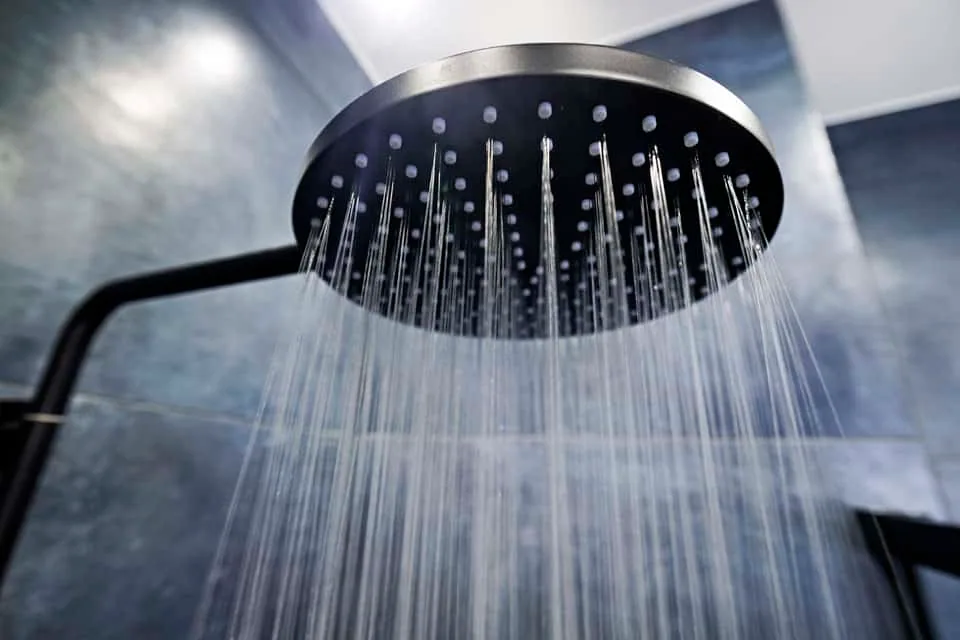
How to Fix a Shower That Goes Hot and Cold
The right fix depends entirely on the cause, and getting the diagnosis correct first avoids wasting time and money on the wrong repair:
Replace the Tempering Valve
If the tempering valve is faulty, a licensed plumber will remove the old valve and install a new one compliant with current Australian plumbing standards. This resolves temperature fluctuations caused by the valve’s inability to regulate the hot and cold blend. Under South Australian regulations, tempering valve work must be performed by a licensed plumber, and a certificate of compliance (eCoC) must be issued within seven days.
Replace the Shower Mixer Cartridge
A worn cartridge is a common fix. The plumber removes the mixer handle and faceplate, extracts the old cartridge, and installs a replacement matched to the tap brand and model. This restores consistent temperature control in the shower. Cartridge replacement typically takes less than an hour.
Upgrade the Supply Pipes
If undersized 15mm galvanised pipes are the cause, upgrading to 20mm or 25mm copper or PEX piping allows enough flow for multiple fixtures to operate without stealing pressure from each other. This is a larger job but permanently solves demand-related temperature issues. Our residential plumbing team can assess whether repiping the affected sections or the whole house is the better option.
Install a Thermostatic Shower Valve
A thermostatic shower valve maintains a set temperature regardless of pressure changes elsewhere in the system. Unlike a standard mixer, it actively compensates for fluctuations. This is the most effective solution for homes where simultaneous demand causes temperature swings and repiping is not practical.
Service or Replace the Hot Water System
If the hot water system is the root cause, a plumber can flush sediment from the tank, test and replace the thermostat or heating element, or recommend a system upgrade. An undersized system may need replacing with a larger tank or a continuous flow unit that heats on demand.
Adjust or Replace the Pressure-Limiting Valve
A failing PLV can be adjusted or replaced by a licensed plumber. This restores consistent mains pressure across the house, stabilising flow to the shower and all other fixtures.
In South Australia, all plumbing work must be performed by a licensed plumber under the Plumbers, Gas Fitters and Electricians Act 1995. A certificate of compliance (eCoC) must be issued within seven days, as outlined by the SA Office of the Technical Regulator.
Recently, the team and I completed an installation for an Adelaide homeowner who needed a plumbing upgrade. John Teager shared this feedback: “Fully deserving of 5 stars plus. From inquiry to quoting to installation was a rapid, seamless and completely pain-free experience. The Exceed team is responsive, knowledgeable, experienced, extremely courteous and thoroughly professional, backed up by great communication from Melanie in the office. Very highly recommend.” At Exceed Plumbing, that is the standard we hold ourselves to on every job.
Why This Problem Is Common in Adelaide Homes
Adelaide’s plumbing infrastructure and housing stock create conditions that make shower temperature fluctuations more frequent than in many other cities:
Older Homes with Undersized Pipes
Many Adelaide homes built before the 1980s in Burnside, Goodwood, Mitcham, and Magill have original 15mm galvanised supply pipes. These were adequate when homes had one bathroom and fewer water-using appliances. Modern households with two bathrooms, a dishwasher, and a washing machine running simultaneously overwhelm that capacity.
Adelaide’s High Mains Pressure
SA Water supplies water at relatively high pressure in many Adelaide suburbs. While the PLV reduces this to a safe level, the differential between mains pressure and internal plumbing capacity can cause flow imbalances, especially in homes with mixed pipe sizes or ageing PLVs.
Hard Water Accelerates Component Wear
Adelaide’s moderately hard water (calcium carbonate levels between 140 and 220 mg/L in many areas) causes mineral scale to build up inside tempering valves, mixer cartridges, and hot water system components faster than in softer water areas. This accelerates the wear on the components that regulate shower temperature.
Ageing Hot Water Systems
Many Adelaide homes still have electric storage hot water systems that are 10 to 15 years old or more. As these systems age, elements degrade, thermostats drift, and sediment reduces usable capacity. All of these contribute to inconsistent shower temperatures.
How to Prevent Your Shower from Going Hot and Cold
Prevention is cheaper and less disruptive than emergency repairs, and most shower temperature issues are avoidable with regular maintenance and smart water use habits:
Schedule Tempering Valve Testing Annually
Under current Australian plumbing standards, tempering valves must be tested every 12 months by a licensed plumber. The valve has an approximate lifespan of five years and should be replaced at that interval. Most homeowners are not aware of this requirement until the valve fails.
Service Your Hot Water System Annually
Annual servicing includes checking the thermostat, testing the heating elements, inspecting the anode rod, and flushing sediment from the tank. This keeps the system delivering consistent temperature and extends its lifespan. At Exceed Plumbing, we recommend annual servicing for all storage systems.
Stagger Water Use During Peak Times
Avoid running the shower, dishwasher, and washing machine at the same time. Staggering use by 10 to 15 minutes gives the plumbing system enough capacity to maintain balanced pressure at each outlet. This is especially important in homes with 15mm supply pipes.
Consider a Thermostatic Shower Valve
If your home has ongoing demand-related temperature issues and repiping is not practical, a thermostatic shower valve is the most cost-effective long-term solution. It actively compensates for pressure changes and maintains a set temperature regardless of what else is running.
Plan for Pipe Upgrades When Renovating
If you are renovating a bathroom or kitchen, use the opportunity to upgrade supply pipes from 15mm to 20mm or 25mm. The cost is minimal when walls and floors are already open, and the improvement to flow and temperature stability is significant.
More: How To Fix a Leaking Shower Tap

Adelaide Suburbs We Service
Exceed Plumbing diagnoses and fixes shower temperature problems across the entire Adelaide metropolitan area. We cover Salisbury, Mawson Lakes, Morphett Vale, Norwood, Goodwood, Linden Park, Modbury, West Lakes, Fulham Gardens, Mount Barker, Blackwood, Paralowie, Elizabeth, Golden Grove, Noarlunga, Happy Valley, Prospect, Colonel Light Gardens, Magill, Burnside, West Beach, Stirling, Mitcham, and every suburb in between. We aim to reach you within the hour, 24/7.
Stop the Hot and Cold Surprises
If your shower keeps swinging between hot and cold and you cannot identify the cause, it is time for a professional diagnosis. Whether the issue is a worn tempering valve, a failing mixer cartridge, undersized pipes, or a hot water system that cannot keep up, a licensed plumber can find it and fix it.
Call Exceed Plumbing on 0456 461 354 for a same-day shower and hot water diagnosis across Adelaide.
- 24/7 service, aiming to reach you within the hour
- Fixed upfront pricing, no surprises
- Fully licensed and insured (Licence #333997)
- Guaranteed workmanship on every job
- See our reviews on Google
Frequently Asked Questions
Why does my shower go hot and cold?
The most common causes are a faulty tempering valve, a worn shower mixer cartridge, simultaneous water use elsewhere in the house, or a hot water system that cannot maintain consistent output. Check whether the fluctuation happens when someone else uses a tap to help narrow down the cause.
Why does my shower keep going hot and cold when someone flushes the toilet?
Flushing the toilet draws cold water from the same supply line as your shower. This drops the cold water pressure at the shower, making the hot side temporarily dominant. Older Adelaide homes with 15mm supply pipes are most affected. A thermostatic shower valve or pipe upgrade resolves the issue.
Can a tempering valve cause my shower to go hot and cold?
Yes. A faulty or expired tempering valve cannot regulate the hot and cold blend properly. It over-mixes or under-mixes, causing unpredictable temperature swings. Under current Australian plumbing standards, tempering valves must be tested annually and replaced approximately every five years.
Why does my shower water keep going hot and cold with a continuous flow system?
Continuous flow (instantaneous) systems heat water on demand and have a minimum flow rate to activate the burner. If the shower flow drops below this threshold, the burner cycles on and off, causing temperature swings. Running multiple hot water outlets at the same time can also exceed the system’s capacity.
How do I stop my shower from going hot and cold?
The fix depends on the cause. A worn tempering valve or mixer cartridge needs replacing. Simultaneous demand issues can be solved with a thermostatic shower valve or pipe upgrade. Hot water system problems require servicing or replacement. A licensed plumber can diagnose and fix the specific cause.
Should I install a thermostatic shower valve?
A thermostatic valve is the most effective solution for homes where pressure changes from simultaneous water use cause temperature swings. It actively compensates for fluctuations and maintains your set temperature. It is especially worthwhile in older Adelaide homes where repiping is not practical.