
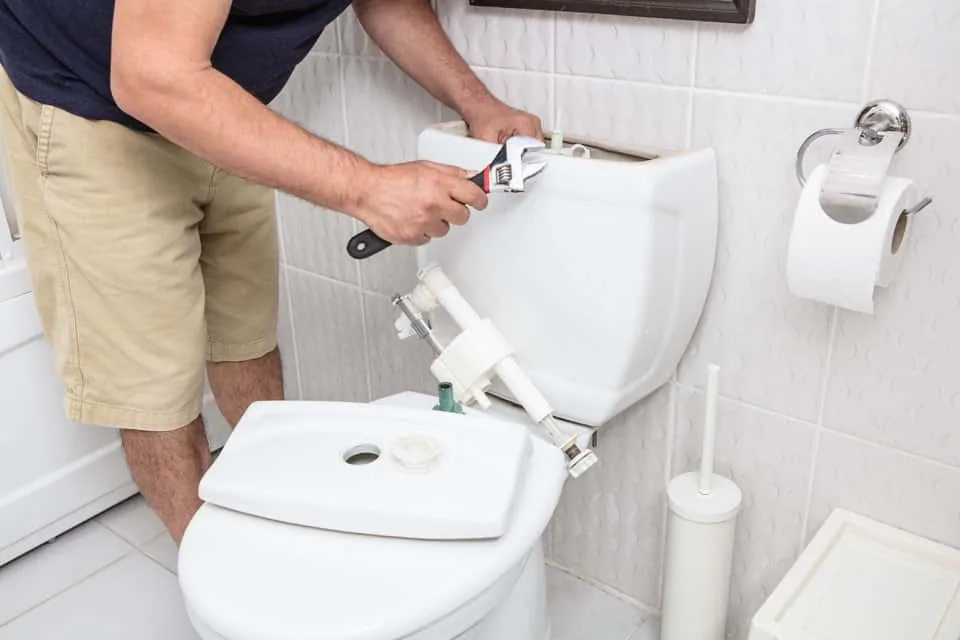
A toilet tank not filling with water is usually caused by a faulty fill valve, a stuck or misadjusted float, a closed shut-off valve, or low water pressure to the cistern. In most Adelaide homes, the fix involves replacing or adjusting a single internal component that controls water flow into the tank.
Adelaide’s mineral-rich water supply accelerates wear on internal cistern parts, particularly in older suburbs with original plumbing infrastructure. Exceed Plumbing diagnoses and repairs toilet tank filling faults across the Adelaide metropolitan area. This guide covers the common causes, what you can safely check yourself, and when professional help is the right call.
A Common Complaint Across Adelaide Households
When you flush and the tank doesn’t refill, or refills painfully slowly, it’s almost always an issue with the components inside the cistern or with the water supply feeding it. This is one of the most frequent toilet complaints in Adelaide, particularly in homes built before the 1990s where original brass and rubber components have been in service for decades.
Adelaide’s mains water draws partially from the River Murray, which carries higher dissolved mineral content than many other Australian capital city supplies. According to SA Health, the River Murray accounts for up to 90% of Adelaide’s drinking water during drought years. These dissolved minerals deposit calcium and lime scale on internal cistern parts over time, gradually reducing their ability to operate properly.
According to the Australian Government’s YourHome guide, replacing an old 12-litre single-flush toilet with a 4-star dual flush model saves a household more than 50,000 litres annually. A toilet not filling with water properly wastes similar volumes, because partially filled cisterns trigger repeat flushes and constant trickle flow.
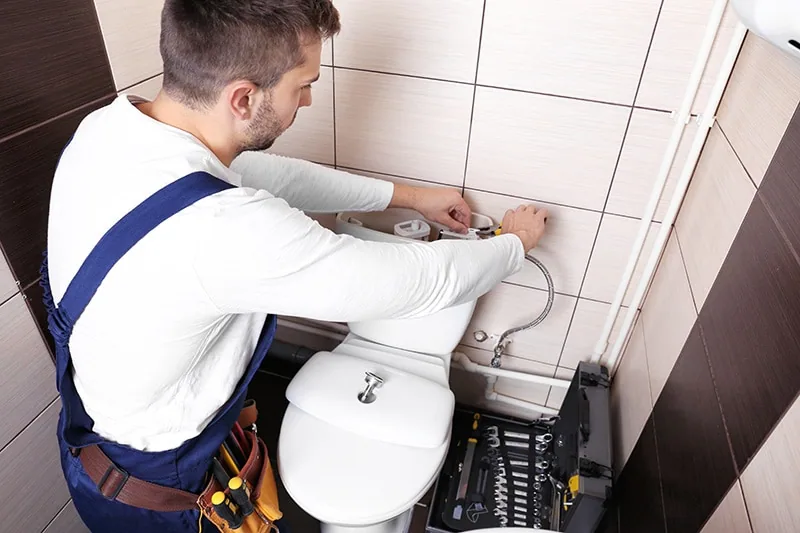
Reasons Behind a Toilet Tank Not Filling With Water
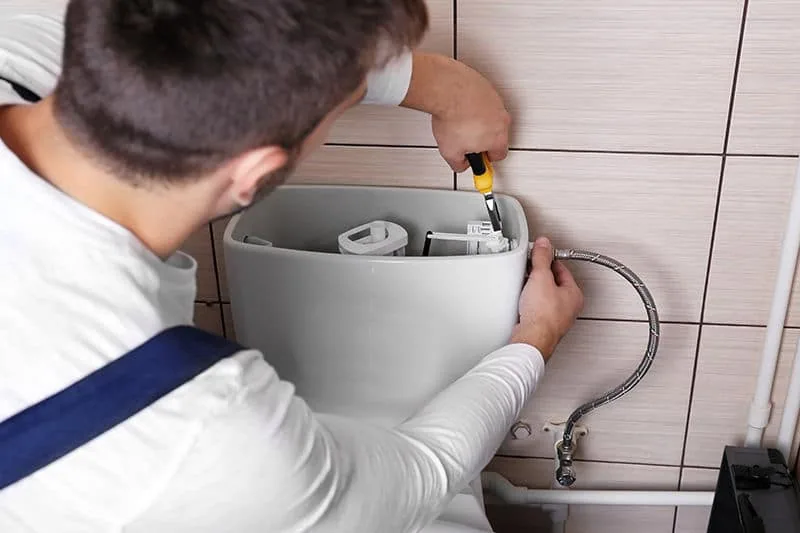
Several internal components work together to fill your cistern after each flush. When any one of them fails, the tank either fills slowly, partially, or not at all:
- Faulty or worn fill valve (inlet valve). The fill valve controls water flow into the cistern, and when it wears out or clogs with mineral sediment, water entry slows or stops completely. Adelaide homes along the coast, including Henley Beach and West Beach, often see faster valve deterioration from chlorine in locally treated supply.
- Stuck or misadjusted float mechanism. The float rises with the water level and signals the fill valve to shut off. If the float is set too low, stuck in position, or cracked, the tank won’t reach the correct fill level.
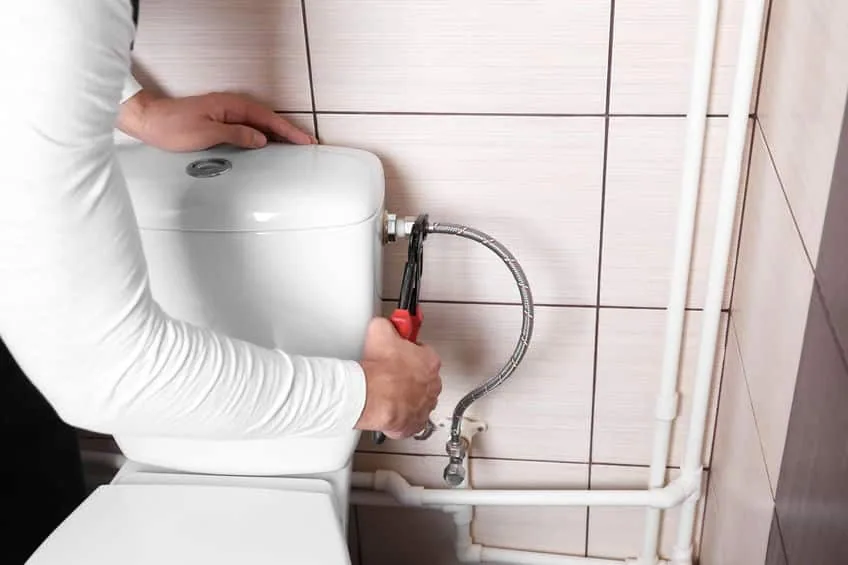
- Partially or fully closed shut-off valve. The isolation tap on the wall behind or below the toilet controls water supply to the cistern. If it’s been bumped during cleaning, partially turned, or seized from corrosion, it restricts or cuts water flow entirely.
- Low mains water pressure. If your toilet tank not filling with water coincides with weak flow at other taps, the issue is likely low mains pressure. This is more common in elevated suburbs like Stirling and Crafers, where gravity-fed supply can drop during peak demand.
- Cracked overflow tube. The overflow tube directs excess water into the bowl to prevent the tank from spilling. If it cracks below the waterline, water drains into the bowl before the cistern can fill fully.
How Adelaide’s Water Quality Affects Cistern Components
Adelaide’s water supply has characteristics that directly impact how long toilet components last. Understanding these helps explain why cistern parts fail sooner here than in cities with softer water:
Mineral Deposits and Scale Buildup
The River Murray’s dissolved mineral content leaves calcium and lime scale inside cisterns, fill valves, and float mechanisms. These deposits restrict moving parts, clog inlet screens, and progressively reduce water flow through the valve assembly.
Chlorine and Rubber Degradation
Treated mains water in Adelaide contains residual chlorine, which degrades rubber seals, washers, and diaphragms inside fill valves over time. Homes closer to treatment plants, including parts of Happy Valley, Hope Valley, and Modbury, may experience slightly faster rubber deterioration.
Sediment in Older Supply Pipes
Properties in established suburbs like Norwood, Prospect, and Goodwood often have original galvanised or copper supply lines that shed internal corrosion particles. These particles accumulate in the fill valve’s inlet screen, progressively restricting flow until the toilet won’t fill properly.
Signs Your Toilet Tank Needs Professional Attention
Some filling problems are straightforward to troubleshoot yourself. Others point to issues that require a licensed plumber:
- Tank takes more than two minutes to refill. A properly functioning cistern should refill within 60 to 90 seconds after flushing. Anything consistently longer suggests a worn, partially blocked, or failing fill valve.
- Water trickles constantly but the tank never fills. This usually means the flapper valve at the cistern base isn’t sealing, or the overflow tube is cracked. Water leaks into the bowl as fast as it enters the tank.
- Hissing or whistling from the cistern. A high-pitched sound during refilling often indicates a deteriorating fill valve diaphragm or debris caught in the valve assembly. This is common in Adelaide homes with older brass inlet valves.
- The shut-off valve is seized or won’t turn. Corrosion from Adelaide’s mineral-rich water can lock isolation taps in place. Forcing a seized valve risks cracking the fitting or supply line, which can cause a leak at the connection.
- Multiple toilets have filling issues. When more than one toilet basin is not filling properly, the problem likely sits with your mains water pressure or supply line rather than individual cistern components.
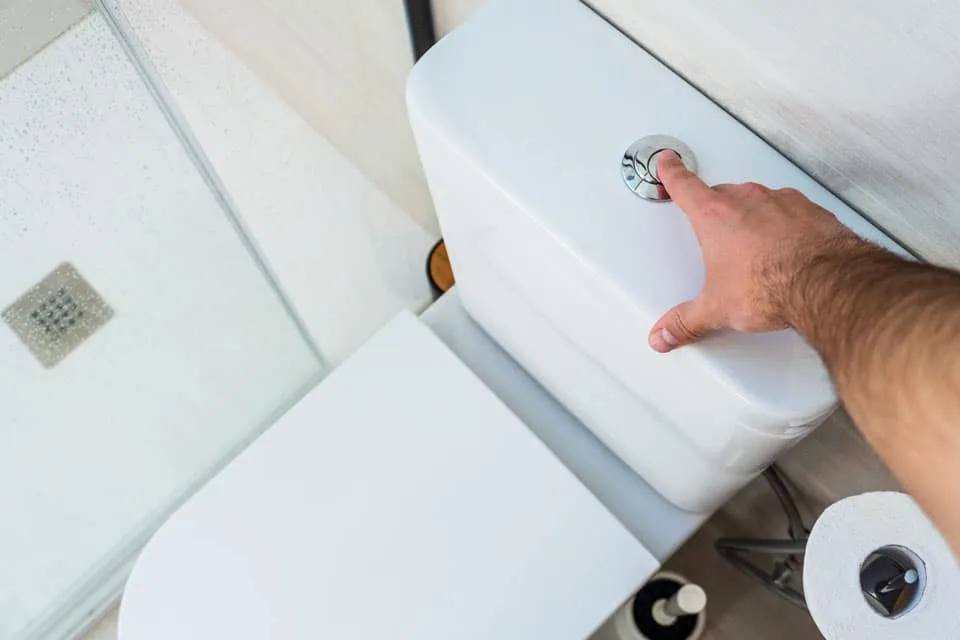
Troubleshooting a Toilet Not Filling With Water
Before calling a plumber, there are several safe checks you can run at home. These cover the most common causes and may resolve the problem without professional help:
Check the Shut-Off Valve
Locate the isolation tap on the wall behind or below the cistern. Make sure it’s fully open by turning it anticlockwise.
Inspect the Float Position
Lift the cistern lid and check whether the float moves freely along its track or rod. If it’s stuck or caught on another component, gently reposition it.
Clean the Fill Valve Inlet Screen
Many modern fill valves have a small filter screen where the supply line connects. Turn off the water, disconnect the line, and rinse the screen to clear sediment.
Test Water Pressure at Other Fixtures
Turn on the nearest bathroom and kitchen taps simultaneously. If flow is weak across the house, the issue is mains pressure rather than the toilet.
When to Call a Licensed Plumber
Some toilet tank filling problems need professional diagnosis and repair. Under SA plumbing regulations, work on water connections must be performed by a licensed plumber:
- The fill valve needs replacement. Incorrect installation can cause leaks or non-compliant plumbing. A licensed plumber ensures the part carries WaterMark certification and meets current Australian plumbing standards.
- The shut-off valve is seized or leaking. Replacing a corroded isolation tap involves working on the pressurised supply line. This requires isolating the main supply and is not a safe DIY task.
- You suspect low mains pressure. A plumber can test static pressure with a gauge and determine whether the issue is on your side of the meter or within the SA Water network.
- The cistern itself is cracked. Hairline cracks in ceramic cisterns aren’t repairable. The entire unit needs replacement with disconnection from both the supply and the pan.
How a Professional Diagnoses Toilet Tank Filling Faults
A qualified plumber follows a systematic approach to pinpoint exactly what’s preventing the tank from filling and applies the right fix:
Supply Line and Pressure Check
The plumber confirms the shut-off valve position and tests water pressure at the supply point. This immediately rules supply-side problems in or out.
Internal Cistern Inspection
With supply confirmed, the plumber checks the fill valve, float, flapper, and overflow tube for wear, scale, or damage. Most faults are identifiable within minutes once the lid is removed.
Component Replacement and Compliance
After diagnosis, the faulty part is replaced using WaterMark-certified components. Under SA regulations, plumbers must submit an electronic certificate of compliance (eCoC) within seven days of completing any plumbing work, and reputable providers back their repairs with a lifetime labour warranty.
Preventing Toilet Tank Filling Problems
Regular maintenance extends the life of cistern components and reduces the chance of unexpected failures:
- Inspect cistern internals annually. Lift the lid once a year and check for visible scale on the fill valve, float, and overflow tube. Catching buildup early prevents complete component failure.
- Replace rubber seals every five to seven years. Chlorine in Adelaide’s treated water degrades rubber faster than in softer-water cities. Proactive replacement of the fill valve diaphragm and flapper avoids sudden filling failures.
- Keep the shut-off valve operational. Turn the isolation tap on and off once a year to prevent it seizing from mineral deposits. If it feels stiff, have it replaced before it locks completely.
- Consider an inline supply filter. A small sediment filter on the supply line reduces particles reaching the fill valve. This is particularly worthwhile in homes with older galvanised pipes across suburbs like Mile End and Unley.
- Upgrade to a modern dual-flush cistern. Newer cisterns use corrosion-resistant polymer internals that handle Adelaide’s water quality better than older brass assemblies. Modern 4-star WELS-rated toilets also use as little as 3 litres per half flush.
Areas We Service
Our plumbing, gas fitting, and toilet repair services cover the entire Adelaide metropolitan area, including Adelaide CBD, Norwood, Burnside, Unley, Prospect, Goodwood, Mitcham, Stirling, Blackwood, West Lakes, Henley Beach, Salisbury, Mawson Lakes, Elizabeth, Golden Grove, Modbury, Morphett Vale, Noarlunga, Happy Valley, Mount Barker, Colonel Light Gardens, Magill, Crafers, Mile End, and Hope Valley.

Fix Your Toilet Tank Today
If your toilet tank is not filling with water and the basic checks haven’t solved it, don’t let it waste water or disrupt your household. Call Exceed Plumbing on 0456 461 354 for same-day diagnosis and repair across Adelaide. Fixed upfront pricing, no hidden costs, and all work backed by our workmanship guarantee. Available 24/7, including nights, weekends, and public holidays.
Frequently Asked Questions
Why is my toilet tank not filling with water after a flush?
The most common cause is a worn or clogged fill valve that can’t open properly. Other possibilities include a stuck float, a closed shut-off valve, or low mains water pressure.
Can I fix a toilet that’s not filling up with water myself?
Some fixes are safe to handle yourself, such as adjusting the float, cleaning the fill valve screen, or opening a partially closed shut-off valve. Replacing internal components or working on the pressurised supply line should be left to a licensed plumber.
How long should a toilet cistern take to refill?
A properly functioning cistern refills within 60 to 90 seconds. If it consistently takes longer, the fill valve is likely obstructed or failing. Adelaide’s mineral-rich water accelerates valve deterioration, so components may need earlier replacement.
Does low water pressure cause a toilet tank not to fill?
Yes. Low mains pressure means the fill valve can’t draw enough water to refill at a normal rate. This is more common in elevated suburbs across the Adelaide Hills and during peak summer demand.
How much does it cost to fix a toilet tank that won’t fill in Adelaide?
Simple repairs like replacing a fill valve or float mechanism typically cost between $150 and $300 including parts and labour. More complex work involving the supply line or cistern replacement costs more.
Why does my toilet bowl not fill with water after flushing?
If the bowl rather than the tank isn’t refilling, the cause is usually a partially blocked rim feed, a low tank water level, or a damaged fill tube. A plumber can inspect the internal pathways and clear any blockages.