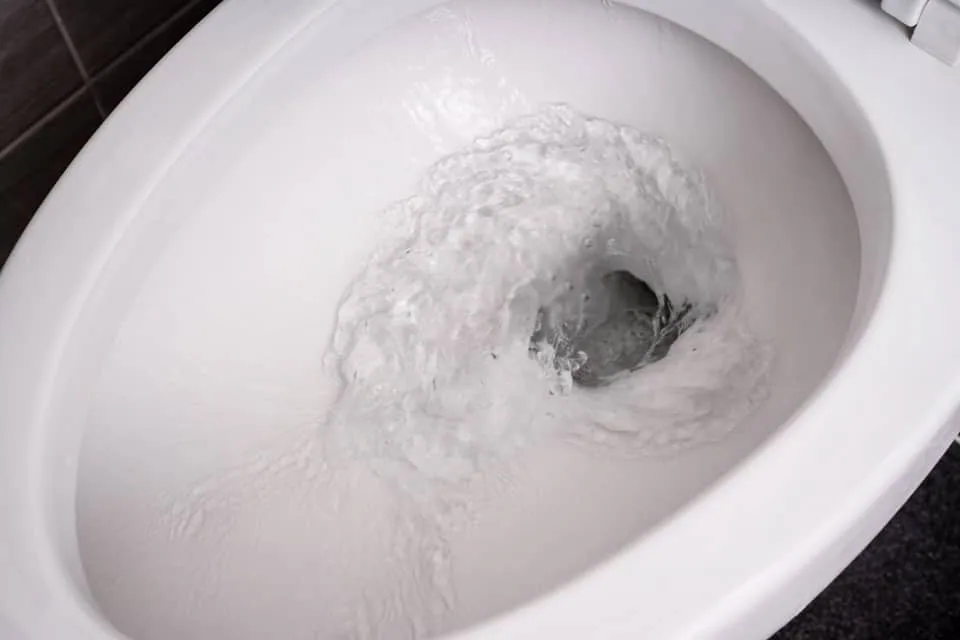

When toilet bowl water keeps running, the cause is usually a worn flush valve seal, a fill valve that will not shut off, or a stuck float mechanism. Fixing the faulty component promptly stops water waste and prevents further damage to the cistern internals.
A running toilet sounds minor, but in Adelaide’s dry climate every wasted litre matters. If your toilet bowl water keeps running after a flush or you hear water trickling at night, Exceed Plumbing can diagnose and repair the fault across Adelaide.
How Much Water a Running Toilet Actually Wastes
SA Water confirms that a running toilet cistern can waste up to 260 litres of water per day. Over a standard quarterly billing period, that adds up to roughly 23,400 litres you are paying for but never using.
A slightly degraded flush valve seal might lose 0.25 litres per minute, adding up to 360 litres per day. A stuck fill valve running at full flow can push losses well beyond 500 litres daily.
The Department for Environment and Water encourages all SA households to fix leaking toilets as a frontline conservation measure. SA Water spent over $2 million in one financial year managing waste in Adelaide’s sewer network, and repairing running toilet water issues is one of the most effective steps a homeowner can take.
What Causes a Toilet to Keep Running
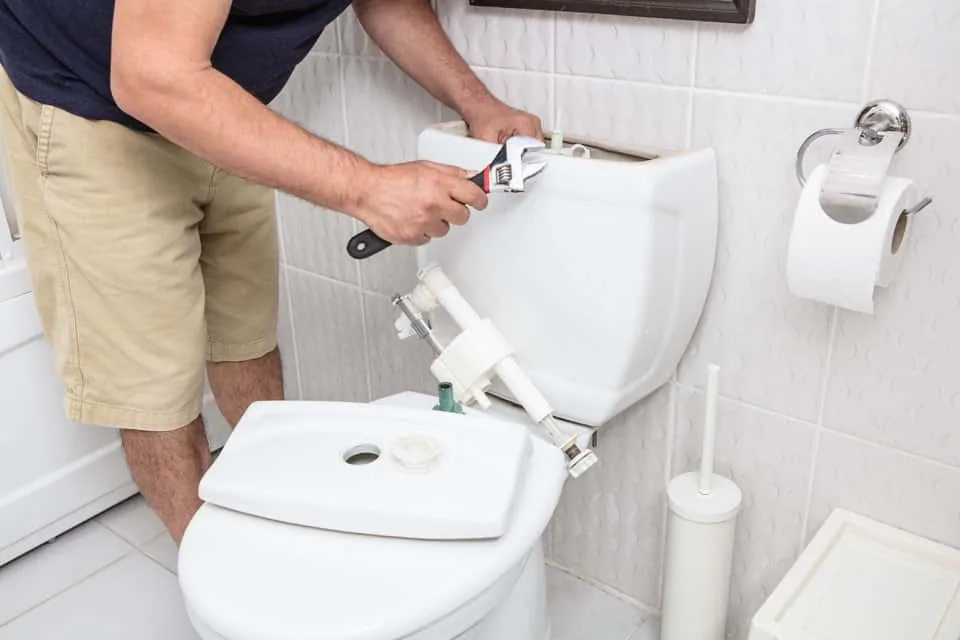
Every toilet cistern relies on a fill valve (lets water in) and a flush valve (releases water into the bowl). When either fails, water keeps running in toilet systems indefinitely. Here are the specific faults behind most cases:
Worn or Warped Flush Valve Seal
This rubber or silicone gasket between the cistern and bowl outlet hardens, warps, or collects mineral deposits over time. Adelaide’s moderate mineral content accelerates this degradation, and once the seal cannot close fully, water trickles continuously into the bowl.
Faulty or Clogged Fill Valve
When the fill valve fails, it either runs continuously or cycles on and off every few minutes. Sediment from Adelaide’s mains supply can lodge inside the valve and jam it open.
Misadjusted or Stuck Float
The float rises with the water level and signals the fill valve to close. If it is set too high or stuck from mineral buildup, it cannot reach the shut-off position and the commode keeps running without interruption.
Deteriorated Overflow Tube
The overflow tube acts as a safety drain, directing excess water into the bowl rather than onto the floor. If the tube cracks or sits too low relative to the water line, water drains through it constantly.
Damaged Flush Button or Push Rod Assembly
In dual-flush cisterns common across Adelaide, the push rods connecting the buttons to the flush valve can bend, stick, or lose their return spring tension. When a rod does not fully retract after flushing, it holds the flush valve partially open, letting the toilet bowl keeps running until the button is manually re-seated.
Signs That Your Toilet Is Running
A running toilet is not always obvious. Some leaks are silent and only show up on your water bill weeks later.
- Hearing water trickle when no one has flushed. This is the most recognisable sign that the cistern is refilling without being used. It is often easiest to notice late at night when background noise drops.
- The cistern refills on its own every few minutes. Known as phantom flushing, this happens when the flush valve seal leaks slowly and the fill valve tops up the cistern in cycles. You will often notice this most clearly at night when the house is quiet.
- Water ripples in the bowl when the toilet is idle. Even faint movement on the water surface indicates a steady trickle from the cistern. Watch the bowl for 30 seconds after the cistern has finished refilling to confirm.
- Staining or mineral streaks below the rim. Water running continuously leaves visible trail marks that normal flushing does not produce. These marks are caused by Adelaide’s mineral content depositing along the constant flow path.
- A higher than expected water bill. If your quarterly usage spikes without a change in household routine, a running toilet is one of the first things to check. Compare your current bill against previous quarters to spot the increase.
What Happens If You Ignore a Running Toilet
A small trickle might seem harmless, but the consequences compound over time.
- Escalating water bills. At 260 litres per day, a running toilet adds approximately 95,000 litres of waste over a full year to your SA Water account. That volume alone can double a typical Adelaide household’s annual toilet water usage.
- Premature wear on other cistern components. A fill valve that runs constantly wears out faster, and the overflow tube is under sustained pressure it was not designed to handle permanently. This cascading wear can turn a simple seal issue into a full cistern rebuild.
- Mould and moisture damage. Condensation from a constantly cycling cistern can accumulate on external surfaces, promoting mould growth on walls, cabinetry, and flooring near the toilet. Bathrooms without adequate ventilation are particularly susceptible.
- Wasted drinking water in a drought-prone state. Adelaide relies on the River Murray, Mount Lofty Ranges reservoirs, and the Adelaide Desalination Plant for its supply. Every litre wasted through a running toilet is a litre diverted from essential household and community use.
How to Diagnose a Running Toilet Yourself
Before calling a plumber, you can narrow down the cause with a few straightforward checks. These steps require no tools and no plumbing experience:
- Perform the food colouring test. Add four or five drops of food colouring to the cistern and wait 30 minutes without flushing. If coloured water appears in the bowl, the flush valve seal is leaking.
- Listen for the fill valve cycling. After a flush, the fill valve should run for 30 to 90 seconds and stop completely. If it keeps running or cycles on and off, the fill valve or float is the problem.
- Check the water level against the overflow tube. The water should sit roughly 20 mm below the overflow tube. If it is flowing into or over the tube, the float is set too high.
- Inspect the flush valve seal. With the cistern lid off, run your finger along the seal. If it feels rough, stiff, or has visible mineral crust, it needs cleaning or replacement.
- Test the float movement. Lift the float arm to its highest position and check whether the water stops. If it does, the float needs adjusting; if it does not, the fill valve has failed.
- Use your water meter to measure the loss. Turn off every tap and appliance, take a reading, wait two hours, and read again; any movement confirms a leak. SA Water’s guide to finding leaks on your property explains the full process.
Why Running Toilet Water Is More Common in Certain Adelaide Areas
Adelaide’s water quality, housing age, and plumbing infrastructure vary significantly by suburb. These differences directly influence how quickly cistern components degrade and how often homeowners experience a commode water keeps running situation:
- Hard water suburbs in the Adelaide Hills (Stirling, Crafers, Aldgate, Belair). Water from Mount Lofty Ranges reservoirs carries higher mineral concentrations that deposit limescale on valve seats and seals. Cistern internals here often need replacement two to three years sooner than properties on softer supply zones.
- Older suburbs with original plumbing (Colonel Light Gardens, Kensington, Walkerville, Medindie). Homes from the 1920s to 1950s may still have single-flush cisterns with brass float arms and rubber ball cocks well past their service life. These are among the most common sources of a continuously running toilet across Adelaide’s inner ring.
- Former Housing Trust suburbs (Elizabeth, Davoren Park, Hackham, Christie Downs). Many ex-government homes have builder-grade cistern components designed for a 10-to-15-year service life. Unrenovated properties frequently present with failed fill valves and perished seals that allow the toilet keeps running water continuously.
- Coastal suburbs with salt exposure (Grange, Henley Beach, Somerton Park, Seacliff). Airborne salt corrodes metal cistern fittings faster than inland suburbs. Push rod assemblies, brass connectors, and actuator springs all suffer accelerated wear, leading to stuck mechanisms and persistent running.
When to Call a Licensed Plumber
Some running toilet repairs are simple enough for a confident homeowner. However, certain situations require a licensed professional:
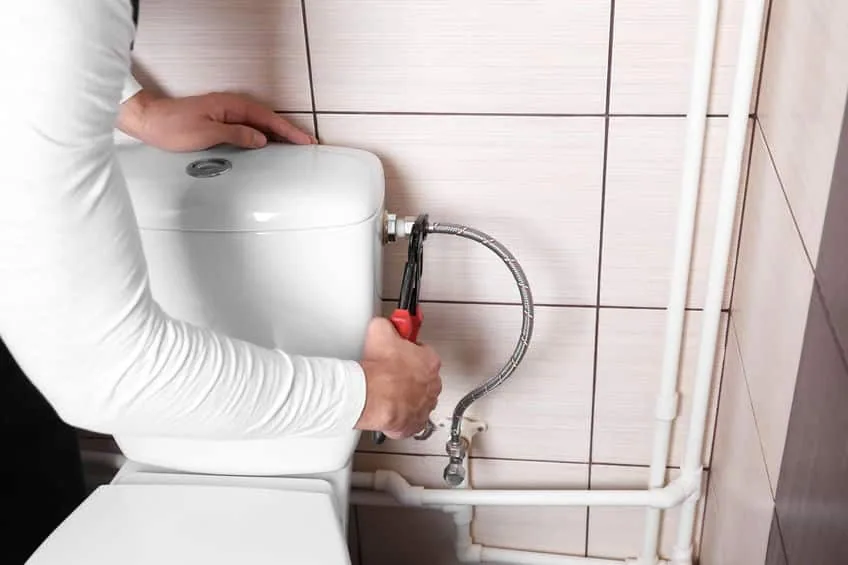
- The fill valve needs replacing. This involves disconnecting the water supply and working with compression fittings, which SA law requires a registered plumber to perform. The CBS licence categories guide outlines which work types require registration.
- The cistern is concealed inside the wall. In-wall cisterns require a plumber who understands concealed access and brand-specific components. DIY attempts on a concealed system risk damaging the wall cavity or cistern frame.
- Water damage is visible around the toilet. Staining, damp plasterboard, or soft flooring near the base may indicate a leak from the cistern outlet or supply line. A toilet repair assessment pinpoints the source before any unnecessary demolition.
- The toilet is old enough to warrant full replacement. If the cistern is over 20 years old, individual repairs become a cycle of diminishing returns. Our blocked toilet service covers removal, supply, and fit-out of a modern dual-flush system.
- You have already attempted a repair that did not work. If the running stops temporarily but returns within days, the component has failed beyond adjustment. A licensed plumber carries the diagnostic tools and parts to resolve it permanently.
What a Professional Repair Involves
A licensed plumber follows a systematic process to fix a running toilet efficiently:
Isolating and Inspecting
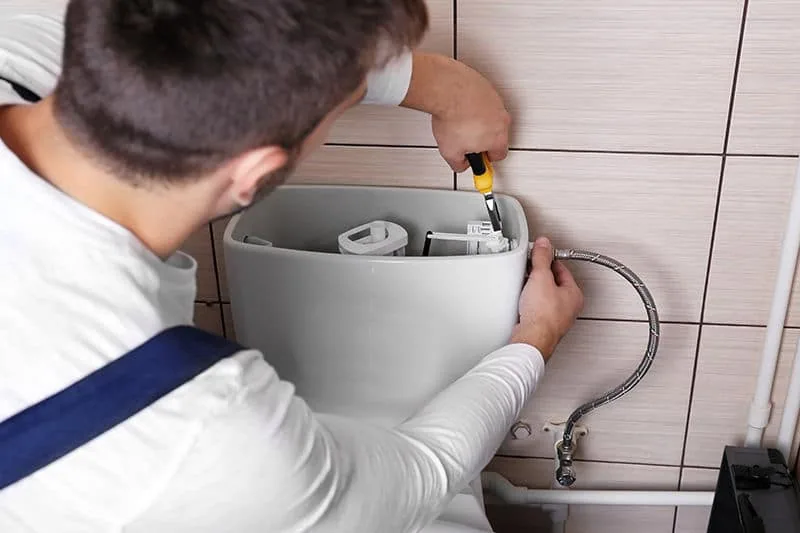
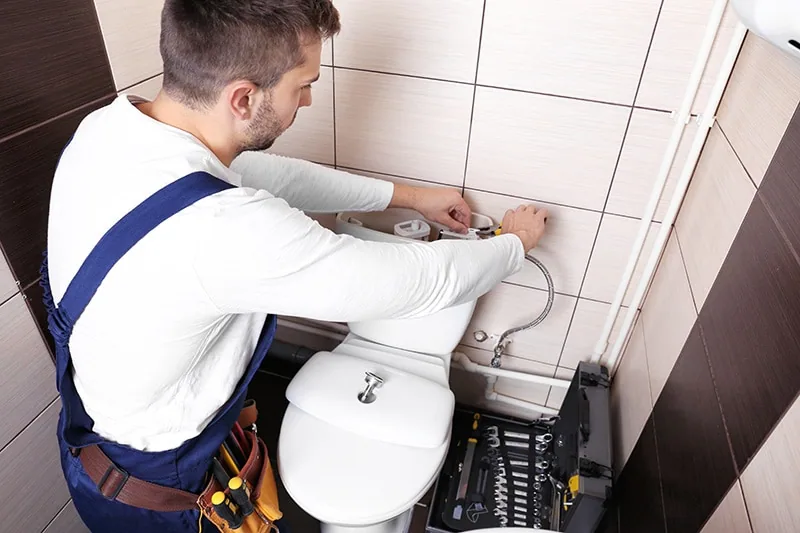
The plumber shuts off the supply, flushes the cistern to empty it, and inspects the flush valve seal, fill valve, float, overflow tube, and push rod assembly. This takes five to ten minutes and provides a clear diagnosis.
Replacing the Failed Component
Flush valve seals and inlet washers are the most commonly replaced parts and are carried on every call-out. Fill valve replacements take slightly longer but are still completed within 30 minutes.
Testing and Adjusting
After replacement, the plumber turns the supply back on, watches the cistern fill, and runs multiple flush cycles to confirm the running has stopped. They adjust the float height if necessary and verify there is no residual trickle.
Issuing Compliance Documentation
All regulated plumbing work in South Australia requires an electronic certificate of compliance. This confirms the repair meets the Plumbing Code of Australia.
How to Prevent Your Toilet From Running Again
A running toilet is rarely a sudden failure. Understanding why toilet bowl water keeps running helps you catch the early signs before a small trickle becomes a full-flow waste problem:
- Inspect cistern internals once a year. Lift the lid and check the flush valve seal for stiffness or discolouration. This two-minute check is the most effective prevention measure.
- Clean the flush valve seat with white vinegar annually. Adelaide’s mineral-rich water deposits scale on the valve seat that prevents the seal from closing. A vinegar-dampened cloth removes the buildup without damaging rubber.
- Replace the flush valve seal every five to seven years. Rubber degrades with age and chlorinated water exposure. Proactive replacement before failure eliminates the risk of undetected running between inspections.
- Do not use chemical cistern cleaners. Drop-in bleach tablets corrode rubber seals, plastic floats, and valve diaphragms. They accelerate the very failures they claim to prevent.
- Upgrade single-flush toilets to dual-flush. Older single-flush systems use up to 11 litres per flush versus 4.5 litres on a modern dual-flush. The upgrade eliminates aging components and cuts daily water use significantly.
Areas We Service
We repair running toilets across all Adelaide metropolitan suburbs and surrounding areas including Adelaide CBD, North Adelaide, Stirling, Crafers, Aldgate, Belair, Colonel Light Gardens, Kensington, Walkerville, Medindie, Elizabeth, Davoren Park, Hackham, Christie Downs, Grange, Henley Beach, Somerton Park, Seacliff, Prospect, Norwood, Unley, Burnside, Mitcham, Salisbury, Mawson Lakes, Golden Grove, and surrounding suburbs throughout Greater Adelaide. Whether your commode keeps running in a character home or a modern apartment, our licensed plumbers carry the parts and experience to fix it on the spot.

Stop the Waste When Your Toilet Bowl Water Keeps Running
A running toilet is one of the easiest problems to fix and one of the costliest to ignore. Exceed Plumbing provides same-day diagnosis and repair across Adelaide, so call us or book an emergency appointment to stop the waste.
Frequently Asked Questions
How can I tell if my toilet is running when I cannot hear it?
Add food colouring to the cistern and wait 30 minutes without flushing; if colour appears in the bowl, the flush valve seal is leaking. You can also compare water meter readings before bed and in the morning to confirm a hidden leak.
Will a running toilet increase my water bill?
Yes, a running toilet can waste up to 260 litres per day, adding roughly 23,400 litres to a quarterly bill. SA Water may provide a partial leakage allowance once the repair is confirmed.
Can I fix a running toilet myself?
You can adjust the float, clean the flush valve seal, and check the overflow tube without professional help. However, replacing the fill valve or any component connected to the water supply line is regulated plumbing work in South Australia and must be carried out by a registered plumber.
How long does a professional repair take?
Most running toilet repairs are completed within 20 to 45 minutes, covering isolation, part replacement, and testing. Full cistern replacements take 60 to 90 minutes including removal of the old unit.
Does a running toilet mean I need a new toilet?
Not usually, as the problem is typically a single worn component such as a seal, valve, or float. Full replacement is only recommended when the cistern is severely aged, cracked, or when compatible parts are no longer available.
Is a running toilet an emergency?
A constantly running toilet is not a burst-pipe emergency, but it should be treated as urgent. Turn off the isolating valve behind the toilet to stop waste until a plumber attends.