
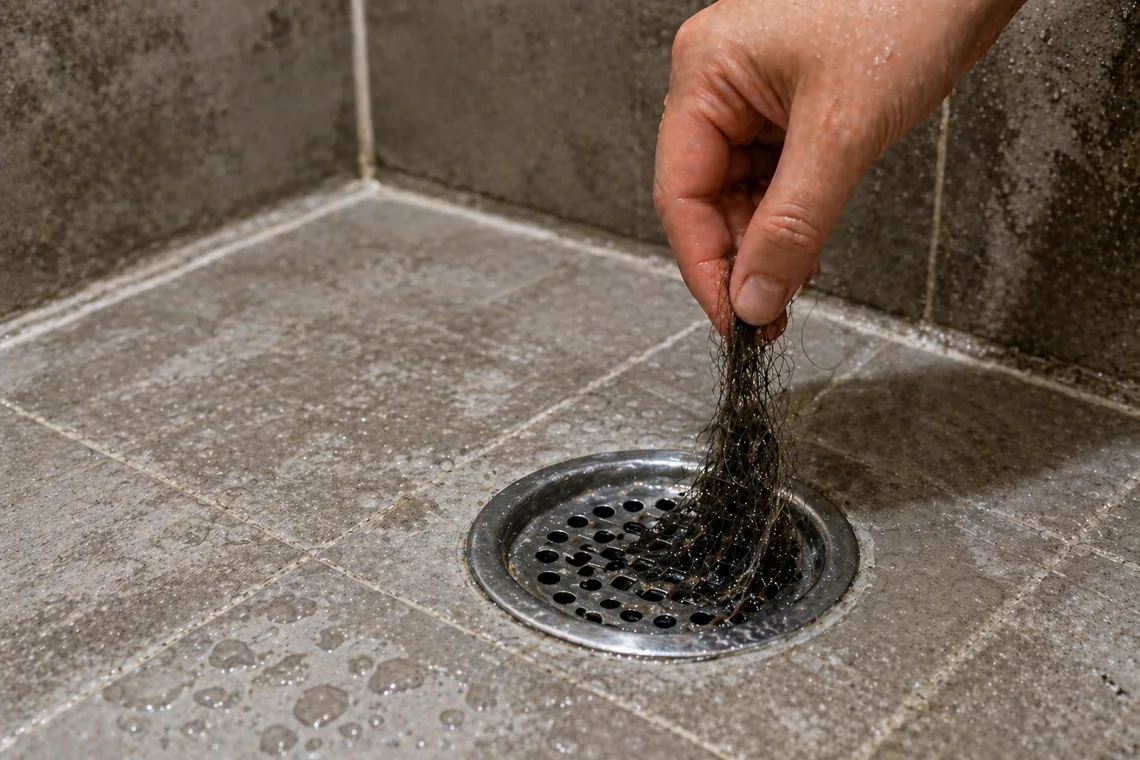
A clogged shower drain is almost always caused by a combination of hair, soap scum, and body oils that accumulate inside the drain pipe and P-trap over weeks or months. The buildup gradually restricts water flow until the drain slows to a stop.
Adelaide homes with older clay drainage pipes face additional risks from tree root intrusion, while all homes deal with the same hair and soap buildup over time. Exceed Plumbing clears blocked shower drains across the entire Adelaide metropolitan area. This guide covers the common causes, safe DIY clearing methods, what to avoid, when to call a licensed plumber, and how to keep your shower draining freely.
Why Shower Drains Clog More Often Than Other Drains
Showers channel a unique combination of hair, body oils, soap residue, shampoo, conditioner, and skin cells directly into a relatively narrow waste pipe. That mix creates blockages faster than almost any other drain in your home.
I have been clearing blocked drains across Adelaide for years, and shower drains are consistently the most common callout. The good news is that most shower blockages are preventable, and many can be cleared without professional help if you catch them early.
According to SA Water, unflushable items and preventable buildup caused more than 3,500 blockages across metropolitan Adelaide in 2022 to 2023. While most of those involve sewer mains, the same principle applies to your shower waste. What goes down the drain matters.
Under Australian Standards, current shower waste pipes should be a minimum of 50mm in diameter. Many older Adelaide homes built before the 1980s have 40mm shower waste pipes, which offer less tolerance for buildup before a blockage forms.
Common Causes of a Clogged Shower Drain
Most shower drain blockages come down to one or more of these causes:
- Hair buildup: The number one cause. Hair binds with soap residue and body oils to form dense mats that restrict water flow. Long hair creates larger tangles, but even short hair accumulates over time. Households with multiple people showering daily face faster buildup.
- Soap scum and product residue: Traditional bar soaps contain fats that react with minerals in the water to form a sticky film. Shampoo, conditioner, and body wash residues coat pipe walls and bind with hair. Over time, this narrowing restricts flow before creating a full blockage.
- Biofilm (bacterial slime): Warm, moist drain environments encourage bacterial growth. Biofilm is a slimy layer that coats the inside of drain pipes, trapping hair and debris. It produces a foul smell and accelerates blockage formation. Regular cleaning is the only way to control it.
- Mineral deposits from hard water: Adelaide’s water supply is partly sourced from the Murray River and carries variable mineral content. Calcium and magnesium deposits form scale inside pipes, narrowing the internal diameter and creating rough surfaces that trap hair and soap more readily.
- Tree root intrusion: Roots penetrate cracks or joints in underground drain pipes seeking moisture. This is especially common in Adelaide’s tree-lined suburbs like Burnside, Unley, Norwood, and Mitcham, where mature trees meet ageing clay sewer pipes from the 1950s to 1970s. Root intrusion causes recurring blockages that DIY methods cannot resolve.
- Foreign objects: Razor caps, shampoo lids, cotton buds, hair ties, and children’s bath toys can fall into the drain and create an obstruction point that catches other debris. These blockages often need physical removal.
- Construction debris or damaged pipes: In newer Adelaide developments like Mawson Lakes, Mount Barker, and Paralowie, construction sand, cement residue, or poorly installed pipe joints can cause early blockages. In older homes, cracked or collapsed clay pipes restrict flow and catch debris. A CCTV drain camera inspection is the only way to identify these structural issues.
Quick Reference: Common Causes at a Glance
| Cause | How It Blocks | DIY Fixable? |
| Hair buildup | Forms mats that trap soap and oils | Yes, if near surface |
| Soap scum | Coats pipe walls, narrows diameter | Yes, with cleaning |
| Biofilm | Slimy bacterial layer traps debris | Yes, with regular flushing |
| Mineral deposits | Hard scale narrows pipes | Partially |
| Tree root intrusion | Roots grow into pipe joints | No |
| Foreign objects | Physical obstruction | Sometimes |
| Damaged pipes | Structural restriction | No |
If your blockage keeps returning despite clearing, Exceed Plumbing can run a CCTV drain camera inspection to find the root cause without excavation.
How to Safely Clear a Clogged Shower Drain
Most surface-level shower drain clogs can be cleared with basic tools and safe methods. The approach matters because the wrong method can damage your pipes:
Remove the Drain Grate and Pull Out Visible Debris
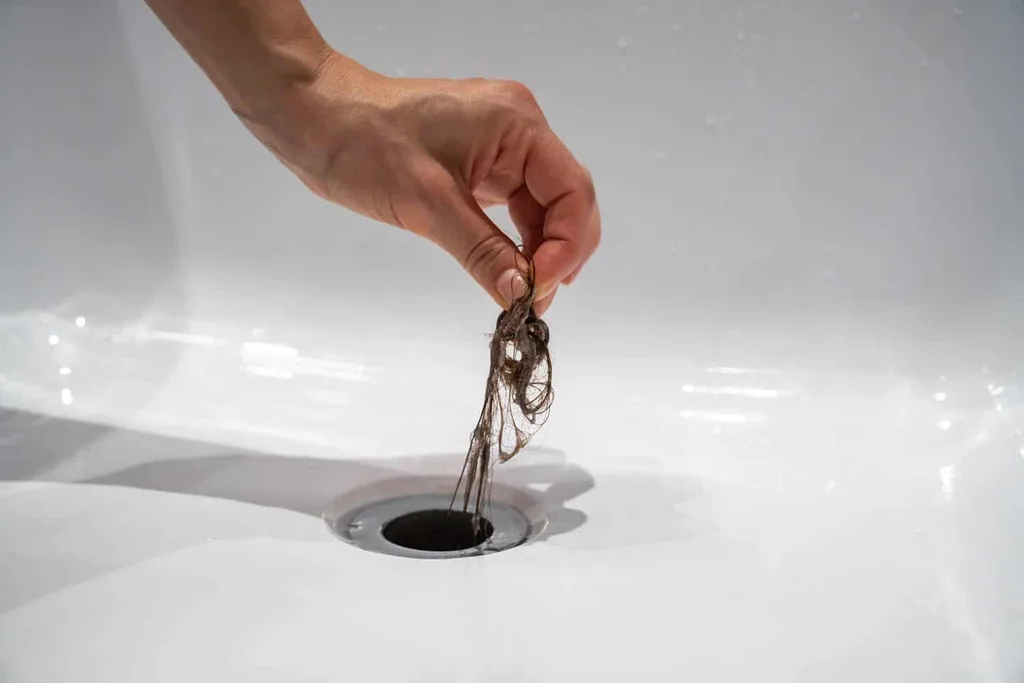
Start by removing the drain cover or grate. Most unscrew or pop out. Wear gloves and use needle-nose pliers or a bent wire to pull out accumulated hair and gunk from the top of the drain. This alone resolves many minor blockages. Dispose of debris in the bin; never back down the drain.
Flush with Hot Tap Water
Run hot tap water down the drain for two to three minutes to dissolve soap scum and loosen remaining debris. Avoid pouring boiling water directly into the drain if you have PVC pipes. Water above 80°C can soften or warp PVC joints. Hot tap water at around 60°C is effective and safe for all pipe types.
Use Baking Soda and Vinegar
Pour half a cup of baking soda into the drain, followed by half a cup of white vinegar. The fizzing reaction breaks down soap scum and biofilm. Cover the drain and wait 20 to 30 minutes, then flush with hot tap water. This natural method is safe for both PVC and clay pipes and can be repeated monthly as maintenance.
Try a Drain Snake or Plumber’s Auger
A drain snake is a flexible metal or plastic tool that reaches deeper into the pipe. Insert it into the drain and twist to hook the blockage. Pull the debris out slowly. This is the most effective DIY method for hair clogs lodged in the P-trap or further down the waste pipe. Available from hardware stores for under $20.
Use a Plunger
A cup plunger with a flat bottom works on shower drains. Remove the drain cover, add enough water to cover the plunger’s rim, and plunge with short, firm strokes. The hydraulic pressure can dislodge blockages in the P-trap. Less effective for deeper clogs, but worth trying before escalating.
Dish Soap and Hot Water for Greasy Buildup
Pour a quarter cup of liquid dish soap into the drain and wait 10 to 15 minutes. Follow with hot tap water. Dish soap breaks down fats and oils, making it effective against soap scum and body oil buildup. Safe for all pipe types.
What to Avoid When Clearing a Shower Drain
Some common methods cause more damage than the original clog. Here is what to stay away from:
- Chemical drain cleaners: Supermarket drain cleaners containing caustic soda or sulfuric acid corrode PVC pipe joints and deteriorate clay pipes over time. The heat generated by the chemical reaction can soften plastic fittings. They also create toxic fumes in enclosed bathrooms. If the chemicals do not clear the clog completely, they sit in the pipe and continue doing damage. Licensed plumbers consistently advise against them.
- Boiling water in PVC pipes: Many DIY guides recommend pouring boiling water down the drain. While this works for metal pipes, water above 80°C can soften PVC joints and cause them to warp, separate, or leak. Most Adelaide homes built after the 1970s have PVC drainage. Hot tap water is the safer alternative.
- Wire coat hangers: A straightened wire hanger can scratch the internal lining of PVC pipes, creating rough surfaces that trap more debris and accelerate future blockages. The sharp end can also puncture joints or push blockages further down rather than removing them. Use a purpose-built drain snake instead.
- Excessive force with a plunger: Plunging too aggressively can crack old clay pipe joints or dislodge PVC fittings. Use firm but controlled strokes. If plunging does not shift the blockage after 15 to 20 attempts, stop and call a licensed plumber rather than risking pipe damage.
Safe vs Risky Methods at a Glance
| Method | Safe for PVC? | Safe for Clay? | Effectiveness |
| Hair removal by hand | Yes | Yes | High for surface clogs |
| Hot tap water flush | Yes | Yes | Moderate |
| Baking soda and vinegar | Yes | Yes | Moderate |
| Drain snake | Yes (gentle use) | Yes (gentle use) | High |
| Chemical drain cleaner | No | No | Temporary, damages pipes |
| Boiling water | No (softens PVC) | Yes | Moderate |
| Wire coat hanger | No (scratches PVC) | Risky | Low |
When a Clogged Shower Drain Needs a Licensed Plumber
Not every blockage is a DIY fix. Here are the signs you need professional help:
The Blockage Returns Within Days or Weeks
Recurring clogs after DIY clearing usually mean the obstruction is deeper in the pipe or the pipe itself is damaged. Tree root intrusion, cracked pipes, and heavy mineral scale require professional tools. Repeated DIY attempts without fixing the root cause can worsen the problem.
Multiple Drains Are Slow or Blocked at the Same Time
If the shower, bathroom sink, and toilet all drain slowly, the blockage is in the shared branch line or sewer main, not the individual shower drain. SA Water advises homeowners to contact a licensed plumber to determine whether the blockage is on private property or in the SA Water sewer main.
You Notice Foul Smells or Water Backing Up
Persistent sewer odour from the shower drain indicates organic matter decomposing in the pipe. Water backing up through the shower drain when the toilet is flushed signals a main line issue. Both are signs that the blockage has progressed beyond what DIY methods can resolve.
What a Licensed Plumber Will Do
A qualified plumber will run a CCTV drain camera to locate the exact blockage and assess the pipe condition. They will hydrojet the line using high-pressure water to clear buildup, biofilm, and tree roots without damaging the pipe. For cracked or root-damaged sections, pipe relining or replacement may be needed. In South Australia, all plumbing work must be performed by a licensed plumber under the Plumbers, Gas Fitters and Electricians Act 1995. A certificate of compliance (eCoC) must be issued within seven days, as outlined by the SA Office of the Technical Regulator.
When choosing a plumber for drain clearing, look for a current SA licence, experience with CCTV diagnostics and hydrojetting, transparent upfront pricing, and a written warranty on all work completed.
Recently, the team and I had the opportunity to help a homeowner in Adelaide with a persistent shower drain blockage. After running a CCTV inspection and hydrojetting the line, we had the drains flowing freely the same day.
Jacqueline Hilfy shared this feedback: “Caleb did an amazing job fixing my shower drains. He was professional, punctual, and fixed my shower drains quickly and efficiently. The quality of work was outstanding, and he left everything clean and tidy. Highly recommend his services!”
At Exceed Plumbing, this is what we work toward on every job: getting the problem fixed properly so you don’t have to think about your drains again.
Why Shower Drain Clogs Are More Common in Adelaide
Adelaide’s climate, housing stock, and infrastructure create conditions that make shower drain blockages more frequent:
- Ageing clay pipes in older suburbs: Burnside, Unley, Norwood, Goodwood, and Mitcham have housing from the 1950s to 1970s with original clay drainage pipes. Clay pipes have joints every 300mm to 600mm, and over decades, these joints crack and shift, allowing root entry. Even small root intrusions catch hair and soap, creating blockages that return within weeks of clearing.
- Mature tree canopies accelerate root intrusion: Adelaide’s tree-lined inner suburbs are particularly affected. Established trees in Burnside, Stirling, and Unley have root systems that extend well beyond the canopy, seeking moisture in underground drain pipes. Root intrusion is the leading cause of recurring shower drain blockages in homes older than 30 years.
- Adelaide’s variable water hardness: Adelaide’s water supply draws from a mix of reservoirs and the Murray River. During drier periods when Murray River water makes up a larger share, mineral content increases. Higher mineral loads mean faster scale buildup inside pipes, narrowing the internal diameter and trapping debris more readily.
- Narrower pipe diameters in older homes: Many Adelaide homes built before the 1980s have 40mm shower waste pipes. Current Australian plumbing standards specify a minimum of 50 mm for shower wastes. The smaller diameter means less tolerance for buildup before a blockage forms.
- SA Water’s 9,000 km sewer network: When a blockage sits at the junction between private plumbing and the SA Water main, responsibility can be unclear. SA Water advises calling 1300 729 283 to report sewer issues. If the blockage is on your property, between the house and the boundary connection point, a licensed plumber is needed.

How to Prevent Your Shower Drain from Clogging
Prevention is significantly cheaper and easier than clearing a full blockage. These habits keep your shower draining freely:
Install a Hair Catcher or Drain Strainer
The single most effective prevention measure. A fine-mesh hair catcher sits over or inside the drain grate and traps hair before it enters the pipe. Clean it after every shower. Available for under $10 from any hardware store.
Flush the Drain with Hot Water Weekly
Run hot tap water down the shower drain for two minutes once a week. This dissolves soap residue and prevents biofilm from taking hold. For extra cleaning power, add a quarter cup of dish soap before the flush.
Use Baking Soda and Vinegar Monthly
A monthly maintenance flush prevents buildup from reaching the blockage level. Half a cup of each, left for 20 minutes, followed by hot tap water. Safe for all pipe types and eliminates odour-causing biofilm.
Brush Hair Before Showering
Brushing or combing hair before stepping into the shower removes loose strands that would otherwise wash down the drain. Especially effective for households with long hair.
Schedule Professional Drain Cleaning Every 12 to 24 Months
For homes with older clay pipes, established trees, or a history of recurring blockages, professional drain cleaning is a worthwhile investment. At Exceed Plumbing, we use hydrojet equipment to clear scale, root growth, and buildup that DIY methods cannot reach. We recommend a CCTV inspection every two to three years for properties in high-risk suburbs. Proactive maintenance costs a fraction of emergency callouts and pipe replacement.
Can a Clogged Shower Drain Cause Bigger Problems?
A blocked shower drain left unresolved can lead to water damage, health risks, and costly plumbing repairs:
- Water damage to floors and walls: Standing water from a blocked drain seeps into grout, silicone seals, and subfloor materials. Over time, this causes tile lifting, timber rot, and mould growth behind walls. According to the Insurance Council of Australia, blocked drains contribute to a significant portion of water-related home insurance claims each year.
- Mould and bacterial growth: Stagnant water and decomposing organic matter create conditions for mould and bacteria. Mould behind shower walls can trigger respiratory issues, especially in children, elderly residents, and those with asthma. The longer the blockage sits, the worse the contamination.
- Sewer gas exposure: A severely blocked drain can displace the water seal in the P-trap, allowing sewer gas containing hydrogen sulfide and methane to escape into the bathroom. Low-level exposure causes headaches and nausea. The SA EPA provides guidance on wastewater and stormwater systems in South Australia.
- Pipe damage from prolonged blockages: Ongoing pressure from backed-up water can crack pipe joints, especially in ageing clay drainage. Tree roots that initially cause minor blockages grow and expand cracks over time, eventually causing pipe collapse. Early professional intervention prevents minor clogs from becoming major emergencies.

Adelaide Suburbs We Service
Exceed Plumbing clears blocked shower drains across the entire Adelaide metropolitan area. We cover Salisbury, Mawson Lakes, Morphett Vale, Norwood, Goodwood, Linden Park, Modbury, West Lakes, Fulham Gardens, Mount Barker, Blackwood, Paralowie, Elizabeth, Golden Grove, Noarlunga, Happy Valley, Prospect, Colonel Light Gardens, Magill, Burnside, West Beach, Stirling, Mitcham, and every suburb in between. We aim to reach you within the hour, 24/7.
Clear That Blocked Shower Drain Today
If your shower drain is still blocked after trying the safe methods in this guide, or the blockage keeps coming back, it is time for a professional diagnosis. Recurring clogs usually point to a deeper issue that only CCTV inspection and hydrojetting can resolve properly.
Call Exceed Plumbing on 0456 461 354 for same-day blocked drain clearing across Adelaide.
- 24/7 service, aiming to reach you within the hour
- Fixed upfront pricing, no surprises
- Fully licensed and insured (Licence #333997)
- Guaranteed workmanship on every job
Frequently Asked Questions
What causes a shower drain to clog?
Hair, soap scum, body oils, and biofilm are the most common causes. In Adelaide’s older suburbs, tree root intrusion into clay pipes is another frequent factor. Mineral deposits from hard water also contribute over time, narrowing the internal pipe diameter.
How do you unclog a shower drain without chemicals?
Remove the drain grate and pull out visible hair. Flush with hot tap water (not boiling if you have PVC pipes). Use baking soda and vinegar for soap buildup. A drain snake reaches deeper clogs in the P-trap. These methods are safe for both PVC and clay pipes.
Can hair really clog a shower drain?
Yes. Hair is the number one cause of shower drain blockages. It binds with soap residue and body oils to form dense mats inside the pipe. A hair catcher installed over the drain grate prevents most hair from entering and costs under $10 from any hardware store.
Are chemical drain cleaners safe for shower pipes?
Most licensed plumbers advise against them. Chemical cleaners containing caustic soda or sulfuric acid corrode PVC joints and deteriorate clay pipes. The heat they generate can soften plastic fittings. Natural methods and mechanical tools like drain snakes are safer long-term alternatives.
When should I call a plumber for a clogged shower drain?
If DIY methods do not clear the blockage, if the clog returns within days or weeks, if multiple drains are slow at once, or if you notice foul smells or water backing up. In South Australia, all plumbing work must be done by a licensed plumber under the Plumbers, Gas Fitters and Electricians Act 1995.
How do I prevent my shower drain from clogging?
Install a hair catcher and clean it after every shower. Flush the drain with hot tap water weekly. Use baking soda and vinegar monthly. For older Adelaide homes with clay pipes, schedule professional drain cleaning every 12 to 24 months to clear root growth and scale.