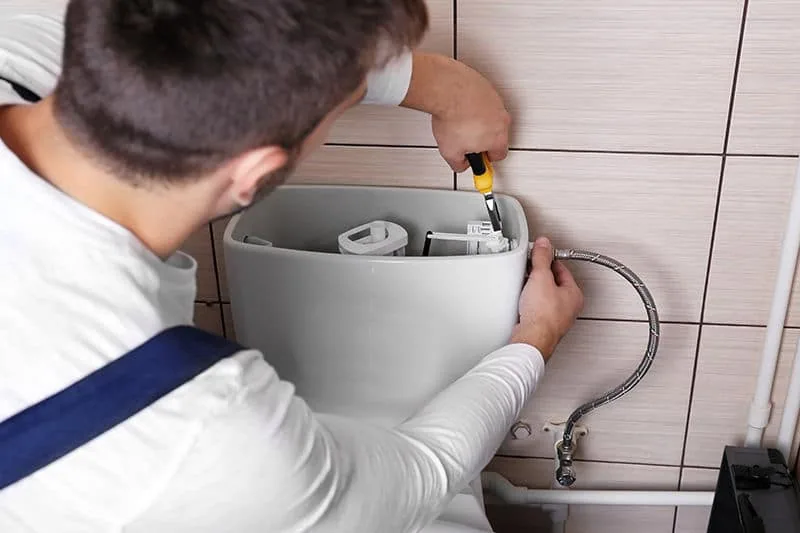

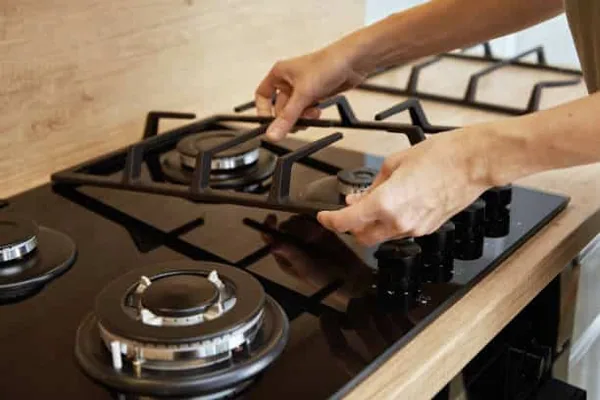
The most common signs of a gas leak are a strong rotten egg or sulphur smell, a hissing or whistling sound near gas lines or appliances, dead or dying plants near gas pipes, physical symptoms like headaches and dizziness, and an unexplained increase in your gas bill. If you suspect a gas leak, leave the property immediately and call the experts.
Gas leaks are one of the most dangerous household emergencies. In South Australia, natural gas is distributed by Australian Gas Networks and is used in thousands of Adelaide homes for cooking, heating, and hot water. Servicing homes across the Adelaide metropolitan area, Exceed Plumbing provides licensed gas fitting services, including leak detection, gas appliance repairs, and gas line inspections. This guide covers how to recognise a gas leak, what to do if you suspect one, who to call, and how to prevent gas leaks in your home.
Why Gas Leaks Are Dangerous
A gas leak allows natural gas or LPG to escape from pipes, connections, or appliances into your home or the surrounding environment. Natural gas is highly flammable, and even a small spark from a light switch, phone, or appliance can ignite it.
I have attended gas leak callouts across Adelaide where homeowners had been living with a slow leak for days without realising it. The risk is real. In one well-documented incident, a gas leak under the floorboards of a home in Goodwood, South Australia, caused an explosion that lifted the entire roof off the walls. The Master Plumbers Association of South Australia cited this case as a reminder of how quickly a leak can escalate.
Beyond fire and explosion risk, gas leaks also produce carbon monoxide when gas appliances burn fuel incompletely. Carbon monoxide is colourless and odourless, making it undetectable without a specific alarm. Prolonged exposure causes headaches, confusion, unconsciousness, and in severe cases, death. Under South Australian law, only a licensed gas fitter can legally install, maintain, or repair gas appliances and gas lines.
The Most Common Signs of a Gas Leak
Gas leaks give warning signs across multiple senses. Knowing what to look for, listen to, and feel helps you catch a leak early before it becomes a crisis:
Rotten Egg or Sulphur Smell
Natural gas is odourless in its raw state. Australian gas distributors, including Australian Gas Networks in South Australia, add a chemical called mercaptan to give gas a distinct rotten egg smell. This is your first and most reliable warning. If you smell rotten eggs anywhere in or around your home, especially near gas appliances, the gas meter, or along gas lines, treat it as a potential gas leak immediately.
Hissing or Whistling Sound
A hissing, whistling, or low roaring sound near gas pipes, connections, or appliances indicates gas escaping under pressure. The sound occurs when pressurised gas forces through a crack, a loose fitting, or a hole. Larger leaks produce louder sounds. Even a faint hiss near a gas connection should be investigated by a licensed gas fitter.
Dead or Dying Plants
Gas escaping from underground lines displaces oxygen in the soil, suffocating plant roots. A patch of dead or yellowing plants directly above or near a gas line is a strong indicator of a leak below ground. This sign is especially useful for identifying leaks in buried gas lines that may not produce a detectable smell at ground level.
Physical Symptoms in Household Members
Gas leaks displace oxygen in enclosed spaces and can cause a range of physical symptoms in people and pets exposed over time. Watch for headaches, dizziness, nausea, fatigue, breathing difficulties, and confusion. The key difference between gas exposure symptoms and a cold or flu is that gas symptoms improve when you leave the house and return when you come home.
Unusually High Gas Bill
A sudden, unexplained increase in your gas bill without a change in usage habits can indicate gas escaping from a leak. Even a small leak loses gas volume continuously, and the cost shows up on your next bill.
Yellow or Orange Pilot Light or Burner Flame
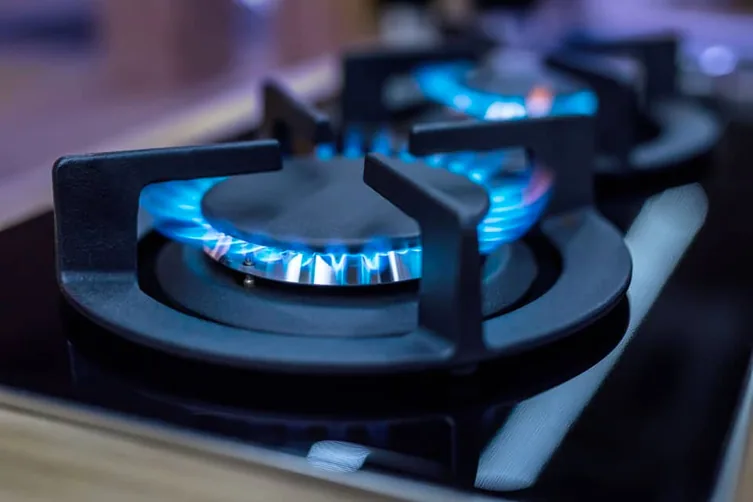
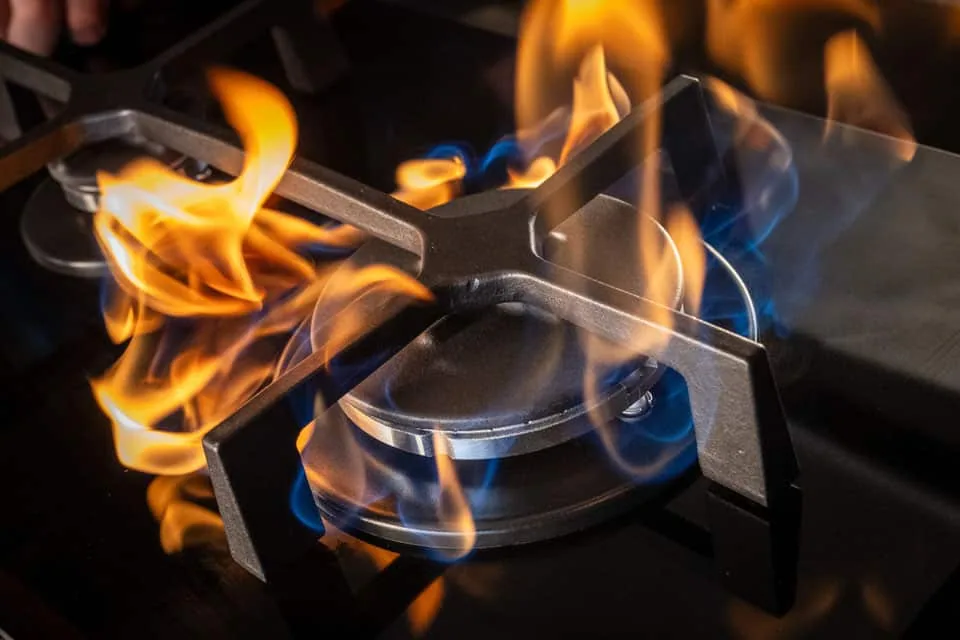
A healthy gas flame burns blue. If the flame on your cooktop, heater, or hot water system is yellow, orange, or red, the gas is not burning completely. This indicates either a gas supply issue or inadequate ventilation, both of which can lead to carbon monoxide production. A consistently yellow flame requires immediate inspection by a licensed gas fitter.
Bubbling in Water or Wet Areas
If gas is leaking from an underground pipe near standing water, puddles, or wet soil, you may see persistent bubbling at the surface. This visual sign is especially valuable for identifying external or buried gas line leaks.
Quick Reference: Signs of a Gas Leak
| Sign | Sense | Location | Urgency |
| Rotten egg smell | Smell | Near appliances, meter, or lines | Emergency |
| Hissing or whistling | Sound | Near connections or pipes | Emergency |
| Dead vegetation | Sight | Above underground gas lines | High |
| Headaches, dizziness, nausea | Physical | Inside the home | Emergency |
| Spike in gas bill | Financial | Bill review | Medium |
| Yellow or orange flame | Sight | Cooktop, heater, hot water | High |
| Bubbling in water/wet ground | Sight | Near external gas lines | High |
More: Why Is My Hot Water Not Working but Cold Water Is?
What to Do If You Suspect a Gas Leak
If you notice any of the signs above, act immediately. Gas leaks can escalate within minutes, and the correct response can prevent injury, property damage, and loss of life:
Leave the Property Immediately
Do not stay to investigate. Evacuate everyone in the household, including pets. Open doors and windows as you leave to ventilate the area. Do not re-enter the building until a licensed gas fitter or emergency responder has cleared it as safe.
Do Not Create Sparks
Do not turn any lights on or off. Do not use electrical switches, appliances, or mobile phones inside the property. Do not light matches or candles. Even a small spark can ignite leaking gas in an enclosed space. Wait until you are safely outside and well away from the building before making any phone calls.
Turn Off the Gas Supply If Safe to Do So
If you can safely access your gas meter without re-entering the building, turn the gas off at the meter. The shut-off valve is usually a lever or tap on the outlet side of the meter. Turn it to the off position (perpendicular to the pipe). Do not attempt this if the meter is inside the building or if you smell a strong concentration of gas near it.
Call the Gas Emergency Number
In South Australia, call Australian Gas Networks on 1800 GAS LEAK (1800 427 532), available 24 hours a day, 7 days a week. If you feel your life or property is at immediate risk, or if there is a fire, call 000 first. According to SA.GOV.AU, you should report any suspected gas leak immediately.
Call a Licensed Gas Fitter
If the leak is on your property (between the gas meter and your appliances), you need a licensed gas fitter to locate, diagnose, and repair it. Australian Gas Networks will respond to leaks on the mains or at the meter, but anything after the meter outlet is the property owner’s responsibility. At Exceed Plumbing, our licensed gas fitters can attend to gas leak emergencies across Adelaide.
Emergency Contact Summary
| Situation | Who to Call | Number |
| Smell gas in the street or at the meter | Australian Gas Networks | 1800 427 532 |
| Fire, explosion risk, or medical emergency | Emergency services | 000 |
| Leak after the meter (property side) | Licensed gas fitter | Exceed Plumbing: 0456 461 354 |
| Unexpected gas supply outage | Australian Gas Networks faults | 1800 898 220 |
How to Check for a Gas Leak Yourself
While a licensed gas fitter should always handle gas leak repairs, there are safe ways to check for a suspected leak before calling for help:
The Soapy Water Test
Mix a small amount of dish soap with water in a spray bottle. Apply the solution to the gas line connection, fitting, or joint where you suspect a leak. If bubbles form and continue to grow, gas is escaping from that point. This test is safe for accessible, external connections. Do not use it if you smell a strong concentration of gas or suspect a major leak.
Check Your Gas Meter
Turn off every gas appliance in the house, including the cooktop, heater, and hot water system. Read the gas meter and note the reading. Wait 15 to 20 minutes without using any gas. Check the meter again. If the reading has changed, gas is flowing somewhere it should not be.
Inspect Gas Appliance Flames
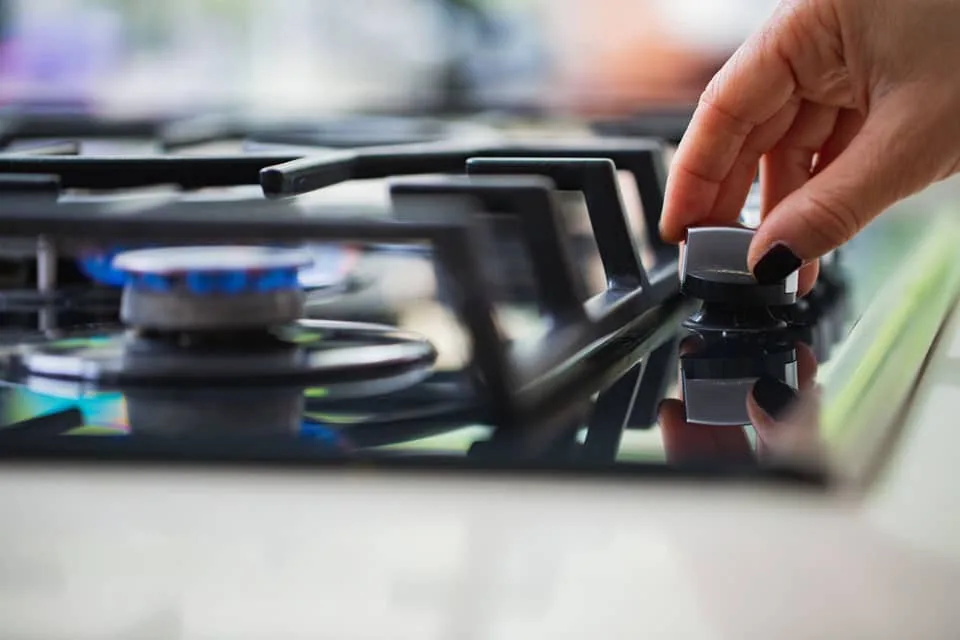
Turn on your gas cooktop and observe the flame. A healthy flame is blue with a small yellow tip. If the flame is predominantly yellow, orange, or red, the gas is not burning correctly. This could indicate a supply issue, blocked burner, or ventilation problem. All of these require a licensed gas fitter to investigate.
Walk the Property
Check around your gas meter, external gas lines, and any visible gas pipe runs for hissing sounds, unusual smells, dead vegetation, or bubbling in wet areas. Note the location of anything suspicious so you can describe it to the gas fitter.
More: Why Is My Hot Water System Leaking? All You Need To Know
Carbon Monoxide: The Silent Gas Leak Danger
Carbon monoxide (CO) deserves its own section because it is the most dangerous by-product of a gas leak or faulty gas appliance, and it is completely undetectable by human senses:
What Produces Carbon Monoxide
CO is produced when natural gas or LPG does not burn completely. This happens when a gas appliance is poorly maintained, incorrectly installed, or inadequately ventilated. Common sources include gas heaters, gas hot water systems, gas cooktops, and gas fireplaces. A yellow or orange flame on any of these appliances is a warning sign.
Symptoms of Carbon Monoxide Exposure
CO poisoning symptoms mirror the flu: headaches, nausea, dizziness, fatigue, and confusion. Prolonged exposure causes loss of consciousness and can be fatal. The danger is that CO is colourless and odourless, so you cannot smell it the way you can smell a mercaptan-treated gas leak.
How to Protect Your Household
Install a carbon monoxide alarm in your home, especially near bedrooms and gas appliances. CO alarms are available from hardware stores for $30 to $100. Test them monthly and replace batteries annually. Have all gas appliances serviced every two years by a licensed gas fitter. Adequate ventilation around gas heaters and hot water systems is critical.
What Causes Gas Leaks in Adelaide Homes
Understanding the common causes of gas leaks in Adelaide homes helps you stay alert and take preventive action before a small issue becomes dangerous:
Ageing Gas Lines and Connections
Older Adelaide homes in suburbs like Norwood, Prospect, Goodwood, and Burnside may have original gas lines and fittings that have deteriorated over decades. Corrosion, joint wear, and ground movement can all compromise gas pipe integrity over time.
Faulty or Poorly Maintained Gas Appliances
Gas cooktops, heaters, and hot water systems require regular servicing. Worn seals, cracked burners, and degraded connections can all develop slow leaks. Appliances that were incorrectly installed are particularly prone to leaks at the connection point.
Ground Movement and Excavation Damage
Adelaide’s reactive clay soils cause ground movement that can shift underground gas pipes and loosen joints. Construction, landscaping, and DIY excavation near gas lines can also damage pipes. Before any digging on your property, contact Before You Dig Australia on 1100 or via byda.com.au to check for underground services.
Corrosion from Adelaide’s Soil and Moisture
Buried gas lines in Adelaide’s clay soils are exposed to moisture and soil chemistry that accelerate corrosion over time. Properties in areas with high water tables or frequent ground saturation are at higher risk.
How to Prevent Gas Leaks in Your Home
Prevention is the most effective gas safety strategy, and most gas leaks are avoidable with regular maintenance and basic precautions:
Service Gas Appliances Every Two Years
A licensed gas fitter should inspect and service all gas appliances every two years at a minimum. This includes checking connections, testing for leaks, inspecting burner flames, and ensuring adequate ventilation. At Exceed Plumbing, our gas fitting team services cooktops, heaters, hot water systems, and gas bayonet connections across Adelaide.
Install a Carbon Monoxide Alarm
A CO alarm provides an early warning for the one gas by-product you cannot detect with your senses. Install alarms near bedrooms and in rooms with gas appliances. Replace the unit every five to seven years as recommended by the manufacturer.
Know Where Your Gas Meter and Shut-Off Valve Are
Every household member should know the location of the gas meter and how to turn off the supply in an emergency. Practice locating and operating the shut-off valve so you can act quickly if needed.
Contact Before You Dig Before Any Excavation
Before digging, landscaping, or building on your property, call Before You Dig Australia on 1100. They will identify the location of underground gas lines and other services, preventing accidental damage that can cause a leak.
Replace Ageing Gas Lines Proactively
If your home has original gas lines that are more than 30 years old, a licensed gas fitter can inspect and assess their condition. Replacing ageing lines before they fail is safer and less expensive than emergency repairs after a leak.
Who Is Responsible for a Gas Leak in Adelaide?
Responsibility for a gas leak depends on where the leak is located relative to your gas meter, and knowing this helps you contact the right party quickly:
Australian Gas Networks’ Responsibility
Australian Gas Networks owns and maintains the gas mains in the street and the service pipe from the main to your gas meter. If the leak is on their infrastructure (between the street and the meter), call 1800 427 532. They will attend and repair at no cost to you.
Your Responsibility as the Property Owner
Everything from the gas meter outlet to your appliances is your responsibility. This includes all internal gas piping, connections, bayonets, and appliances. If the leak is on your side, you need a licensed gas fitter. Under South Australian law, it is illegal to perform any gas work unless you are a licensed gas fitter or a licensed plumber with a gas fitting endorsement.
Recently, the team and I completed gas fitting work for an Adelaide homeowner who needed appliance work done at a family property. Alissa Pellegrini shared this feedback: “Caleb was fantastic to deal with. I organised for him to do some work at my parents’ house, and he was reliable, efficient, and respectful throughout the whole process. The quality of his work was excellent, and my parents were really happy with the result. Highly recommend him!” At Exceed Plumbing, we treat every home like it is our own.

Adelaide Suburbs We Service
Exceed Plumbing provides licensed gas fitting and gas leak detection across the entire Adelaide metropolitan area. We cover Salisbury, Mawson Lakes, Morphett Vale, Norwood, Goodwood, Linden Park, Modbury, West Lakes, Fulham Gardens, Mount Barker, Blackwood, Paralowie, Elizabeth, Golden Grove, Noarlunga, Happy Valley, Prospect, Colonel Light Gardens, Magill, Burnside, West Beach, Stirling, Mitcham, and every suburb in between. We aim to reach you within the hour, 24/7.
Do Not Ignore the Signs of a Gas Leak
If you smell gas, hear hissing near your gas lines, or notice any of the warning signs in this guide, act immediately. Leave the property, call 1800 GAS LEAK (1800 427 532), and then call a licensed gas fitter to locate and repair the leak on your property.
Call Exceed Plumbing on 0456 461 354 for same-day gas leak detection and gas fitting across Adelaide.
- 24/7 service, aiming to reach you within the hour
- Fixed upfront pricing, no surprises
- Fully licensed and insured (Licence #333997)
- Guaranteed workmanship on every job
- See our reviews on Google
Frequently Asked Questions
What are the signs of a gas leak in your home?
The most common signs are a rotten egg or sulphur smell, a hissing or whistling sound near gas lines, dead plants near gas pipes, physical symptoms like headaches and dizziness, an unexplained spike in your gas bill, and yellow or orange flames on gas appliances. If you notice any of these, evacuate and call 1800 427 532 immediately.
Is a gas leak dangerous?
Yes. Gas leaks can cause fires, explosions, and carbon monoxide poisoning. Even a small spark from a light switch or phone can ignite leaked gas in an enclosed space. Carbon monoxide from faulty gas appliances is colourless and odourless, making it undetectable without a CO alarm.
Who do I call for a gas leak in South Australia?
Call Australian Gas Networks on 1800 GAS LEAK (1800 427 532) for any suspected gas leak, available 24 hours. If there is a fire or immediate danger, call 000 first. For leaks after the gas meter on your property, call a licensed gas fitter.
Can I check for a gas leak myself?
You can use the soapy water test on accessible gas connections. Apply soapy water to the fitting and watch for bubbles. You can also check your gas meter with all appliances off. If the meter reading changes, gas is escaping. However, do not attempt any repairs yourself. Only a licensed gas fitter can legally repair gas lines and appliances in South Australia.
How can I prevent a gas leak in my home?
Service all gas appliances every two years by a licensed gas fitter. Install a carbon monoxide alarm near bedrooms and gas appliances. Know where your gas shut-off valve is and how to use it. Call Before You Dig Australia on 1100 before any excavation on your property.
What is the difference between a gas leak and carbon monoxide?
A gas leak is raw natural gas or LPG escaping from pipes or appliances. It can be detected by the mercaptan rotten egg smell added by gas distributors. Carbon monoxide is a by-product of incomplete gas combustion and is completely odourless and colourless. It can only be detected by a carbon monoxide alarm. Both are dangerous and require immediate professional attention.