
To find a water leak underground, start by checking your water meter with all taps and appliances turned off. If the meter is still moving, you have a leak on your property. Next, look for warning signs like wet patches in the yard, unusually green grass, or a sudden drop in water pressure. A licensed plumber can then pinpoint the exact location using acoustic listening equipment, thermal imaging, or pressure testing.
Adelaide’s reactive clay soils make underground leaks more common than in most Australian cities, particularly in older suburbs with galvanised or copper pipes that have been shifting with the ground for decades. Servicing homes across the Adelaide metropolitan area, Exceed Plumbing locates and repairs underground water leaks using non-invasive detection equipment. This guide covers how to detect a leak yourself, what a licensed plumber looks for, who is responsible for the repair, and how to prevent underground leaks from happening.
Why Underground Water Leaks Are Hard to Find
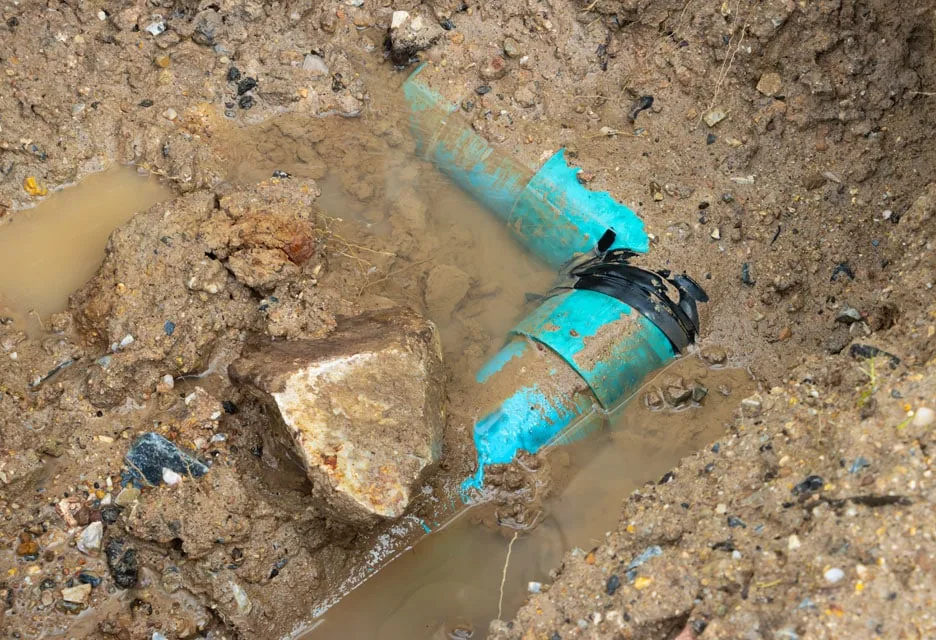
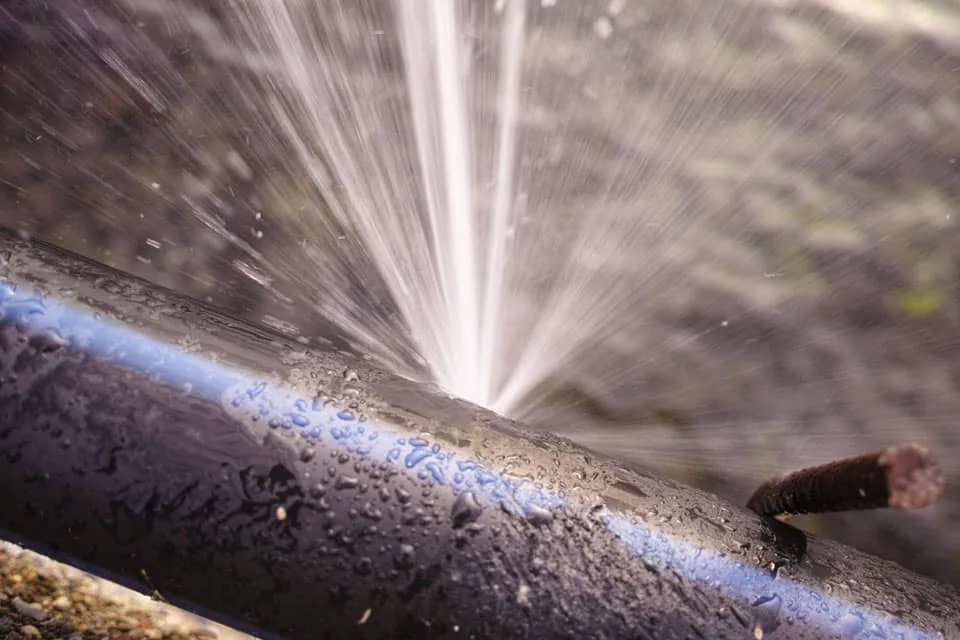
Underground leaks are invisible by nature. The pipe sits beneath soil, concrete, or paving, and the water escapes into the ground rather than surfacing immediately. A small leak can run for weeks or months before any visible sign appears above ground.
I have been locating underground leaks across Adelaide for years, and by the time most homeowners call us, their water bill has already spiked significantly. The leak itself is often only millimetres wide, but the water loss adds up quickly. A pinhole leak losing just one litre per minute wastes over 1,400 litres per day and more than 500,000 litres per year.
Adelaide’s conditions make detection harder than in many other cities. The reactive clay soils across Adelaide’s eastern and southern suburbs expand when wet and contract when dry, causing constant ground movement. This movement stresses underground pipes, loosens joints, and creates the cracks that lead to leaks. According to SA Water, Adelaide’s reactive soils are the most common reason water mains break or leak across the metropolitan network.
Warning Signs of an Underground Water Leak
Most underground leaks announce themselves through indirect signs before the leak itself becomes visible. Knowing what to look for helps you catch the problem early and limit the damage:
Unexplained Increase in Your Water Bill
A sudden spike in your water bill without a change in usage is the most common first indicator of an underground leak. Even a small leak can add hundreds of dollars to a quarterly bill. Compare your current usage against previous quarters. If the numbers do not match your habits, there is likely water escaping somewhere.
Your Water Meter Keeps Moving with Everything Off
Turn off every tap, appliance, toilet cistern, and irrigation system in and around your home. Check your water meter. If the dial is still moving or the digital display is still ticking over, water is flowing somewhere it should not be. This is the most reliable DIY test for confirming a leak exists on your property.
Wet or Soggy Patches in the Yard
Persistent damp areas on the lawn or in garden beds, especially during dry weather, suggest water is escaping from a pipe below. The wet patch may not be directly above the leak because water travels through the soil before surfacing.
Unusually Green or Fast-Growing Grass
A section of lawn that is noticeably greener or growing faster than the surrounding area is being fed by extra water from below. This is a classic sign of a slow underground leak that has been running for some time.
Drop in Water Pressure
A leaking pipe loses pressure before the water reaches your taps. If you notice reduced flow across the house, particularly at taps furthest from the meter, the water pressure issue may be caused by an underground leak rather than a supply problem.
Sounds of Running Water When Nothing Is On
If you can hear water flowing, hissing, or trickling when every tap is closed, water is escaping under pressure from a pipe. The sound may be faint and easiest to hear at night when the background noise drops.
Quick Reference: Warning Signs
| Sign | What It Suggests | Urgency |
| Water bill spike | An active leak is losing volume | High |
| Meter moving with taps off | Confirmed leak on the property | High |
| Wet patches in dry weather | Water surfacing from underground | Medium to High |
| Unusually green grass patch | Slow leak feeding roots | Medium |
| Pressure drop across the house | Pipe is losing volume before the taps | Medium |
| Sound of running water | Pressurised leak | High |
| Cracked pavement or driveway | Water is eroding the sub-base | High |
How to Check for an Underground Leak Yourself
Before calling a plumber, you can confirm whether a leak exists and narrow down where it might be. These checks take 15 to 20 minutes and require no tools:
Step 1: Turn Off Everything
Switch off every tap inside and outside the house. Turn off the dishwasher, washing machine, evaporative cooler, irrigation system, and any other water-using appliance. Make sure no toilets are running.
Step 2: Read Your Water Meter
Locate your water meter, usually at the front of the property near the street boundary. Note the exact reading or mark the position of the dial. Wait 30 minutes without using any water, then check the meter again. If the reading has changed, water is flowing through a leak.
Step 3: Isolate Hot from Cold
If the meter confirms a leak, turn off the isolation valve on your hot water system. Check the meter again. If the meter stops, the leak is on the hot water line. If it continues, the leak is on the cold supply line. This narrows down which pipe is affected and helps the plumber focus the search.
Step 4: Walk the Property
Walk along the path where your water supply pipe runs from the meter to the house. Look for wet patches, sunken ground, cracked paving, or areas where the soil has settled unevenly. Check around the base of the hot water system, along external walls, and near any visible pipe connections.
Step 5: Check with Neighbours
If you suspect the leak might be on the SA Water side of the meter (between the main and your meter), ask your neighbours if they are experiencing low pressure or wet patches. Report suspected mains issues to SA Water on 1300 729 283 or via the SA Water faults and outages map.
More: What To Do If You Have a Burst Pipe Under Your House
How a Licensed Plumber Finds an Underground Water Leak
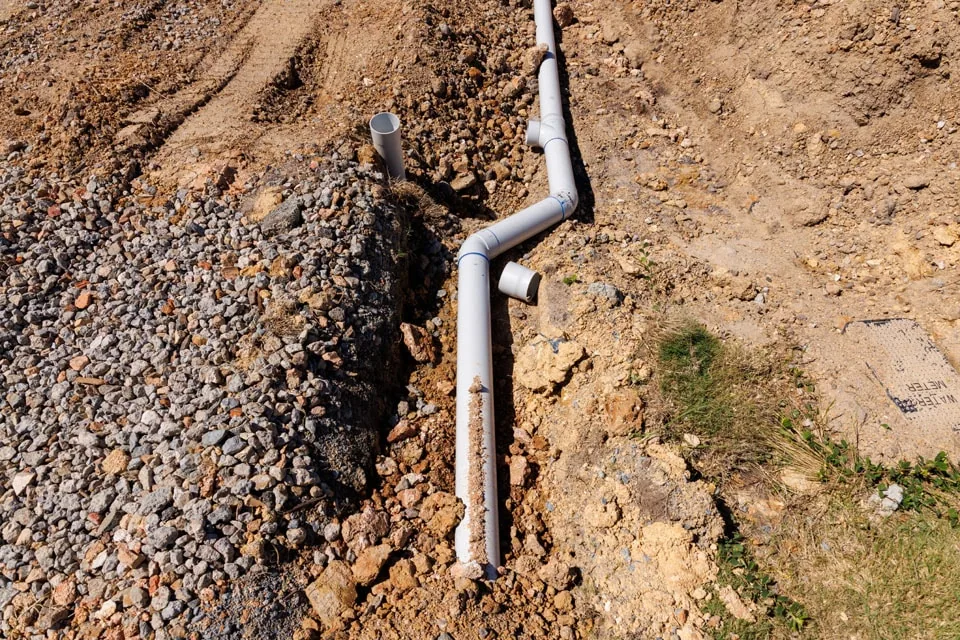
Once you have confirmed a leak exists, a licensed plumber uses specialised equipment to pinpoint the exact location without digging up your property. Here is what professional leak detection looks like:
Acoustic Listening Equipment
This is the most common and effective method for locating underground water leaks. The plumber places a sensitive microphone on the ground surface or directly on pipe fittings. Water escaping under pressure creates a distinct hissing or rushing sound. The equipment amplifies this sound and helps the plumber identify the loudest point, which indicates the leak location. Acoustic detection works on metal, PVC, and copper pipes.
Thermal Imaging
An infrared camera detects temperature differences on the ground surface. Leaking water changes the temperature of the soil above the pipe, creating a visible contrast on the thermal image. This method is particularly useful for leaks under concrete slabs, driveways, and paved areas where visual signs are hidden.
Pressure Testing
The plumber isolates sections of the plumbing system and pressurises each section individually. A section that cannot hold pressure has a leak. This method is especially useful for identifying which pipe run is affected in homes with complex plumbing layouts.
Tracer Gas Detection
For leaks that are difficult to locate acoustically, a safe, non-toxic tracer gas is injected into the pipe. The gas escapes through the leak point and rises to the surface, where a handheld sensor detects it. This method is highly accurate for pinpointing leaks under thick concrete or deep underground.
CCTV Drain Camera
For sewer and stormwater leaks, a CCTV drain camera provides a direct visual of the pipe interior. The camera travels through the pipe and records footage of cracks, joint displacement, and root intrusion. While primarily used for drainage, CCTV can also help assess damage to underground water supply pipes in accessible sections.
In South Australia, all plumbing work must be performed by a licensed plumber under the Plumbers, Gas Fitters and Electricians Act 1995. A certificate of compliance (eCoC) must be issued within seven days, as outlined by the SA Office of the Technical Regulator.
Recently, the team and I attended a service callout for an Adelaide homeowner who needed a thorough plumbing assessment. Fred Davis shared this feedback: “Absolutely brilliant service, I was contacted by Danny prior to arrival, full details while doing service and quoted for required parts. I received a discount and a full explanation of what was done. I had a follow-up call after the service to confirm everything was ok. I would highly recommend Exceed for service, quality of workmanship and customer satisfaction. Great company.” At Exceed Plumbing, that level of communication and follow-through is how every job runs.
Who Is Responsible for an Underground Leak in Adelaide?
Understanding responsibility matters because it determines who pays for the repair. In Adelaide, the boundary between SA Water’s responsibility and yours is the water meter:
SA Water’s Responsibility
SA Water owns and maintains the water main in the street and the connection pipe from the main to your water meter. If the leak is on the SA Water side (between the main and the meter), report it on 1300 729 283. SA Water will repair it at no cost to you.
Your Responsibility
Everything from the water meter to and including your house plumbing is your responsibility. This includes the underground supply pipe from the meter to the house, all internal plumbing, and the hot water system. If the leak is on your side, you need a licensed Adelaide plumber to locate and repair it.
SA Water Concealed Leak Assistance
If an underground leak on your property causes an unusually high water bill, SA Water may offer financial assistance. You must have the leak repaired by a licensed plumber and provide proof of the repair. Contact SA Water on 1300 729 283 to discuss eligibility. This is a detail most Adelaide homeowners are not aware of until after they receive the bill.
Responsibility Summary
| Leak Location | Responsible Party | What to Do |
| Between the street and the meter | SA Water | Call 1300 729 283 |
| Between the meter and the house | Homeowner | Call a licensed plumber |
| Inside the house | Homeowner | Call a licensed plumber |
| Hot water system | Homeowner | Call a licensed plumber |
| Shared boundary (unclear) | Contact SA Water first | SA Water will assess |
Why Underground Leaks Are More Common in Adelaide
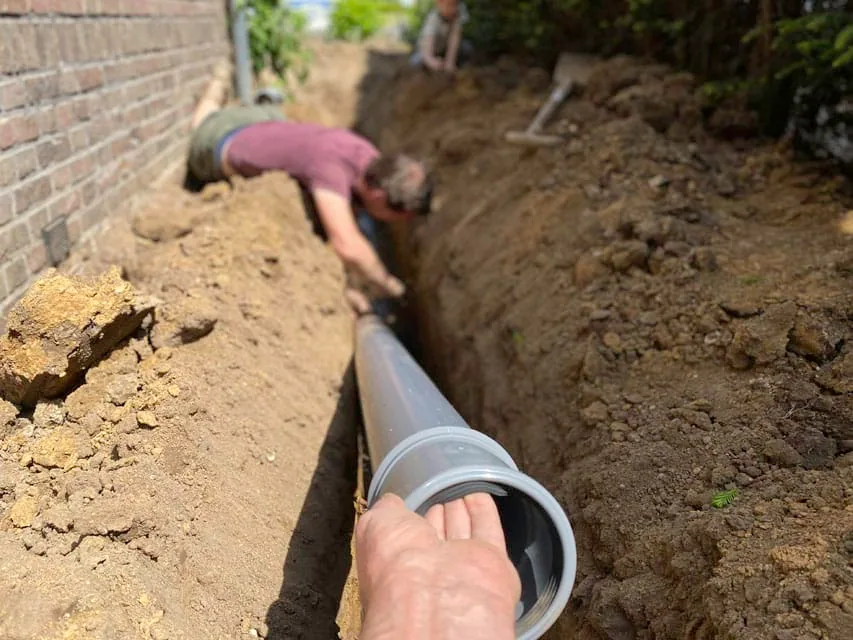
Adelaide’s unique combination of reactive clay soils, ageing pipe materials, and seasonal temperature extremes creates a higher risk of underground water leaks compared to most Australian cities:
Reactive Clay Soils Cause Ground Movement
Adelaide’s soil profile is dominated by reactive clay, particularly in the eastern and southern suburbs. According to SA Water, reactive clay soils are the most common reason water mains break across the Adelaide network. The same ground movement affects private pipes on your property. Homes in Burnside, Mitcham, Blackwood, and Stirling are particularly affected.
Ageing Pipe Materials in Older Suburbs
Homes built before the 1980s in Norwood, Prospect, Goodwood, and Colonel Light Gardens commonly have galvanised steel or older copper supply pipes. Galvanised pipes corrode internally and weaken over decades. Copper pipes develop pinhole leaks from corrosion, particularly in Adelaide’s moderately hard water conditions. Both pipe types become increasingly prone to failure as they age.
Seasonal Temperature Extremes
Adelaide’s hot, dry summers cause soil to contract and pull away from pipes. Winter rains then saturate the soil, causing it to expand. This annual cycle of expansion and contraction puts repeated stress on underground pipe joints and connections, gradually working them loose.
Tree Root Interference
Tree roots seeking moisture can press against underground water pipes, shift joints, and, in some cases, penetrate through weakened sections. This is especially common in the tree-lined inner suburbs. For more on root damage, see our guide on tree roots in drain pipes.
More: Burst Water Pipe Outside House? What Causes It and What to Do Next
How to Prevent Underground Water Leaks
Prevention is not always possible with underground pipes, but these measures significantly reduce the risk of a leak developing and help you catch problems before they escalate:
Monitor Your Water Bill and Meter Regularly
Check your water bill each quarter for unexpected increases. Do a meter test every few months by turning off all water and watching the meter for 30 minutes. Early detection limits both water loss and repair costs.
Maintain Safe Planting Distances
Keep trees and large shrubs at least 3 metres from known pipe runs. For aggressive species like eucalyptus and fig trees, 10 metres or more is safer. Root barriers can be installed to protect existing pipe routes.
Schedule a Plumbing Inspection Every Few Years
For homes with pipes older than 20 years, a professional plumbing inspection every three to five years can identify early signs of corrosion, pressure loss, or joint movement before a full leak develops. At Exceed Plumbing, we recommend proactive inspections for all homes in high-risk soil areas.
Replace Ageing Pipes Before They Fail
If your home has galvanised steel supply pipes, plan for replacement with modern copper or PEX before a leak forces an emergency repair. Planned repiping is less disruptive and less expensive than emergency excavation and repair after a major leak.
Protect Pipes from Ground Movement
In areas with highly reactive clay soils, flexible pipe connections and expansion joints can absorb ground movement without cracking. A licensed plumber can assess whether your supply pipe connections are adequate for Adelaide’s soil conditions.

Adelaide Suburbs We Service
Exceed Plumbing locates and repairs underground water leaks across the entire Adelaide metropolitan area. We cover Salisbury, Mawson Lakes, Morphett Vale, Norwood, Goodwood, Linden Park, Modbury, West Lakes, Fulham Gardens, Mount Barker, Blackwood, Paralowie, Elizabeth, Golden Grove, Noarlunga, Happy Valley, Prospect, Colonel Light Gardens, Magill, Burnside, West Beach, Stirling, Mitcham, and every suburb in between. We aim to reach you within the hour, 24/7.
Find That Underground Leak Before It Gets Worse
If your water bill has spiked, your meter is running with everything off, or you have noticed wet patches in the yard, there is likely an underground leak on your property. The longer it runs, the more water you lose and the more damage it does to your foundations and landscaping.
Call Exceed Plumbing on 0456 461 354 for same-day underground leak detection across Adelaide.
- 24/7 service, aiming to reach you within the hour
- Fixed upfront pricing, no surprises
- Fully licensed and insured (Licence #333997)
- Guaranteed workmanship on every job
- See our reviews on Google
Frequently Asked Questions
How do you find a water leak underground?
Start by turning off all taps and appliances, then check your water meter. If the meter is still moving, you have a leak. Walk the property looking for wet patches, sunken ground, or unusually green grass. A licensed plumber can then pinpoint the exact location using acoustic listening equipment, thermal imaging, or pressure testing.
How much does an underground water leak cost on your water bill?
A pinhole leak losing one litre per minute wastes over 1,400 litres per day. Depending on SA Water’s current rates, this can add hundreds of dollars to a quarterly bill. SA Water may offer financial assistance for unusually high bills caused by concealed leaks if you have the leak repaired by a licensed plumber.
Who is responsible for an underground water leak in Adelaide?
SA Water is responsible for the pipe between the street main and your water meter. Everything from the meter to your house and all internal plumbing is your responsibility. If the leak is on your side, you need a licensed plumber to repair it. If it is on SA Water’s side, call 1300 729 283.
Can you detect an underground water leak without digging?
Yes. Licensed plumbers use non-invasive methods, including acoustic listening equipment, thermal imaging cameras, pressure testing, and tracer gas detection to locate leaks without excavation. These tools pinpoint the leak location so only targeted digging is needed for the repair.
Why are underground water leaks common in Adelaide?
Adelaide’s reactive clay soils expand and contract with moisture changes, causing constant ground movement that stresses underground pipes. Older suburbs with galvanised steel or ageing copper pipes are particularly vulnerable. Seasonal temperature extremes and tree root interference add to the risk.
How can I prevent an underground water leak?
Monitor your water bill for unexpected increases and test your meter regularly. Keep trees at a safe distance from pipe runs. Schedule professional plumbing inspections every three to five years for homes with older pipes. If you have galvanised steel supply pipes, plan for replacement before they fail.