
Your washing machine drain is overflowing because the waste pipe is blocked, the standpipe or trough cannot handle the pump output rate, or the shared waste connection is restricted by lint, grease, and soap buildup. In some cases, a venting issue in the plumbing prevents water from draining fast enough.
Adelaide homes with older laundry plumbing are especially prone to this problem, particularly where the washing machine and kitchen sink share the same waste pipe. Servicing homes across the Adelaide metropolitan area, Exceed Plumbing diagnoses and fixes laundry drain overflows across Adelaide. This guide covers the common causes, how to identify the problem, what you can fix yourself, and when to call a licensed plumber.
Why Washing Machine Drains Overflow
Your washing machine pumps out dirty water at high volume during the drain cycle. That water travels through a discharge hose into a standpipe, laundry trough, or direct waste connection. If anything restricts the flow between the machine and the main drain, the water backs up and overflows onto the laundry floor.
I have been attending laundry drain overflows across Adelaide for years, and the cause is almost always a combination of factors rather than a single issue.
Lint from clothes, soap residue, and grease from kitchen waste (in shared connections) accumulate inside the waste pipe over time. The pipe gradually narrows until the washing machine’s pump output exceeds what the pipe can handle.
Under current Australian plumbing standards, laundry waste pipes must be sized to handle the flow rate of connected appliances. Many older Adelaide homes have 40mm laundry waste pipes that were adequate for older, slower machines, but cannot cope with modern front-loaders that pump water out at rates of 15 to 20 litres per minute.
Common Causes of a Washing Machine Drain Overflowing
Most washing machine drain overflows trace back to one of these causes, and understanding which one applies to your home helps you decide whether it is a DIY fix or a plumber’s job:
Blocked Waste Pipe
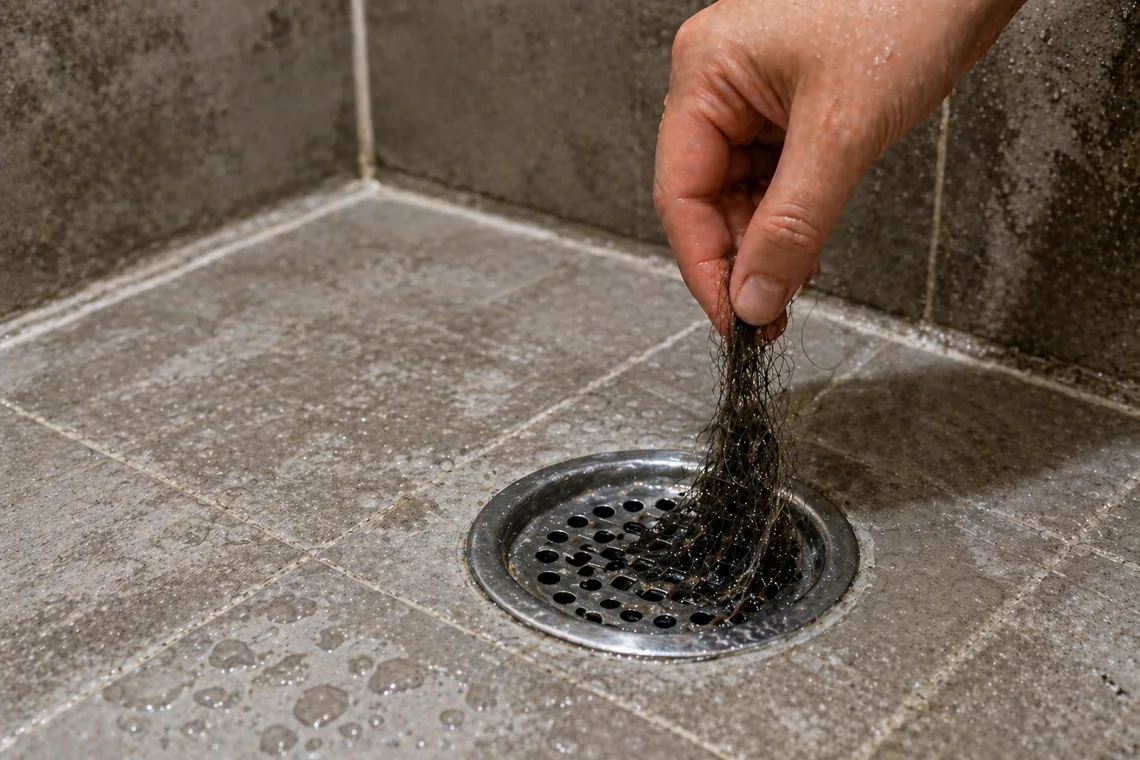
Lint, hair, soap scum, and fabric fibres accumulate inside the laundry waste pipe over time. Unlike kitchen grease that solidifies, lint forms a dense, wet mat that catches more debris with every wash cycle.
A partially blocked pipe may drain slowly for weeks before overflowing completely. This is the single most common cause of washing machine drain overflow in Adelaide homes.
Shared Waste Connection with Kitchen Sink
Many older Adelaide homes in suburbs like Norwood, Goodwood, and Colonel Light Gardens have the laundry and kitchen draining into the same waste pipe. When the washing machine drains, it competes with kitchen waste for pipe capacity.
Cooking grease from the kitchen coats the shared pipe, and lint from the laundry sticks to the grease, creating a blockage that neither appliance alone would cause. If your washing machine overflows and your kitchen sink also drains slowly, the shared connection is almost certainly the problem.
Undersized Standpipe or Waste Pipe
Under current Australian plumbing standards, a washing machine standpipe should be at least 40mm in diameter for older installations and 50mm for newer setups. Many Adelaide homes built before the 1980s have original 40mm standpipes.
Modern washing machines pump water out faster than older models, and the smaller pipe cannot keep up. The water rises to the top of the standpipe and overflows before it can drain away.
Blocked or Missing Vent Pipe
Your plumbing system needs air flow to allow water to drain properly. A vent pipe allows air into the drainage system so water can flow freely rather than creating a vacuum.
If the vent is blocked by debris, bird nests, or leaves, or if the laundry waste was never vented correctly, water drains slowly and the standpipe overflows. A gurgling sound from the drain during the wash cycle is a common indicator of a venting issue.
Discharge Hose Inserted Too Far into Standpipe
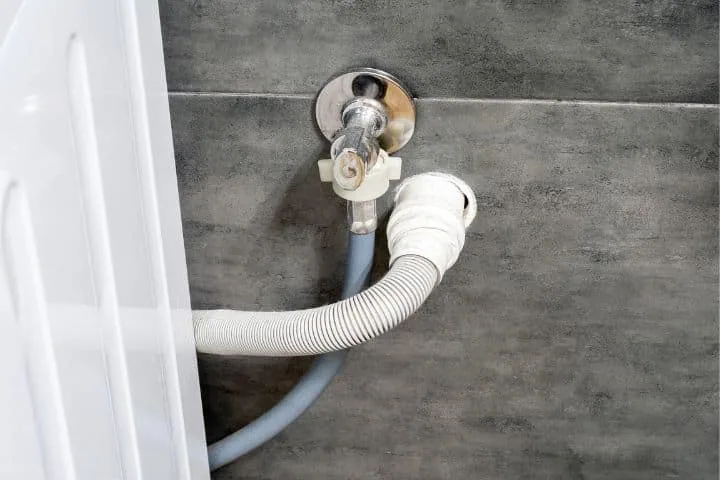
If the washing machine’s discharge hose is pushed too far down into the standpipe, it can create a seal that prevents air from entering. This creates a siphon effect that either pulls water back into the machine or slows drainage enough to cause overflow. The hose should sit 150mm to 200mm inside the standpipe, with an air gap at the top.
Lint and Debris in the Discharge Hose
The discharge hose between the machine and the standpipe can accumulate lint and small objects over time, narrowing the internal diameter and restricting flow. A kinked or compressed hose behind the machine has the same effect.
Diagnostic Table: Identifying the Cause
| Pattern | Likely Cause | Who to Call |
| Overflow every wash cycle, getting worse | Blocked waste pipe (lint/soap buildup) | Licensed plumber |
| Overflow when the kitchen and laundry run together | Shared waste connection overloaded | Licensed plumber |
| Water rises to the top of the standpipe and spills over | Undersized standpipe or pipe | Licensed plumber |
| Gurgling sound during the drain cycle | Blocked or missing vent pipe | Licensed plumber |
| Overflow only with large loads | Pump output exceeds pipe capacity | Check hose depth, may need a plumber |
| Slow drain with occasional overflow | Partial blockage is building up | DIY clearing or a plumber |
What You Can Check Before Calling a Plumber
Before booking a callout, these checks take less than 15 minutes and help you identify whether the problem is something you can resolve yourself or requires professional attention:
Check the Discharge Hose
Pull the washing machine out from the wall and inspect the discharge hose. Look for kinks, sharp bends, or compression. Check where the hose enters the standpipe or trough. It should sit 150mm to 200mm inside, not pushed all the way to the bottom. If it is too deep, pull it back and secure it with a hose clip.
Run a Drain Test Without the Machine
Pour a bucket of water directly into the standpipe or laundry trough. If the water drains slowly or backs up, the blockage is in the waste pipe, not the machine. If it drains quickly, the issue may be the volume and speed of the machine’s pump output exceeding what the pipe can handle during the drain cycle.
Listen for Gurgling
Start a wash cycle and listen when the machine reaches the drain phase. A gurgling sound from the standpipe or nearby drains indicates a venting problem. Air is being pulled through the water seal in the trap because the vent is blocked or missing.
Check Whether the Kitchen Sink Is Also Slow
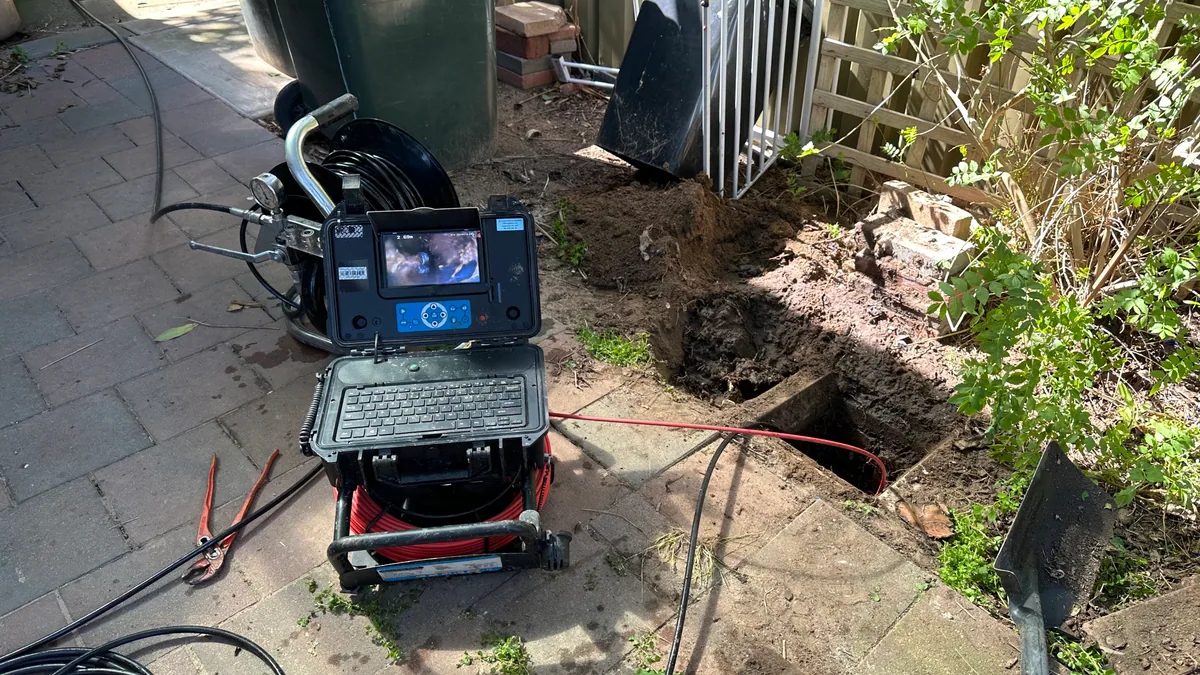
If the kitchen and laundry share a waste connection, run the kitchen tap while the washing machine drains. If the kitchen sink backs up or drains slowly, the shared waste pipe is the problem. A CCTV drain camera inspection can confirm the exact location and cause of the blockage.
Clean the Washing Machine Pump Filter
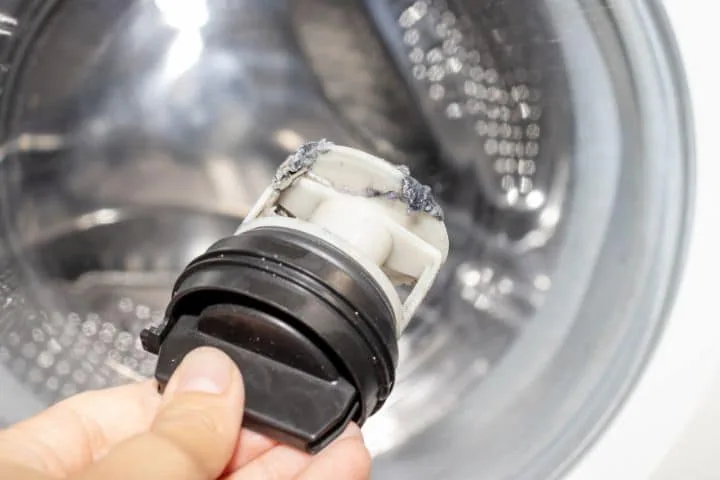
Most modern washing machines have an accessible pump filter at the front bottom of the machine. Open the access panel, place a towel underneath, and unscrew the filter. Remove lint, coins, hair ties, and any debris. A blocked pump filter slows the drain cycle and can contribute to overflow issues.
More: Why Is My Dishwasher Not Draining Water Properly?
When a Washing Machine Drain Overflow Needs a Licensed Plumber
Some overflow problems are beyond DIY, and continuing to run the machine without fixing the underlying cause risks water damage to your floors and walls:
The Overflow Happens Every Wash Cycle
If the drain overflows consistently regardless of load size, the waste pipe is significantly blocked, or the pipe is undersized for the machine’s output. A plumber can clear the blockage using hydrojet equipment and assess whether the pipe needs upgrading.
The Kitchen and Laundry Both Drain Slowly
Shared waste connection issues require professional diagnosis. A plumber can determine whether the shared pipe needs clearing, upsizing, or separating into independent waste runs. This is a common fix in older Adelaide homes where the original plumbing was not designed for modern appliance loads.
You Hear Gurgling from Multiple Drains
Gurgling from the laundry, kitchen, and bathroom drains during the wash cycle indicates a main line issue or a systemic venting problem. This is not a localised blockage and requires a plumber to inspect the full drainage system.
The Overflow Started After a Renovation
If your laundry was moved, a new machine was installed, or the kitchen was renovated, the drainage configuration may have been altered. Incorrect pipe sizing, missing vents, or poorly connected waste fittings all cause overflow issues. A licensed plumber can audit the installation and correct any non-compliant work.
In South Australia, all plumbing work must be performed by a licensed plumber under the Plumbers, Gas Fitters and Electricians Act 1995. A certificate of compliance (eCoC) must be issued within seven days, as outlined by the SA Office of the Technical Regulator.
Recently, the team and I responded to an urgent drainage callout for an Adelaide homeowner over a holiday weekend. Stacey shared this feedback: “Amazing service even on an Easter Weekend! Called and had our drains sorted within the hr! Greatly appreciated! Top service!” At Exceed Plumbing, same-day service runs 24/7, including weekends and public holidays.
Why Washing Machine Drain Overflows Are Common in Adelaide
Adelaide’s housing stock and plumbing infrastructure create conditions that make laundry drain overflows more frequent than in many other cities:
Shared Waste Connections in Older Homes
Homes built before the 1990s in Prospect, Burnside, Mitcham, and Magill commonly have the laundry and kitchen draining into the same 40mm or 50mm waste pipe. Modern machines pump faster and use more concentrated detergents, increasing the load on pipes that were designed for slower, older appliances.
Adelaide’s Hard Water Accelerates Buildup
Adelaide’s moderately hard water (calcium carbonate levels between 140 and 220 mg/L) contributes to mineral scale buildup inside waste pipes. Scale creates rough surfaces that trap lint, soap, and grease more readily, accelerating the blockage cycle.
Lint from Adelaide’s Climate and Lifestyle
Adelaide’s dry, dusty conditions mean clothes carry more fine particles into the wash. Combined with pet hair and the high volume of outdoor clothing washed by active Adelaide households, lint accumulation in laundry drains is faster than in less dusty environments.
Tree Root Intrusion in External Waste Pipes
If your laundry waste pipe runs underground to the main sewer, tree roots can enter through cracked joints and catch lint and debris flowing from the washing machine. This creates a blockage further down the line that causes the standpipe to overflow inside the laundry. Our licensed plumbing team can run a CCTV inspection to check for root intrusion in external waste sections.
How to Prevent Your Washing Machine Drain from Overflowing
Prevention is cheaper than water damage repairs. These habits keep your laundry drain flowing freely and reduce the risk of overflow:
Install a Lint Trap on the Discharge Hose
An inline lint trap or mesh filter on the washing machine discharge hose catches lint before it enters the waste pipe. These are available from hardware stores for under $15 and significantly reduce buildup inside the drain. Clean the trap after every few washes.
Clean the Pump Filter Monthly
Remove and rinse the washing machine’s pump filter once a month. This prevents lint, coins, and small objects from restricting flow and slowing the drain cycle.
Use the Right Amount of Detergent
Excess detergent creates more suds, which drain more slowly and leave residue inside pipes. Follow the manufacturer’s guidelines for dosage. High-efficiency (HE) detergent produces less foam and is better for your drains.
Flush the Waste Pipe Every Three Months
Pour a kettle of hot (not boiling) water down the laundry standpipe or trough every three months, followed by half a cup of baking soda and half a cup of white vinegar. This dissolves soap residue and loosens lint buildup before it reaches blockage level.
Schedule Professional Drain Cleaning Annually
For Adelaide homes with shared waste connections, older pipes, or a history of laundry drain overflows, an annual professional drain clean keeps the waste pipe clear. At Exceed Plumbing, we use hydrojet equipment to scour the pipe walls and remove lint, grease, and scale that DIY methods cannot reach.
More: What Should You Do About Tree Roots in Drain Pipe?
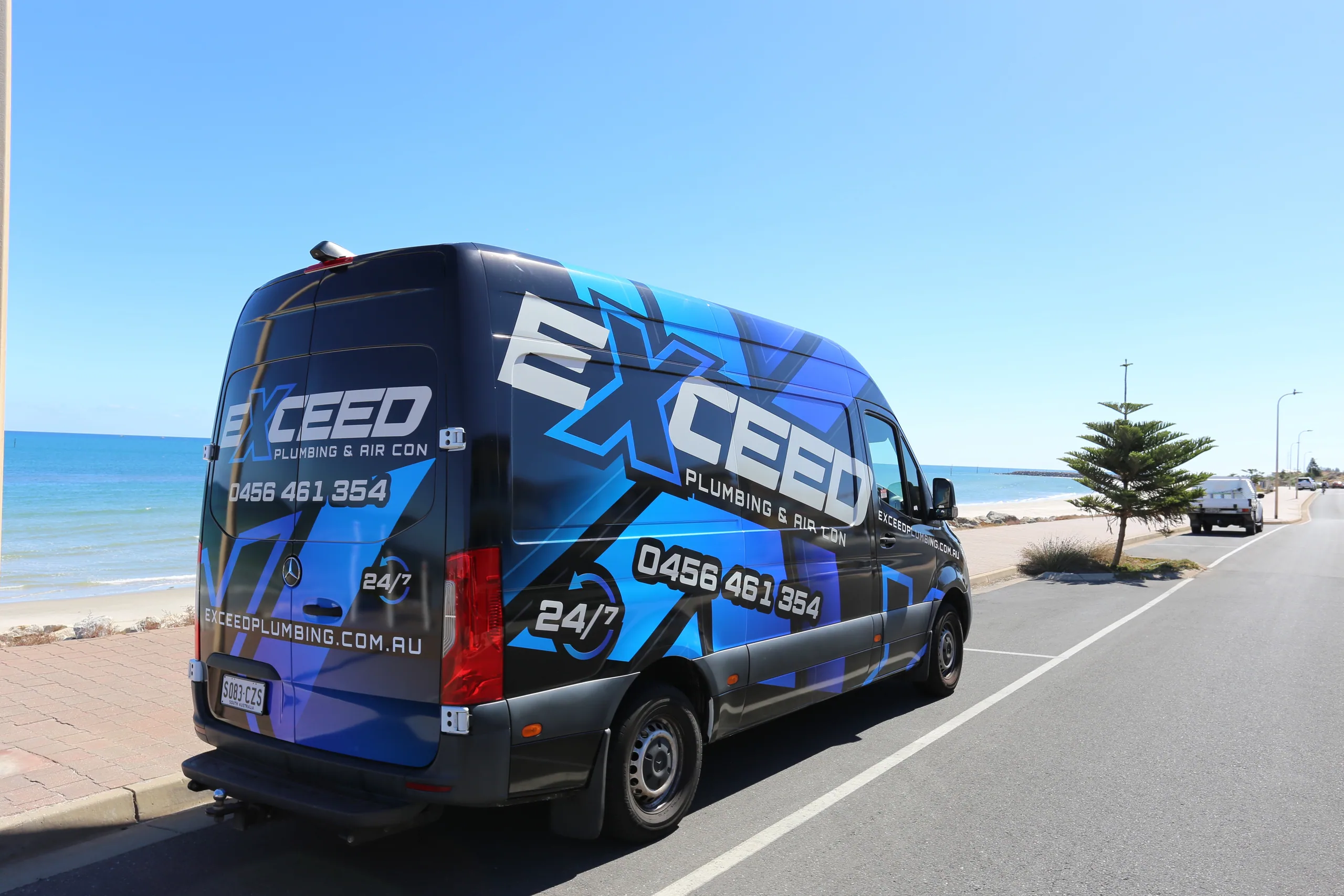
Adelaide Suburbs We Service
Exceed Plumbing diagnoses and fixes washing machine drain overflows across the entire Adelaide metropolitan area. We cover Salisbury, Mawson Lakes, Morphett Vale, Norwood, Goodwood, Linden Park, Modbury, West Lakes, Fulham Gardens, Mount Barker, Blackwood, Paralowie, Elizabeth, Golden Grove, Noarlunga, Happy Valley, Prospect, Colonel Light Gardens, Magill, Burnside, West Beach, Stirling, Mitcham, and every suburb in between. We aim to reach you within the hour, 24/7.
Stop the Overflow Before It Causes Water Damage
If your washing machine drain keeps overflowing and the basic checks in this guide have not resolved it, the problem is in the waste pipe, the venting, or the pipe sizing. A licensed plumber can diagnose it on the spot, clear the blockage, and correct the installation if needed.
Call Exceed Plumbing on 0456 461 354 for a same-day laundry drain diagnosis across Adelaide.
- 24/7 service, aiming to reach you within the hour
- Fixed upfront pricing, no surprises
- Fully licensed and insured (Licence #333997)
- Guaranteed workmanship on every job
Frequently Asked Questions
Why is my washing machine’s drain overflowing?
The most common causes are a blocked waste pipe from lint and soap buildup, a shared waste connection with the kitchen that is overloaded, an undersized standpipe, or a blocked vent pipe. If the overflow happens every cycle and is getting worse, the waste pipe is significantly restricted and needs professional clearing.
How do I stop my washing machine drain from overflowing?
Start by checking the discharge hose for kinks and correct insertion depth (150mm to 200mm into the standpipe). Clean the pump filter. Test the drain by pouring a bucket of water into the standpipe. If it drains slowly, the waste pipe is blocked and needs a licensed plumber to clear it.
Can a shared waste pipe cause my washing machine drain to overflow?
Yes. Many older Adelaide homes have the laundry and kitchen draining into the same waste pipe. Kitchen grease coats the pipe and laundry lint sticks to it, creating a combined blockage. If both the kitchen sink and washing machine drain slowly, the shared connection is the likely cause.
Why does my washing machine drain overflow only with large loads?
Large loads use more water, and the machine pumps it out at a higher rate. If the waste pipe is partially blocked or undersized, it can handle smaller loads but not the full volume of a large cycle. This is a sign the pipe needs clearing or upgrading to handle the machine’s output.
How often should I clean my laundry drain to prevent overflow?
Install a lint trap on the discharge hose and clean it after every few washes. Clean the pump filter monthly. Flush the waste pipe with hot water and baking soda every three months. For homes with shared waste connections or recurring issues, schedule a professional drain clean annually.
When should I call a plumber for a washing machine drain overflow?
Call a plumber if the overflow happens every cycle, if the kitchen and laundry both drain slowly, if you hear gurgling from multiple drains, or if the problem started after a renovation. In South Australia, all plumbing work must be performed by a licensed plumber under the Plumbers, Gas Fitters and Electricians Act 1995.