
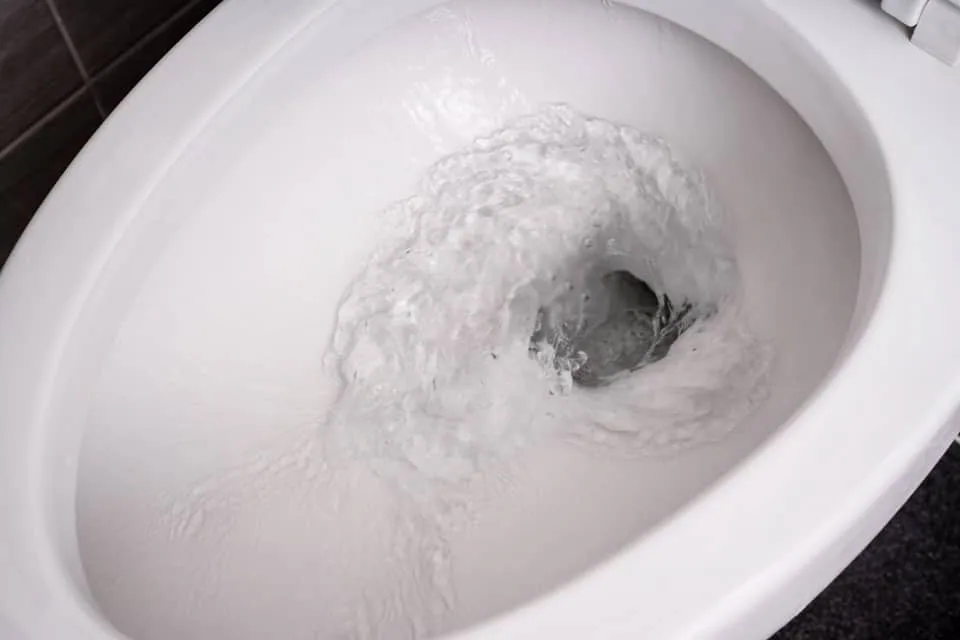
A toilet bowl not flushing properly usually comes down to a problem inside the cistern, a partial blockage in the drain line, or restricted water flow through the rim jets. The issue may be mechanical, structural, or caused by a combination of factors that reduce the force needed for a complete flush.
Adelaide homes face a unique mix of conditions that contribute to toilet flushing problems, from ageing pipework and mineral deposits to tree root intrusion in sewer lines. Exceed Plumbing provides expert plumbing services across the Adelaide metropolitan area. This guide covers the most common reasons your toilet is not flushing properly, what you can check yourself, and when it is time to call a licensed plumber.
Why Toilets Stop Flushing Properly in Adelaide
A toilet relies on a synchronised release of water from the cistern into the bowl to create the siphon action that clears waste. When any part of that system fails or underperforms, the result is a weak, incomplete, or non-existent flush. Adelaide’s plumbing landscape adds several layers to this problem.
SA Water recorded a record 5,167 sewer main blockages across South Australia in the 2024-25 financial year, with tree roots responsible for roughly 3,275 of those incidents. According to the2021 ABS Census, 73.3% of Greater Adelaide dwellings are separate houses. Many sit on established blocks with mature vegetation growing directly above underground drain lines.
Common Causes of a Toilet Bowl Not Flushing
A toilet that won’t flush but isn’t visibly clogged can be confusing. The problem usually traces back to one of six issues inside the cistern, the bowl, or the drain line beneath the floor:
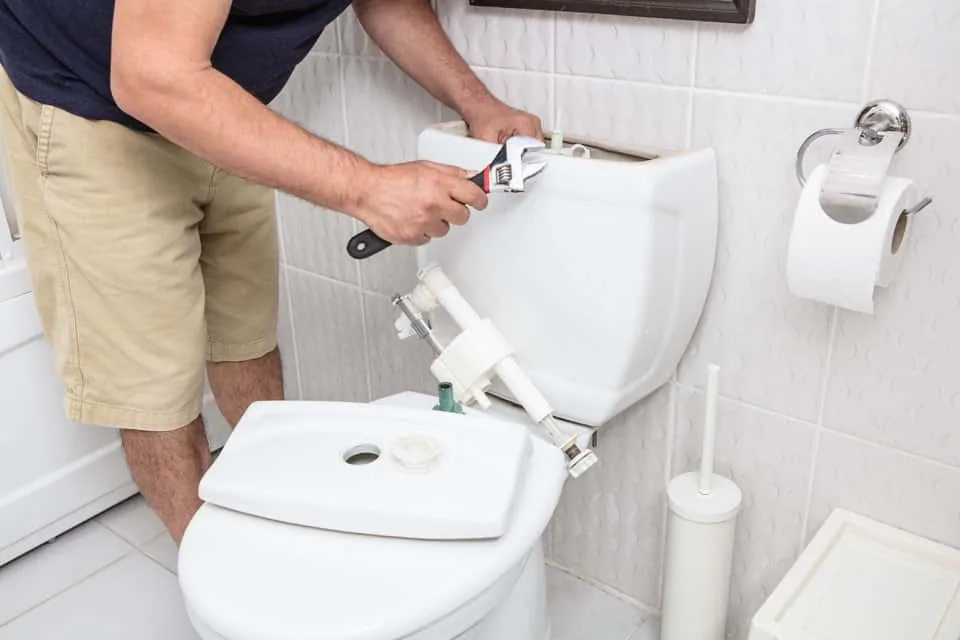
- Low water level in the cistern. If the water sits below the manufacturer’s fill line, there is not enough volume to generate the siphon needed for a full flush. A faulty fill valve, a misadjusted float, or a partially closed isolation valve can all cause this.
- Worn or warped flapper valve. The rubber flapper at the base of the cistern creates a seal that holds water until you press the flush button. When the flapper deteriorates, water leaks slowly into the bowl between flushes, reducing the volume available for the next flush cycle.
- Blocked rim jets. Small holes under the rim of the bowl direct water downward during a flush. Calcium and mineral deposits gradually block these openings, weakening the swirl pattern and reducing flushing power. Adelaide’s moderate water hardness accelerates this buildup compared to softer water regions.
- Partial drain blockage below the toilet. A restriction in the toilet trap or the drain line beneath the floor slows drainage without causing a complete backup. Wet wipes, excess toilet paper, or foreign objects lodged in the S-bend are common culprits. SA Water reported 1,803 blockages caused by non-flushable items in the 2024-25 financial year, with suburbs like Elizabeth North, Hackham West, and Morphett Vale among the worst affected.
- Faulty flush mechanism or button. Dual-flush toilets use a push-button mechanism connected to the cistern valve. If the cable or linkage is loose, damaged, or misaligned, the valve may not open fully, releasing only a fraction of the stored water. This is a frequent issue in older dual-flush systems across Adelaide.
- Blocked or obstructed vent pipe. Every toilet connects to a vent stack that exits through the roof. This vent allows air into the drainage system to maintain proper pressure. When leaves, bird nests, or debris block the vent, negative pressure builds and disrupts the flush cycle.
Signs Your Flushing Problem Needs Professional Attention
A single weak flush might resolve itself. But a pattern of these warning signs points to an underlying issue that requires a licensed plumber:
Water Rises Before Draining Slowly
If the bowl fills higher than normal after flushing and then drains sluggishly, there is likely a partial blockage in the drain line or the main sewer. This is especially common in homes with original clay pipes across suburbs like Goodwood, Colonel Light Gardens, and Mile End.
Multiple Fixtures Affected at the Same Time
When the toilet flushes poorly and your shower drains slowly or the kitchen sink gurgles, the blockage sits further downstream in the shared sewer line. This is not a cistern issue and almost always requires a professional CCTV inspection.
Toilet Runs Constantly Between Flushes
A running toilet signals that water is escaping from the cistern into the bowl through a leaking flapper or overflow tube. The cistern never reaches full capacity, so every flush is weaker than it should be.
Sewage Odour From the Bowl or Floor Drain
Foul smells combined with toilet trouble flushing suggest a compromised trap seal or a venting fault. Sewer gas contains methane and hydrogen sulphide, both harmful with prolonged exposure.
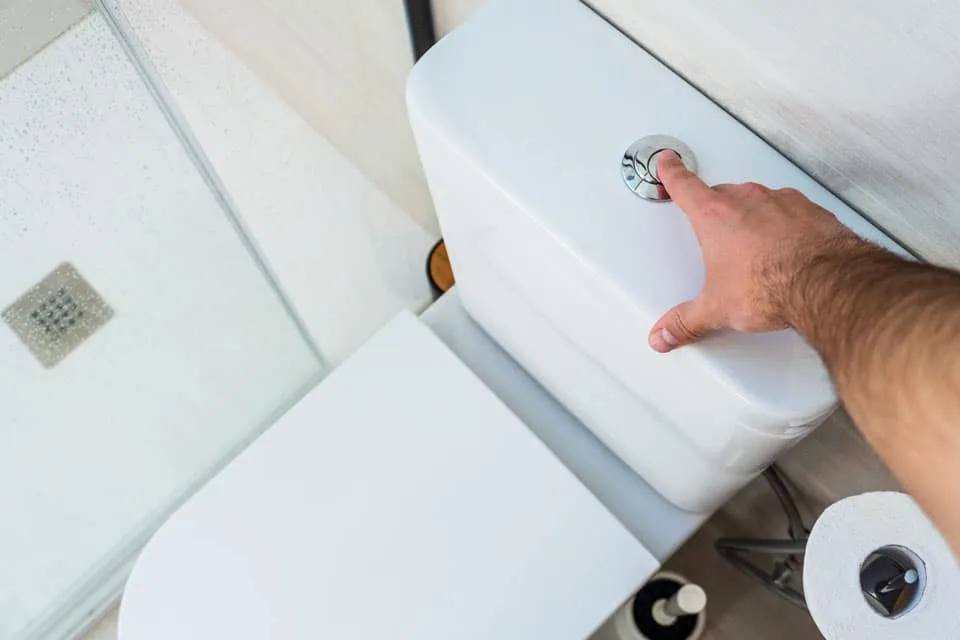
What You Can Safely Check Before Calling a Plumber
Not every case of toilets not flushing requires an emergency call-out. There are several things you can inspect before picking up the phone:
- Check the cistern water level. Lift the lid and look for the fill line marked on the inside wall or overflow tube. If the water sits more than 25 mm below this line, adjust the float or fill valve. On ball-float systems, bend the arm upward slightly. On modern column-type valves, turn the adjustment screw clockwise.
- Inspect the flapper valve. Flush the toilet with the lid off and watch the flapper. It should lift fully and stay open until roughly 80% of the water has drained. If it drops early or does not seal flat when closed, replace it. Universal flappers are available at most hardware stores for under $15.
- Clean the rim jets. Use a small brush or a straightened wire to clear mineral deposits from the holes under the rim. For heavier buildup, pour white vinegar into the overflow tube and let it sit for several hours before flushing. You should see even water flow from all rim openings after cleaning.
- Try a plunger. A heavy-duty flange plunger creates a seal around the toilet outlet and can dislodge minor blockages in the trap. Push down firmly, pull up sharply, and repeat 15 to 20 times. If the flush strength returns, the blockage was localised.
- Check the outdoor gully trap. Most Adelaide homes have an external gully trap near the house. If it contains standing water above the grate or is overflowing, the blockage is in the drain line downstream and requires professional attention.
Why Certain Adelaide Suburbs See More Toilet Flushing Problems
Where you live in Adelaide has a direct impact on how often your toilet bowl not flushing becomes a recurring issue. Housing age, pipe materials, soil conditions, and tree species all contribute:
- Eastern suburbs and foothills (Burnside, Mitcham, Stirling, Blackwood). Dense mature tree canopy combined with original clay drainage makes this corridor Adelaide’s highest-risk zone for root intrusion. SA Water confirms the eastern foothills consistently record higher blockage rates than newer western suburbs.
- Inner-ring established suburbs (Norwood, Prospect, Unley, Goodwood). Homes built between the 1920s and 1960s typically have clay or earthenware pipes with cemented joints. After 60 to 100 years, these joints crack and allow debris, sediment, and roots to enter the line.
- Northern suburbs (Elizabeth North, Salisbury, Paralowie, Mawson Lakes). SA Water data identifies these suburbs among the worst for wet wipe-related blockages. Many properties are Housing Trust-era homes with original plumbing infrastructure that was never designed to handle modern flushing habits.
- Coastal suburbs (West Lakes, Henley Beach, West Beach). Salt air accelerates corrosion on metal cistern fittings and inlet connections. Sandy soil shifts around buried pipes, causing joint separation that restricts flow and leads to incomplete flushing.
How a Licensed Plumber Diagnoses and Repairs the Issue
Under the Plumbers, Gas Fitters and Electricians Act 1995, all plumbing work in South Australia must be performed by a licensed and registered plumber. Here is what the diagnostic and repair process typically involves:
Cistern Inspection and Component Replacement
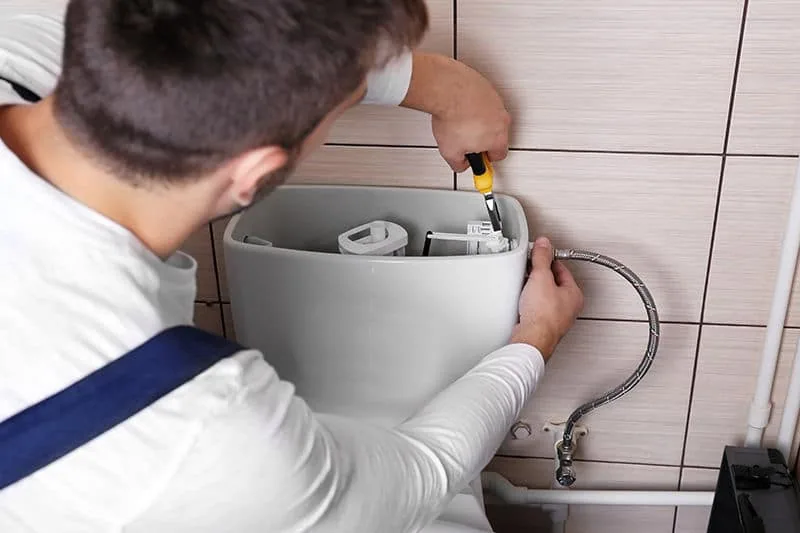
The plumber checks the fill valve, flapper, flush mechanism, and overflow tube for wear or misalignment. Replacing a faulty flapper or recalibrating a fill valve often resolves weak flushing immediately. If the cistern itself is cracked or the internal components are obsolete, a full toilet installation may be recommended.
CCTV Drain Camera Inspection
When the problem sits below the floor, a waterproof camera is fed into the drain to reveal the exact location and nature of the obstruction. Whether it is a root mass, a collapsed section, or a buildup of non-flushable items, the camera removes guesswork. A CCTV drain camera inspection is non-invasive and typically takes under an hour.
Hydrojetting and Drain Clearing
For partial blockages, high-pressure water jetting clears pipe walls without damaging the pipe. For severe root masses, mechanical cutting tools are used first, followed by jetting. This is the same approach SA Water uses across their network. A professional hydrojet drain cleaning restores full flow and flush performance.
Pipe Repair, Relining, or Replacement
If the camera reveals cracked, collapsed, or severely deteriorated pipes, the plumber recommends either pipe relining or excavation and drain replacement. Relining inserts a resin-coated liner into the existing pipe, creating a smooth, jointless interior that resists future root intrusion and debris buildup.
Certificate of Compliance
According to the SA Government, plumbers must provide a plumbing certificate of compliance within seven days of completing work involving sewer or water main connections. This confirms the work meets current Australian plumbing standards. Always request this document.
How to Keep Your Toilet Flushing Properly Long Term
Most flushing issues are preventable. A few simple habits and periodic maintenance can save you from repeated call-outs and unexpected plumbing bills:
- Only flush the three Ps. Pee, poo, and (toilet) paper. Wet wipes, even those labelled “flushable,” do not break down like toilet paper and are Adelaide’s leading preventable blockage cause. SA Water spent over $2 million in a single financial year redirecting unflushable materials from pipes and treatment plants to landfill.
- Clean rim jets every six months. A quick scrub under the rim with a brush and white vinegar prevents mineral deposits from restricting water flow. This is especially important in Adelaide, where moderate water hardness accelerates buildup.
- Replace cistern components proactively. Flappers, fill valves, and flush buttons have a lifespan of five to ten years. Replacing them before they fail avoids the slow performance decline that leads to a toilet not flushing well.
- Schedule regular drain inspections. A CCTV inspection every two to three years gives early warning of root intrusion or joint deterioration, particularly for homes in Adelaide’s eastern suburbs and foothills.
- Choose a WELS-rated toilet when upgrading. Under Australia’s Water Efficiency Labelling and Standards scheme, modern dual-flush toilets use an average of 4.5 litres on a full flush compared to 12 litres for pre-1990s single-flush models.
Areas We Service
Our plumbing, gas fitting, and drain clearing services cover the entire Adelaide metropolitan area, including Adelaide CBD, Norwood, Burnside, Unley, Prospect, Goodwood, Mitcham, Stirling, Blackwood, West Lakes, Henley Beach, Salisbury, Mawson Lakes, Elizabeth, Paralowie, Golden Grove, Modbury, Morphett Vale, Noarlunga, Happy Valley, Mount Barker, Colonel Light Gardens, Magill, Linden Park, and Fulham Gardens.
Toilet Bowl Not Flushing? Get It Diagnosed and Fixed Today
If your toilet keeps flushing weakly or not at all and basic checks have not resolved it, do not wait for a complete blockage or overflow. Call Exceed Plumbing on 0456 461 354 for same-day diagnosis and repair across Adelaide. Fixed upfront pricing, no hidden costs, and all work backed by our workmanship guarantee. Available 24/7, including nights, weekends, and public holidays.
Frequently Asked Questions
Why does my toilet flush weakly even though it is not clogged?
A weak flush without a visible clog usually points to a cistern issue. The water level may be too low, the flapper may not be opening fully, or mineral deposits may be blocking the rim jets. A partially obstructed vent pipe can also reduce flush strength by disrupting air pressure in the drainage system.
Can hard water cause my toilet to stop flushing properly?
Yes. Adelaide’s water contains moderate levels of calcium and magnesium that gradually deposit limescale inside cistern components and rim feed holes. Over time, this restricts water flow into the bowl and weakens the flush. Regular cleaning of rim jets and periodic replacement of internal parts prevents this.
How much does it cost to fix a toilet that is not flushing properly in Adelaide?
Costs depend on the cause. Replacing a flapper or fill valve might cost $80 to $180 including parts and labour. Drain clearing with a plumber’s auger or hydrojetting ranges from $150 to $400. Pipe relining or replacement for root-damaged lines costs more. Always request a fixed upfront quote before work begins.
Should I replace my toilet or just repair it?
If the cistern and bowl are structurally sound and the issue is a worn component, repair is almost always more cost-effective. If the toilet is over 25 years old, uses a single-flush mechanism, or has a cracked cistern, upgrading to a modern WELS-rated dual-flush model delivers better performance and water savings.
Why does my toilet only flush properly on the second or third attempt?
This usually means the cistern is not releasing enough water on the first flush. The flapper may be closing too early, the flush button linkage may be loose, or the water level may sit below the fill line. Adjusting or replacing these components typically resolves the issue in a single visit.
Can tree roots really affect how my toilet flushes?
Absolutely. Tree roots are the leading cause of sewer blockages in South Australia, responsible for roughly 3,275 incidents in the 2024-25 financial year alone. Roots enter through cracked joints in older clay pipes, grow inside the line, and progressively restrict flow. The result is slow drainage that shows up as a toilet that will not flush completely.