
A bathroom drain that smells like sewage means sewer gas is escaping through a failed water seal, a blocked pipe, or a damaged fitting somewhere in your plumbing. The odour enters your bathroom when the barrier between your living space and the wastewater system breaks down.
Adelaide homes with older clay drainage and dried-out gully traps are especially prone to this problem, particularly during hot, dry summers. Exceed Plumbing provides 24/7 emergency and scheduled plumbing services across the Adelaide metropolitan area. This guide covers the common causes, how to find the source, safe DIY fixes, when to call a licensed plumber, and how to stop the smell from coming back.
Adelaide homes with older clay drainage and dried-out gully traps are especially prone to this problem, particularly during hot, dry summers. Servicing homes across the Adelaide metropolitan area, Exceed Plumbing provides 24/7 emergency and scheduled plumbing solutions. This guide covers the common causes, how to find the source, safe DIY fixes, when to call a licensed plumber, and how to stop the smell from coming back.
Why Sewage Smells Come from Bathroom Drains
Your plumbing is designed to keep sewer gas contained through water seals in traps, vented pipework, and sealed fittings. When any of those fail, gas escapes into your bathroom. I have been diagnosing drain issues across Adelaide for years, and this is one of the most common callouts we get.
According to SA Water, unflushable items caused more than 3,500 blockages across metropolitan Adelaide in 2022 to 2023. SA Water also reported 65 odour complaints linked to dried gully traps in 2025, mostly in newer northern suburbs. Under current Australian plumbing standards, all drainage systems must include water-sealed traps and adequate ventilation. If your bathroom drain smells like sewage, something in that system has failed.
Common Causes of a Bathroom Drain That Smells Like Sewage
Most sewer smell issues trace back to one of these causes:
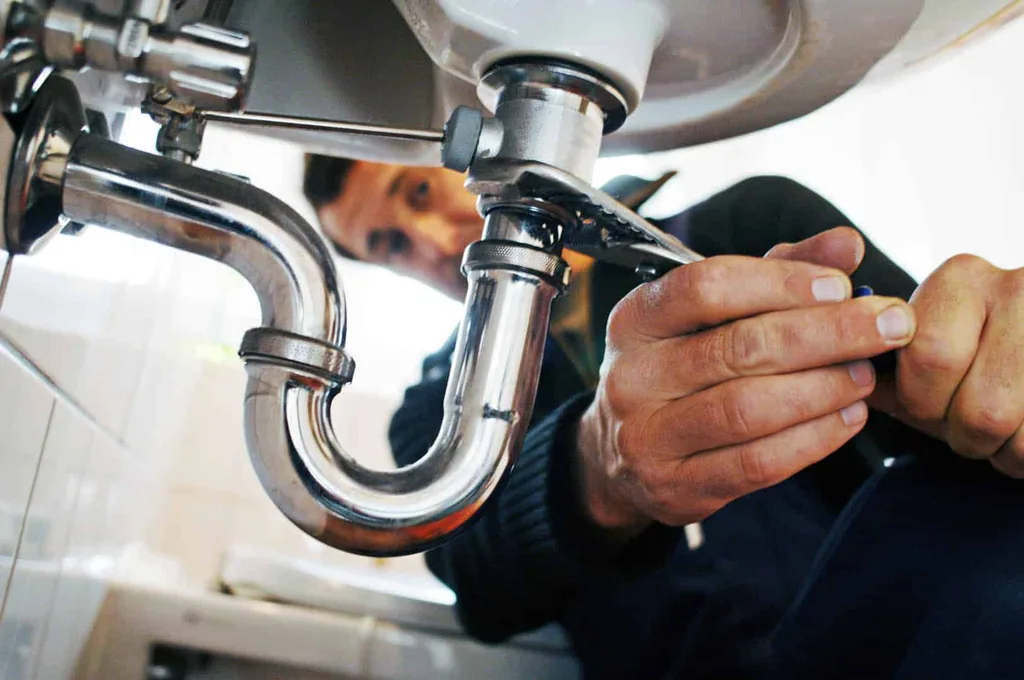
- Dry P-trap or S-trap: Every drain has a curved pipe underneath that holds water to block sewer gas. If the drain hasn’t been used recently, this water evaporates and gas escapes. It happens fast during Adelaide’s hot summers. Guest bathrooms, ensuites, and laundry floor wastes in suburbs like Glenelg, Henley Beach, and West Beach are especially prone when homes sit vacant over holidays.
- Blocked or clogged drain: Hair, soap scum, and organic debris decompose inside your pipes and produce hydrogen sulfide, the gas behind that rotten egg smell. According to SA Water, 22% of Adelaide sewer blockages are caused by preventable buildup, including fats, oils, and food scraps.
- Tree root intrusion: Roots penetrate cracks or joints in underground drain pipes seeking moisture. This is especially common in Adelaide’s tree-lined suburbs like Burnside, Unley, and Norwood, where mature trees meet ageing clay sewer pipes from the 1950s to 1970s. Root intrusion creates partial blockages that trap organic matter and produce persistent odour.
- Dried-out gully trap: A gully trap is an outdoor drain fitting unique to Australian plumbing that holds water to block sewer gas. When it dries out, odours escape into your yard and can drift indoors. SA Water recorded 65 odour complaints from dried gully traps in 2025, most in newer estates in Mawson Lakes, Paralowie, and Elizabeth.
- Damaged or blocked vent pipe: Your plumbing vent allows air to flow through the drainage system and directs sewer gas safely above the roofline. If the vent is blocked by debris, bird nests, or damage, gas has nowhere to go but back through your drains. Gurgling sounds when water drains are a telltale sign of a venting issue.
- Cracked or broken toilet seal: The seal connecting your toilet to the floor drain can deteriorate over time. When it fails, sewer gas escapes at the base of the toilet. Older homes in Prospect, Colonel Light Gardens, and Goodwood where original fittings may be decades old, are more likely to have this issue.
- Damaged sewer main or shared drain: A cracked, collapsed, or displaced sewer pipe deeper in the system can cause a persistent odour that no surface-level fix will resolve. This is more common in suburbs with original clay pipe infrastructure. SA Water’s sewer blockages page explains who is responsible for repairs, depending on where the blockage is located.
Quick Reference: Causes at a Glance
| Cause | Key Warning Sign | DIY Fixable? |
| Dry P-trap or S-trap | Smell from the unused drain | Yes |
| Blocked drain | Slow drainage plus odour | Sometimes |
| Tree root intrusion | Recurring blockages | No |
| Dried gully trap | Outdoor sewer smell | Yes |
| Blocked vent pipe | Gurgling drains | No |
| Broken toilet seal | Smell at the toilet base | No |
| Damaged sewer main | Multiple drains affected | No |
If you need help identifying the cause, Exceed Plumbing offers CCTV drain camera inspection across Adelaide to pinpoint the exact fault without excavation.
How to Find the Source of a Sewage Smell in Your Bathroom
Before calling a plumber, you can narrow down the likely cause with a few simple checks:
Check Whether the Smell Comes from One Drain or multiple.
A smell from a single drain usually means a localised issue like a dry trap or surface-level blockage. If multiple drains in the bathroom, or across the house, smell at the same time, the problem is likely in the shared branch line, vent system, or sewer main. That distinction changes everything about how you fix it.
Run Water in Every Drain You Haven’t Used Recently
This is the fastest test for dry traps. Run water for 30 seconds in every sink, shower, and floor waste, especially those in guest bathrooms, ensuites, or laundries that don’t get daily use. If the smell disappears within an hour, a dried-out trap was the cause.
Inspect Your Outdoor Gully Trap
Find your gully trap, usually located near an outside tap or bathroom wall. Lift the grate and check whether there’s standing water in the bend. If it’s dry, pour a bucket of water directly into it. This is one of the most commonly missed causes of sewer odour in Adelaide homes, particularly during summer.
Listen for Gurgling Sounds
Gurgling from your drains when water flows indicates a ventilation problem or partial blockage further down the line. Under current Australian plumbing standards, every drainage system must have adequate venting. Gurgling means that venting has failed somewhere, and sewer gas is finding an alternative escape route through your drains.
Check the Base of Your Toilet
If the odour is strongest near the toilet, rock it gently. A toilet that moves even slightly likely has a failed seal, allowing sewer gas to escape. This requires a licensed plumber to remove, reseat, and reseal the toilet properly.
DIY Fixes You Can Try Before Calling a Plumber
Some sewer smell issues are straightforward to fix yourself. Here are the safest and most effective methods:
- Refill dry traps with water: Run every tap, shower, and floor waste for 30 seconds. For gully traps, pour a bucket of water directly into the trap. For drains that go unused for weeks at a time, add a small amount of vegetable oil on top of the water to slow evaporation.
- Clean the drain with baking soda and vinegar: Pour half a cup of baking soda into the drain, followed by half a cup of white vinegar. The fizzing reaction breaks down biofilm and minor soap buildup. Cover the drain and wait 20 to 30 minutes, then flush with hot tap water (not boiling, which can damage PVC joints).
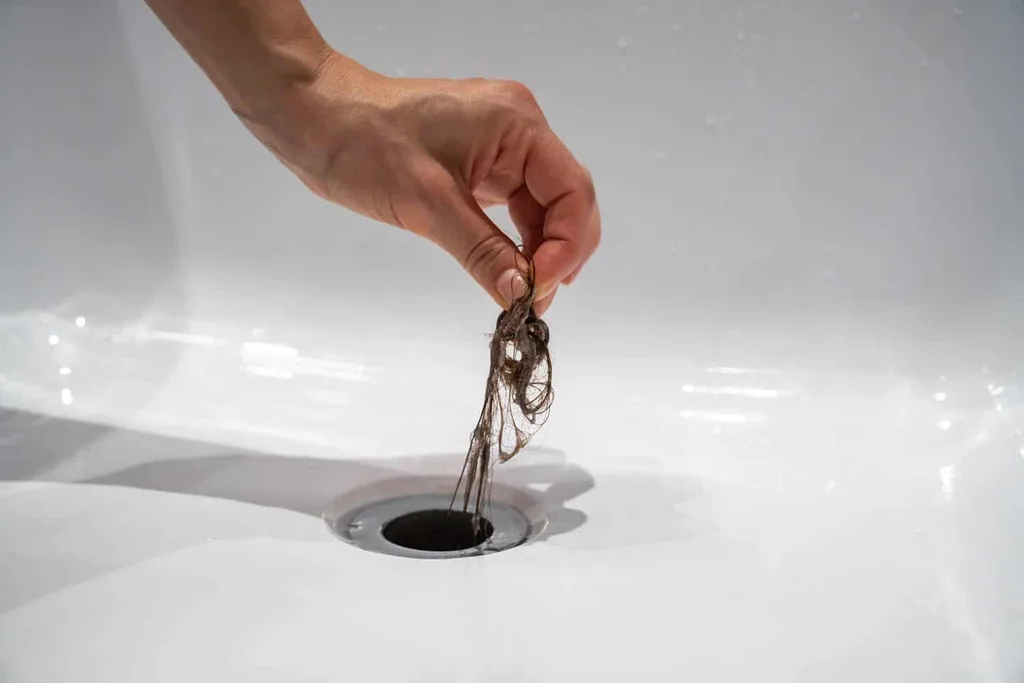
- Remove visible debris from the drain grate: Use a drain cleaning tool or bent wire to pull out accumulated hair and soap from just inside the drain opening. This is especially important for bathroom sink drains and shower wastes.
- Check and clear your gully trap: Remove the grate, clear any leaves or debris, and flush with water. This simple fix resolves many outdoor sewer smell issues in Adelaide homes. Exceed Plumbing recommends checking gully traps monthly during warm months.
- Improve bathroom ventilation: Run your exhaust fan during and for 10 minutes after every shower. Open windows where possible. Poor ventilation traps moisture and allows odours to linger, compounding the perceived smell.
Related: What Are the Common Causes of Blocked Drains?
When a Sewage Smell Means You Need a Licensed Plumber
Not every sewer smell is a DIY fix. Here are the signs you need professional help:
The Smell Persists After Basic Fixes
If refilling traps, cleaning drains, and checking your gully trap haven’t resolved the issue, the cause is likely structural. Cracked pipes, root intrusion, or a failed vent require professional diagnosis. A licensed plumber uses a CCTV drain camera to locate the exact fault without digging up your yard.
Multiple Drains Smell at the Same Time
When two or more fixtures are affected, the blockage or damage is in the shared branch line or sewer main. This is not something you can fix from a single drain opening. It requires a full system inspection.
You Notice Gurgling, Slow Drainage, or Backflow
These symptoms, combined with sewer odour, point to a significant blockage or vent failure. A plumber can hydrojet the line or use mechanical clearing equipment to restore flow. Under the Water Industry Act 2012 (SA), you are responsible for maintaining plumbing on your property up to the SA Water connection point.
What a Licensed Plumber Will Do
A qualified plumber will inspect the P-traps and fittings, run a CCTV drain camera to locate the blockage or damage, hydrojet the line to clear debris and biofilm, and repair or reline any cracked or collapsed sections. In South Australia, all plumbing work must be performed by a licensed plumber under the Plumbers, Gas Fitters and Electricians Act 1995. A certificate of compliance (eCoC) must be issued within seven days, as outlined by the SA Office of the Technical Regulator.
When choosing a plumber, look for a current SA licence, a minimum of several years’ experience with drainage work, transparent upfront pricing, and a written warranty on all work completed. These are signs of a reputable operator.
A recent drain diagnosis job in Adelaide received this feedback from the homeowner: “Caleb is an extremely good operator, he’s clearly a very smart guy and skilled tradesman, is a great communicator, and was very flexible in finding a time to first diagnose, and then fix our drain issue. Will definitely be dealing with Exceed again.” – Stephen K
Why Bathroom Drain Smells Are More Common in Adelaide
Adelaide’s climate, housing stock, and infrastructure create conditions that make sewer odour issues more frequent than in many other Australian cities:
- Hot, dry summers dry out water seals faster: Adelaide averages more than 50 days above 30°C per year (Bureau of Meteorology). P-traps, S-traps, and gully traps evaporate faster in this heat, especially in homes left vacant over holidays.
- Ageing clay pipes in older suburbs: Norwood, Goodwood, Prospect, and Mitcham have housing from the 1950s to 1970s with original clay sewer pipes. These joints crack and shift over decades, allowing root entry and gas leakage.
- Tree-lined suburbs accelerate root intrusion: Burnside, Unley, and Stirling have dense established trees with root systems that penetrate sewer pipe joints, creating blockages that trap organic matter and produce gas.
- Newer developments with underused gully traps: Housing estates in Mawson Lakes and Paralowie often have gully traps connected to outdoor taps that rarely get used. Without regular water flow, the trap dries out.
- SA Water’s 9,000 km sewer network: Some properties experience periodic main sewer issues. SA Water advises reporting strong odours on 1300 729 283. If the issue is on private property, a licensed plumber is needed.
How to Prevent Sewage Smells from Coming Back
Prevention is far cheaper than emergency repairs. Here are the habits that keep drains odour-free:
Run Water Through Unused Drains Weekly
Every drain needs water flowing through it regularly to maintain the trap seal. This includes floor wastes in laundries, guest bathrooms, and garages. It takes 30 seconds per drain. During Adelaide’s summer months, this is the single most effective preventive measure.
Keep Your Gully Trap Topped Up
Check it monthly during warm months. Add water if the trap looks dry. Clear any leaves or debris from the grate. This five-minute check prevents most outdoor sewer smell complaints.
Avoid Flushing Wipes, Grease, and Food Scraps
SA Water’s rule is simple: only flush the four Ps: pee, poo, paper (toilet), and products with proof of flushability certified under Australian Standards. Fats and oils solidify in pipes and form fatbergs. According to SA Water, wet wipes caused two-thirds of property-level blockages in Adelaide.
Schedule Regular Drain Maintenance
For homes with older clay pipes, established trees, or a history of recurring blockages, professional drain cleaning every 12 to 24 months is a worthwhile investment. At Exceed Plumbing, we recommend a CCTV inspection every two to three years for properties in high-risk suburbs. Proactive maintenance costs a fraction of emergency callouts and pipe replacement.
Health and Safety Risks of Sewer Gas in Your Home
A sewer smell is more than unpleasant. The gas itself poses genuine health risks if left unaddressed:
- Hydrogen sulfide exposure: The rotten egg smell from drains is hydrogen sulfide gas. At low concentrations, it causes headaches, nausea, and eye irritation. Prolonged exposure in poorly ventilated bathrooms can worsen respiratory conditions.
- Methane and ammonia: Sewer gas also contains methane (flammable) and ammonia (respiratory irritant). While concentrations from a single drain are typically low, multiple sources in a sealed bathroom increase the risk. The SA Environment Protection Authority provides guidance on understanding wastewater and stormwater systems in South Australia.
- Mould and bacterial growth: A leaking seal or cracked pipe that allows sewer gas often also allows moisture. This creates conditions for mould and bacteria behind walls and under floors, a hidden health risk that worsens over time. Young children, elderly residents, and anyone with asthma are more susceptible. If household members experience unexplained headaches that improve when they leave the house, sewer gas exposure should be investigated by a licensed plumber.

Adelaide Suburbs We Service
Exceed Plumbing services the entire Adelaide metropolitan area for drain diagnostics and blocked stormwater drain solutions. We cover Salisbury, Mawson Lakes, Morphett Vale, Norwood, Goodwood, Linden Park, Modbury, West Lakes, Fulham Gardens, Mount Barker, Blackwood, Paralowie, Elizabeth, Golden Grove, Noarlunga, Happy Valley, Prospect, Colonel Light Gardens, Magill, Burnside, West Beach, Stirling, Mitcham, and every suburb in between. We aim to reach you within the hour, 24/7.
Get Rid of That Sewage Smell for Good
If your bathroom drain still smells like sewage after trying the fixes in this guide, or if the odour keeps returning, it is time to get a professional diagnosis.
Call Exceed Plumbing on 0456 461 354 for a same-day drain diagnosis across Adelaide. We use CCTV drain cameras and hydrojet cleaning to find and fix the source, not just mask the smell. Check our recent customer reviews on Google to see why Adelaide homeowners trust us with their plumbing.
- 24/7 service, aiming to reach you within the hour
- Fixed upfront pricing, no surprises
- Fully licensed and insured (Licence #333997)
- Guaranteed workmanship on every job
Frequently Asked Questions
Why does my bathroom drain smell like sewage?
The most common cause is a dry P-trap, where the water seal inside the drain has evaporated, allowing sewer gas to escape into your bathroom. Blocked drains, damaged seals, and cracked pipes are other frequent causes. In Adelaide, hot summers accelerate trap evaporation, making this a common seasonal issue.
Is a sewer smell in the bathroom dangerous?
Yes. Sewer gas contains hydrogen sulfide and methane. Low-level exposure causes headaches and nausea. Prolonged exposure can worsen respiratory conditions, particularly in children, elderly residents, and those with asthma. Persistent smells should be investigated by a licensed plumber.
How do I get rid of a sewage smell in my bathroom?
Start by running water in all drains for 30 seconds to refill the traps. Clean with baking soda and vinegar. Check your outdoor gully trap and top it up if dry. If the smell persists after these steps, a professional CCTV drain inspection is recommended to identify the source.
Why does my bathroom floor drain smell like sewage?
Floor wastes (floor drains) dry out fastest because they receive the least regular water flow. In Adelaide, this is especially common in laundries, ensuites, and garages during summer. Running water through the drain weekly prevents the trap from drying out.
What is a gully trap and can it cause sewer smells?
A gully trap is an outdoor drain fitting that holds water to create a seal blocking sewer gas. It is a standard part of Australian residential plumbing. When it dries out, which happens often in Adelaide’s hot climate, odours escape. SA Water recorded 65 gully trap odour complaints in Adelaide in 2025, mostly in newer developments.
When should I call a plumber for a smelly drain?
Call a licensed plumber if DIY fixes have not resolved the smell, if multiple drains smell at the same time, or if you notice gurgling, slow drainage, or water backing up. In South Australia, all plumbing work must be performed by a licensed plumber under the Plumbers, Gas Fitters and Electricians Act 1995.