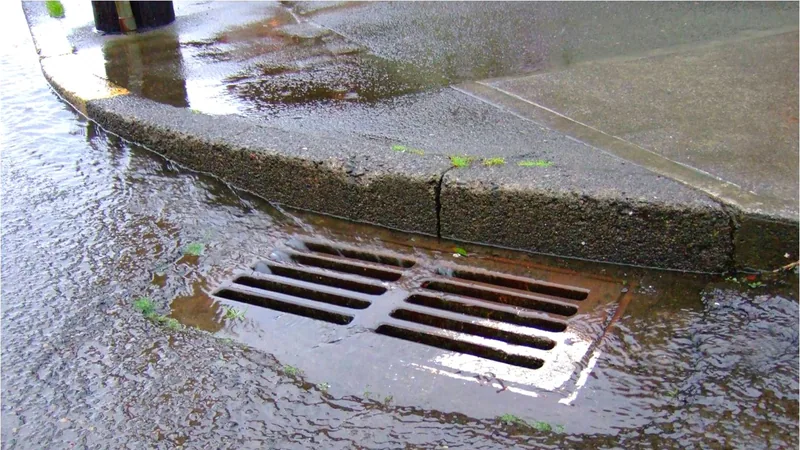

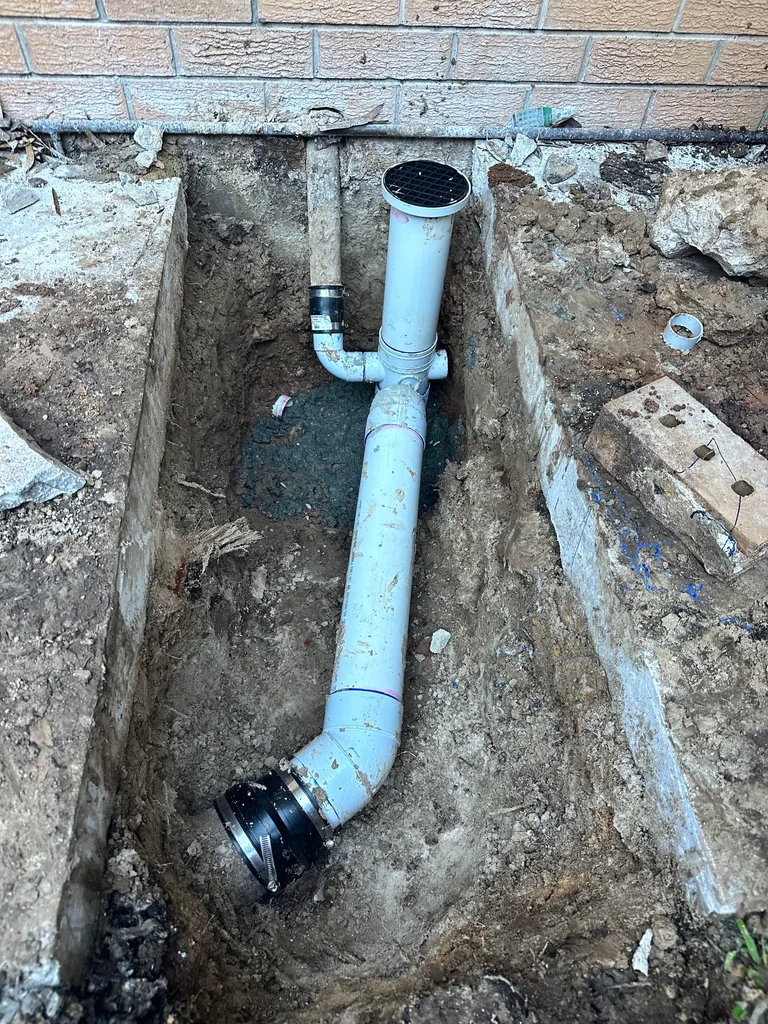
An overflow relief gully lets sewage spill into the yard when the sewer blocks, instead of backing up inside your home. Sometimes called a gully trap, it’s the grated drain fitting outside the house that gives a blocked sewer somewhere safe to overflow.
At Exceed Plumbing, we start with SA Water’s rule: the gully top should sit 150 mm below the internal finished floor level and 75 mm above unpaved ground. Overflows go to SA Water’s 24/7 line on 1300 729 283, a licensed plumber investigates pipes on your property, and SA Water clears its own. This guide covers finding the gully, the height rules, why it overflows, who fixes what and how to keep it working.
What an Overflow Relief Gully Does on an Adelaide Property
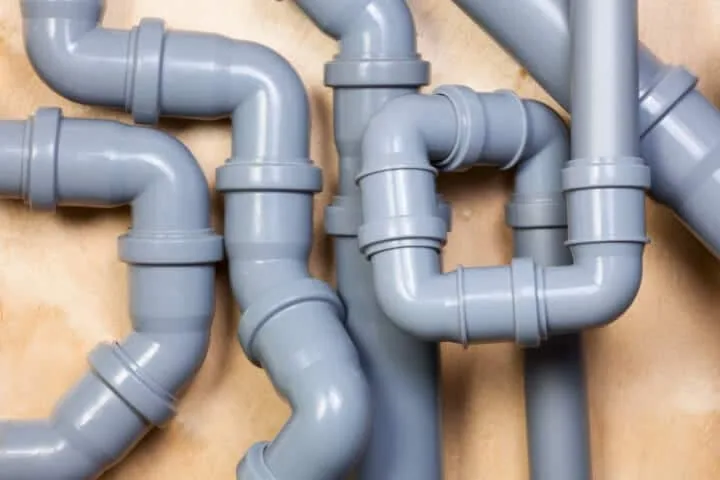
Sewage in the garden is unpleasant, but it’s exactly what your drainage was built to do. An overflow relief gully gives a blocked sewer a release point outside the house:
When a sewer pipe blocks, wastewater backs up behind the blockage until it finds a way out. Because SA Water’s rule sets the gully lower than your internal floor, the overflow should surface in the yard rather than inside the house.
SA Water states the purpose plainly: an overflow relief gully is there to minimise internal sewage overflows by making them occur outside the building. In other words, a sewage overflow outside the house is the gully doing its job, not failing at it.
Without a working gully, a blocked sewer has no outside spill point. That leaves exactly the internal sewage overflow SA Water’s rule is written to prevent.
Urban Utilities, the Queensland water utility, says to check the grate “is loosely fitted and can easily pop off”. It also says houses with multiple bathrooms may have more than one overflow relief gully. Both points are Queensland guidance rather than SA rules, but they’re worth checking at home.
Finding the Overflow Relief Gully and Inspection Opening
Start outside the bathroom or laundry wall, where interstate utilities say the gully usually sits. A quick look tells you whether a fitting is the gully or an inspection opening:
Urban Utilities (QLD) says it’s “usually near the laundry”, while Power and Water (NT) points to the bathroom or laundry external wall. An inspection opening nearby is a different fitting: a capped access point on the drain, not an overflow point.
The two are easy to confuse. On one renovation forum, a homeowner saw water push out of a fitting whenever the toilet flushed. Replies said it was an inspection opening, not a gully.
The Office of the Technical Regulator (OTR) says internal as-constructed sanitary drainage plans are hosted on the WebMap system. According to the OTR, you can search by street address or the 10-digit valuation number, which is also your SA Water account number. If the property shades orange, the OTR says to click it and choose “find drainage plans for this property” to download the plan.
SA Water Height Rules for an Overflow Relief Gully
SA Water’s overflow relief gully height rule uses two levels at once. The gully top sits 150 mm below the internal finished floor level and 75 mm above unpaved ground:
- Unpaved: set the top of the gully 150 millimetres below the internal finished floor level and 75 millimetres above the outside unpaved area ground level.
- Paved: the same 150 mm below the floor, with the top “at a level that will stop water on the paved path from entering it”.
- Both: “surrounding ground should be graded away from the building so overflows can’t flow back towards the building”.
That 150 mm gap keeps the grate lower than your floor, so a sewer surcharge reaches the yard before the house. SA Water measures from the internal finished floor level, whereas interstate guidance in Victoria and NSW uses “the lowest fixture connected to the drain”.
If those heights can’t be met, SA Water says you may need to alter the paving or install a reflux valve. A reflux valve “stops sewage from the sewer entering your drain”, but it “requires regular maintenance to ensure continuous operation”. It’s also “recommended only when an overflow relief gully cannot be installed or meet these guidelines”, so the valve is strictly a fallback.
Why an Overflow Relief Gully Overflows
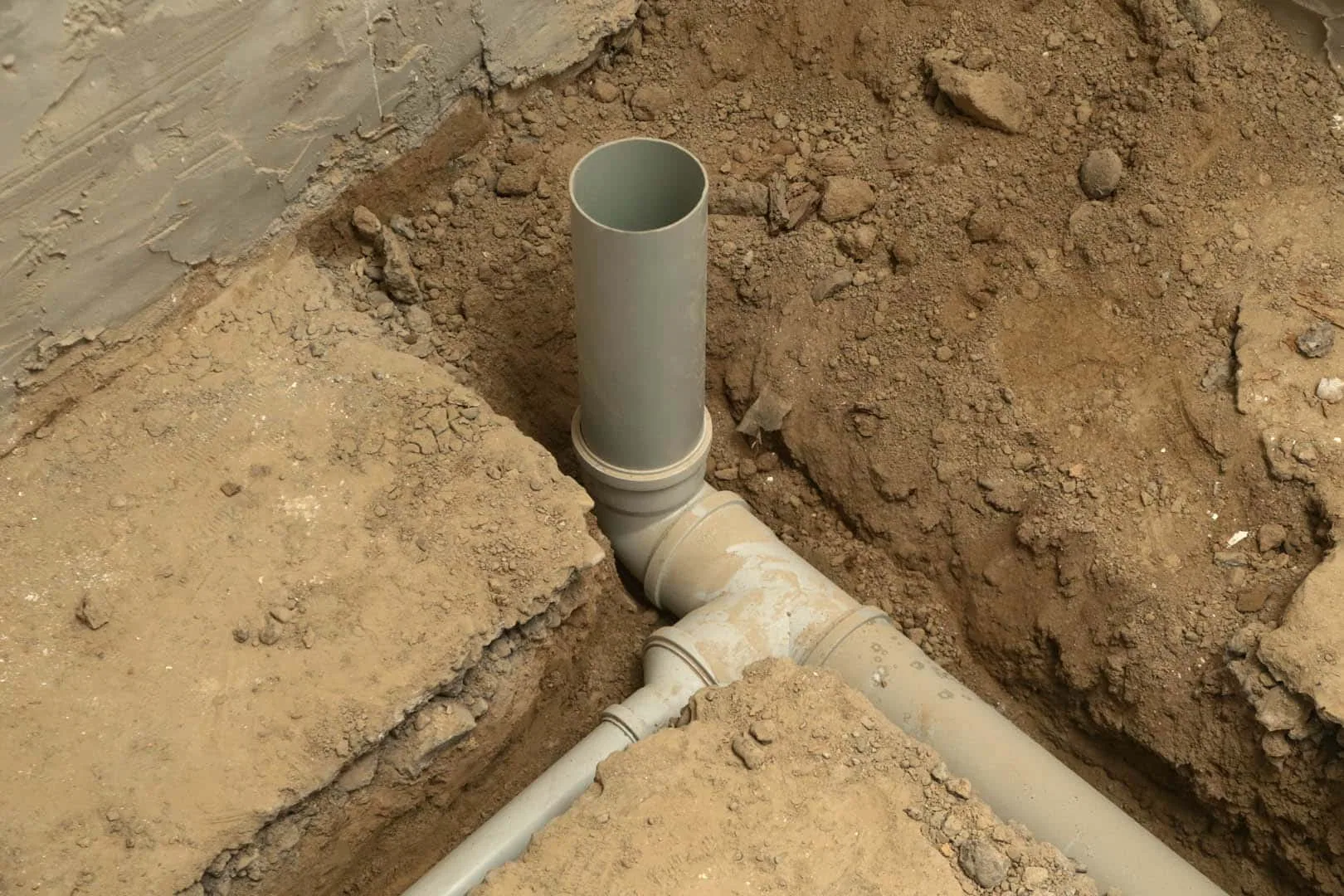
Why does the gully overflow when nothing inside looks blocked? It’s doing its job during a sewer blockage or surge, and SA Water lists four blockage causes, in this order:
- Tree roots
- Fat, oil or grease build-ups
- Foreign objects
- Sewer line collapse
SA Water also flags wet wipes. Its page notes that “While toilet paper breaks down in around 30 seconds, wet wipes don’t easily disintegrate”.
An overflow that arrives with a storm points to a different problem. SA Water says “It is illegal to direct storm water from your roof or property into your sewage drain”. The network isn’t designed for stormwater, and that extra water can cause overflows during heavy rain.
Public stormwater drains are a separate system, and SA Water says they’re the responsibility of your local council. A blocked stormwater drain on your own block is a different job from a sewer blockage.
If the gully is missing, buried under a garden bed or set too high, the overflow has nowhere outside to go. That’s the exact risk SA Water says the gully exists to minimise: internal sewage overflows: without a gully, a blocked sewer drain can become an indoor clean-up.
More: What Are the Common Causes of Blocked Drains?
Who Fixes a Sewer Overflow in South Australia
Sewage spilling across the yard is a phone call first, not a DIY job. SA Water’s Customer Care Centre takes overflow calls 24/7 on 1300 SA WATER (1300 729 283):
SA Water says it treats these cases as a priority. The next question is where the blockage sits, because that decides who clears it:
- In your pipes: SA Water suggests a licensed plumber investigates the blockage.
- In SA Water’s pipes: your plumber contacts SA Water, which sends its own team to clear the blockage.
SA Water’s wording is blunt: “Plumbers are not allowed to work on any of our infrastructure.” You can also report a suspected fault in its pipes yourself through SA Water’s Faults and outages map.
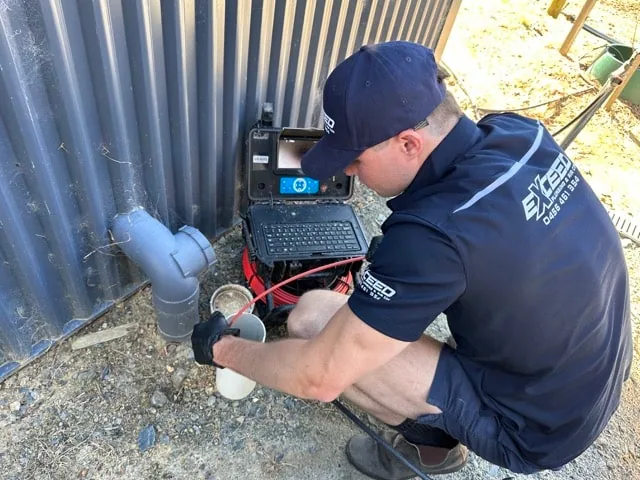
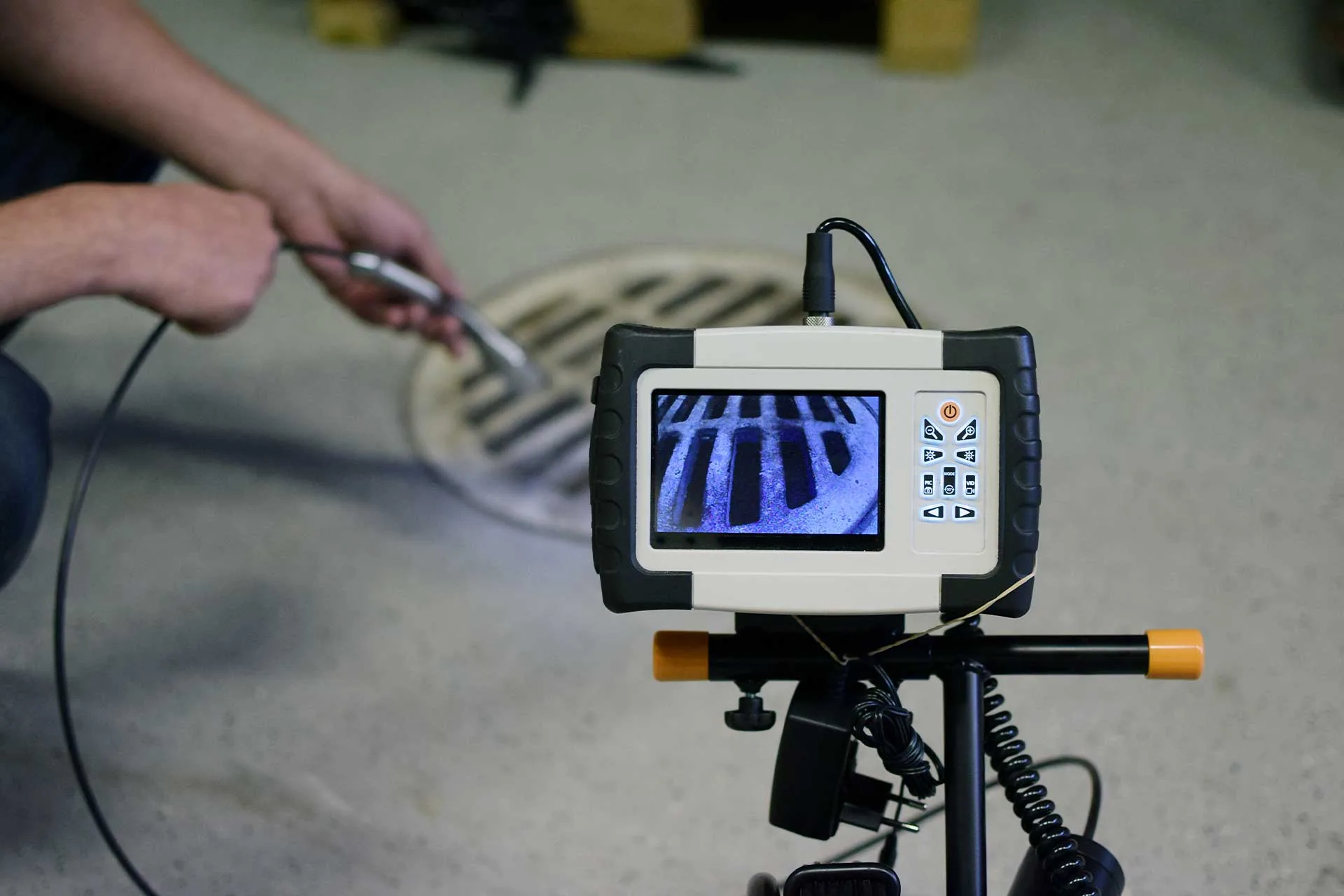
Our plumbers at Exceed Plumbing run a CCTV drain camera through the line to see where the blockage sits. If it’s in your pipes, we clear it, using methods such as hydro jet drain cleaning. Where it’s in SA Water’s, the plumber reports it and gets a job number.
The job number matters because plumbers make sewer blockage claims on behalf of their customers. The claim form is completed at the property with your signature and lodged within 60 days of the work. SA Water processes it within 20 days from the date of invoice.
More: Why Does My Bathroom Drain Smell Like Sewage and How to Fix It
Keeping an Overflow Relief Gully Working
An overflow relief gully only works if sewage can escape and drain away from the house. Three quick checks keep yours ready, and any alteration belongs with a licensed plumber:
- Keep it uncovered: two interstate bodies say so. Victoria’s Building and Plumbing Commission says it “Must not be enclosed”, and Urban Utilities (QLD) wants garden beds and pot plants kept off it.
- Let the grate lift: Urban Utilities (QLD) wants it loosely fitted so it can easily pop off.
- Keep stormwater out: SA Water says piping stormwater into the sewage drain is illegal.
Moving, raising or replacing a gully isn’t on the SA.GOV.AU DIY plumbing list, where drain clearing stops at wastewater drains under 50 mm. By law, work from the sewer main connection point to your home’s pipework needs a licensed plumber.
Your plumber must then issue a certificate of compliance (eCoC) to you and the OTR within seven days. Where in-ground sanitary drainage was installed or altered, an as-constructed drainage plan must also reach you and the OTR within seven days.
If a drain replacement means the gully has to move, our own licensed team can provide a free quote.
More: Why Do Drains Keep Blocking in Prospect?
Conclusion on Overflow Relief Gullies
An overflow relief gully protects the inside of your home by giving sewage somewhere outside to go. Three SA Water points cover its purpose, its placement and who to call:
- Purpose: the gully is the planned spill point. Sewage on the lawn means it has kept the overflow outside, which is exactly what SA Water intends.
- Placement: SA Water wants the top 150 mm under your internal floor and 75 mm clear of unpaved ground. The ground around it should fall away from the house.
- Responsibility: ring SA Water’s 24/7 line for an overflow and a licensed plumber for pipes on your property. SA Water’s own pipes stay with SA Water.

Adelaide Suburbs We Service
Our team at Exceed Plumbing clears blocked sewers and stormwater drains across Adelaide. We’re based in Payneham South, and our licensed plumbers attend homes throughout the wider metro area, including:
Norwood plumbing, Burnside plumbing, Magill plumbing, Prospect plumbing, Mitcham plumbing, Salisbury plumbing, Modbury plumbing and West Lakes.
Wherever you are, moving or raising a gully is licensed plumbing work. The plumber must issue an eCoC within seven days, plus an as-constructed drainage plan for in-ground drainage.
Book a Blocked Sewer Plumber in Adelaide
When the blockage sits in the pipes on your property, SA Water suggests calling a licensed plumber to investigate. Our plumbers cover homes right across Adelaide, and every customer gets:
- Lifetime Labour Warranty on our workmanship
- Fixed upfront pricing and free quotes
- Our own licensed team, with no subcontracting
- Available 24/7, aiming to reach you within the hour
If the fault is in SA Water’s pipes, SA Water clears it. Call Exceed Plumbing on 0456 461 354 to book a blocked sewer plumber in Adelaide.
Frequently Asked Questions About Overflow Relief Gullies
What is an overflow relief gully?
An overflow relief gully is the grated drain fitting outside your home that lets sewage spill into the yard when the sewer blocks. SA Water says it exists so internal overflows happen outside.
Why is my overflow relief gully overflowing?
Your gully overflows when the sewer is blocked. SA Water lists tree roots, fat, oil or grease, foreign objects and sewer line collapse. Illegally piped stormwater can also cause overflows in heavy rain.
Who do I call if sewage is overflowing in my yard?
Call SA Water on 1300 729 283, open 24/7 for sewage overflows. A licensed plumber handles pipes on your property, and SA Water clears any blockage in its own.
How high should an overflow relief gully be in South Australia?
SA Water says the top of the gully should sit 150 mm below the internal finished floor level and 75 mm above unpaved ground. On paving, it’s set so path water can’t run in.
Can I move or raise my overflow relief gully myself?
No. Moving or raising a gully isn’t on South Australia’s DIY plumbing list. A licensed plumber does the work and issues an eCoC to you and the OTR within seven days.
Does Exceed Plumbing clear blocked sewer drains in Adelaide?
Yes. Our licensed team at Exceed Plumbing clears blocked sewer drains across Adelaide 24/7, and our CCTV camera shows where the blockage sits. If it’s in SA Water’s pipes, SA Water clears it instead.