
When you turn on the shower and the water barely flows, it is frustrating and disruptive. Understanding why your shower water pressure low issues occur helps you restore comfort and avoid hidden plumbing problems. This guide explains the common causes behind weak pressure and shows how to approach the issue in a safe, practical way.
Low pressure problems happen more often than most people realise, especially in older homes or properties with ageing fixtures. This summary outlines what influences shower flow, how to diagnose the issue, and what steps you can safely take before calling a professional plumber. It also highlights when low shower water pressure is a sign of a deeper plumbing fault.

Understanding Why Shower Pressure Drops
Shower pressure can weaken for several reasons, and knowing the possible sources helps you solve the problem faster while avoiding unnecessary repairs or assumptions that could delay the right fix:
Common Indoor Plumbing Issues
A range of internal plumbing faults can contribute to low shower water pressure, including outdated pipework, corroded fittings, or sludge inside supply lines. These problems gradually restrict flow and make pressure unpredictable, especially in showers located far from the water inlet. Understanding these elements helps you narrow down the most likely cause.
Outdoor Supply or Mains Problems
Sometimes the issue comes from outside the home, such as street-level mains water pressure issues or scheduled maintenance affecting your neighbourhood. These situations often cause sudden pressure drops across multiple fixtures. If the issue appears in taps as well as the shower, external supply conditions are a likely factor.
How Hot Water Systems Affect Pressure
Hot water units can also influence flow, especially when ageing components restrict movement inside the system. A failing valve, debris in filters, or partial blockages can reduce pressure and create inconsistent temperature and flow. These common plumbing faults cause noticeable changes in both hot and cold water, impacting the shower’s overall performance.
Causes of Low Shower Water Pressure
Multiple underlying reasons can create pressure issues, and understanding each one helps you diagnose the problem safely and efficiently before attempting any fixes:
Mineral Buildup Inside Fixtures
Shower heads often collect mineral deposits that accumulate over time, limiting water flow. This can lead to a blocked shower head causing low pressure, especially in areas with hard water. As deposits thicken, they reduce spray strength and create uneven or weak water distribution, making the shower feel far less effective.
Partially Closed or Faulty Valves
Household valves can accidentally be left slightly closed, or they may wear down with age, reducing the amount of water reaching your shower. A simple pressure limiting valve check often reveals if flow is being restricted. If the valve is damaged or obstructed, pressure will continue dropping until a repair is completed.
Hot Water System Restrictions
Over time, hot water systems can develop internal blockages or component issues that cause weak water flow in shower fixtures. Sediment buildup, clogged strainers, and worn valves can all reduce output. These restrictions often affect only the hot water side, making shower pressure appear inconsistent or unbalanced between temperatures.
Pipe Damage or Hidden Leaks
Leaking or deteriorating pipes reduce flow at the shower and create water damage risks. Even a small leak can divert significant pressure away from the fixture. When a leak is present, pressure problems usually worsen quickly. This is a clear sign to call a licensed plumber for a proper plumbing inspection and safe repair.

How to Fix Low Shower Water Pressure
There are several ways to fix low shower pressure, depending on what is causing the issue, and each method helps narrow down whether the problem is something you can address yourself or if a professional needs to step in:
Clean the Shower Head Thoroughly
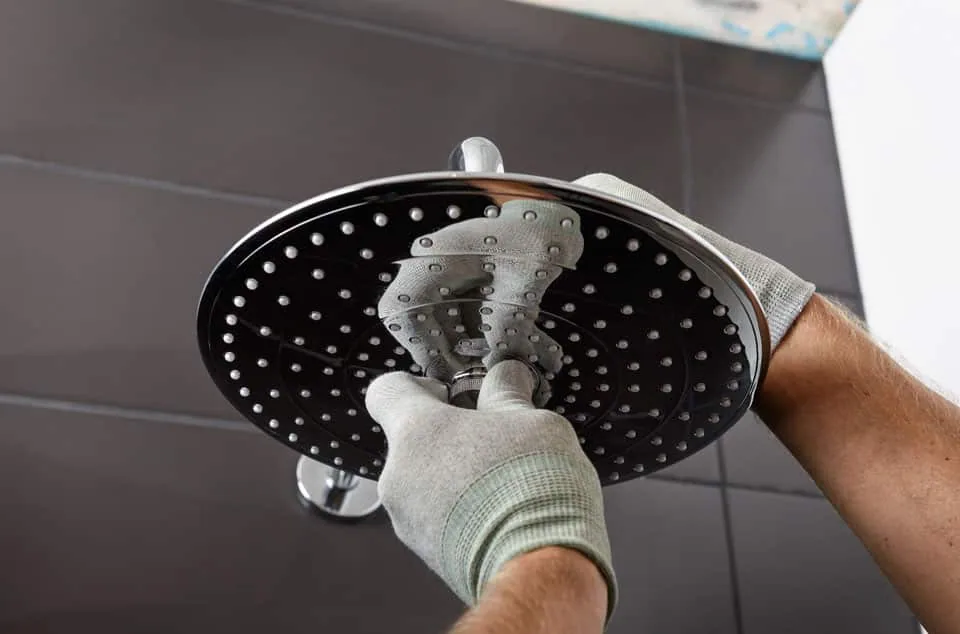
Start by removing the shower head and soaking it in a descaling solution. This helps dissolve mineral buildup that restricts flow. Once cleaned, rinse thoroughly and reinstall it to check the improvement. A simple cleaning often restores strong pressure when the restriction is caused by trapped debris or limescale.
Check Isolation and Stop Valves
Inspect the isolation valves around the home to ensure they are fully open. A valve that is partially closed can reduce water flow to the shower. Gently turning each valve to its open position allows water to travel freely through the pipes and can resolve pressure issues without further repair work.
Inspect for Hot Water System Issues
Examine your hot water unit for signs of blockages, sediment buildup, or failing components. Filters and strainers often collect debris that slows water movement. If pressure improves when using cold water but remains weak during hot showers, the hot water system may need servicing to restore balanced pressure.
Try a Pressure-Balancing Adjustment
Some homes experience uneven pressure because other fixtures compete for supply. Adjusting or replacing a pressure-balancing valve can help the shower maintain steady output. This can be especially useful in multi-storey homes or properties with older pipework that makes pressure shifts more noticeable during everyday use.
When DIY Is Safe or Unsafe
While simple checks and cleaning are generally safe, many plumbing repairs require a licensed professional under South Australian regulations. Anything involving pipe alterations, valve replacements, or hot water systems should not be done by unlicensed residents. Calling a professional ensures the system remains safe, compliant, and properly repaired.
When to Call a Licensed Plumber
If the problem continues after basic troubleshooting, it often indicates a deeper plumbing fault that requires expert attention to avoid further issues and make sure the repair follows Australian standards:
Pressure Issues Lasting More Than 24 Hours
If poor pressure persists after cleaning and valve checks, there is likely a deeper problem affecting your water supply. Extended issues may indicate leaks, valve failures, or internal blockages. A plumber can investigate these conditions thoroughly and ensure the system is restored to safe, consistent performance without unnecessary delays.
Signs of Deeper System Damage
If pressure problems worsen or spread to multiple fixtures, the system may have a serious obstruction or structural issue. These types of shower pressure problems often indicate ageing pipes or internal corrosion. A plumber can identify whether the fault is localised or system-wide and provide a safe, compliant repair based on current regulations.
Evidence of Leaks or Valve Failure
A sudden drop in pressure can signal leaks behind walls or underground, or a valve that is no longer performing correctly. These faults disrupt flow and cause persistent pressure loss. A licensed professional can assess valves, seals, and joints to prevent further damage and restore consistent supply throughout the home.
Hot Water Pressure Imbalances
If hot water pressure is significantly lower than cold, the issue usually originates in the hot water system. Sediment, worn components, or heat-related strain can restrict output. These conditions reduce overall performance, and a specialist can determine whether servicing or replacement is necessary to prevent ongoing weak water flow in shower fixtures.
Compliance or Regulatory Concerns
Some plumbing tasks require careful adherence to Australian plumbing standards, especially when dealing with valves, hot water systems, or pipework. When you suspect a compliance issue, it is essential to arrange professional help.
How Plumbers Diagnose Low Shower Pressure
Licensed plumbers use specialised tools and safety procedures to identify the cause of shower water pressure low issues, ensuring accurate repairs and preventing further problems from developing:
Conducting System-Wide Pressure Testing
A plumber performs pressure tests to check the strength and consistency of flow across the property. This helps identify leaks, restrictions, or areas where pressure drops unexpectedly. Choosing a plumber for low water pressure ensures the diagnosis is accurate and follows the correct assessment process for South Australian homes.
Checking Fixtures, Isolation Valves, and Strainers
Professionals inspect every point where pressure could be disrupted, including isolation valves, strainers, and shower fittings. Even small obstructions can reduce flow significantly. A full inspection helps identify whether the problem is isolated to the shower or part of a broader plumbing issue affecting multiple areas of the home.
Assessing Hot Water Unit Performance
The plumber examines your hot water system to see if sediment, debris, or worn parts are restricting output. These issues often create shower pressure problems that fluctuate between hot and cold. A thorough assessment helps determine whether your system needs cleaning, repairs, or a more advanced solution to restore consistent performance.
Inspecting Pipes for Hidden Leaks
Leak detection tools help locate water loss behind walls, under floors, or outside the home. Small leaks can create significant pressure drops, especially during peak usage. Once found, the plumber will repair or replace affected sections to restore strong, uninterrupted flow and protect the home from further structural damage.
Preventing Pressure Problems in the Future
Simple maintenance habits help prevent low shower water pressure from returning, reduce long-term plumbing costs, and keep the system running smoothly:
Regular Shower Head Cleaning
Cleaning the shower head every few months prevents mineral buildup and keeps water flowing evenly. This reduces the risk of blocked shower head causing low pressure and ensures consistent performance. Regular maintenance helps extend the life of the fixture and keeps pressure levels steady over time.
Annual Hot Water Servicing
Hot water systems work hard, and servicing them once a year prevents sediment accumulation, blockage, or wear that leads to shower pressure problems. A technician can clean filters, test valves, and ensure heating components remain in good condition. This reduces breakdowns and maintains steady pressure throughout your home.
Valve Inspections and Adjustments
Routine inspections help ensure valves remain fully open and in good condition. Misaligned or partially closed valves can create slow flow and inconsistent pressure. Regular checks, including a pressure limiting valve check, prevent small issues from growing into more significant disruptions that affect the entire plumbing system.
Final Thoughts
Understanding why shower water pressure low problems occur helps you identify whether the issue is simple or something requiring professional attention. By learning the most common causes and how to safely troubleshoot them, you can restore comfort in your bathroom more quickly. Staying aware of hot water, valves, and potential leaks ensures long-term performance and protects your home from unnecessary damage.
When pressure problems persist, it is important to seek help before they become more serious. Licensed plumbers have the tools and experience to locate the source of the issue and restore your system safely. Whether it is a blockage, valve fault, or deeper plumbing problem, taking action quickly ensures your shower remains reliable and enjoyable every day.

Need Fast Help With Low Shower Water Pressure?
If you have ongoing pressure issues or need a specialist to diagnose the cause, help is available. For expert repairs, strong water flow, and reliable solutions across Adelaide, contact Exceed Plumbing & Air Con. A licensed plumber for low water pressure will inspect your system and provide safe, compliant repairs. Call 0456 461 354 for fast support today.