
Dealing with low water pressure at home can be frustrating, especially when your taps only produce a weak flow or your shower feels far less powerful than usual. Many Australian households experience this issue at some point, and the reasons behind it can range from simple blockages to deeper plumbing faults. Understanding the early signs, common causes, and safe steps to troubleshoot the problem can help prevent larger issues from developing.
If you are suddenly dealing with low water pressure at home, the issue may be caused by blocked fixtures, pipe corrosion, valve problems, leaks, or hot water system faults. Some cases are easy to inspect on your own, while others require professional diagnosis and plumbing services.
This quick guide explains the most common reasons for pressure loss, the steps you can try safely, and the warning signs that indicate it is time to bring in an expert.

What Low Water Pressure Means for Your Home
Low water pressure at home affects more than just convenience. When water pressure at home is low, it often signals an underlying issue in your plumbing system. You may notice taps taking longer to fill a sink, showers feeling weak, or appliances such as dishwashers and washing machines working less effectively. These symptoms can appear gradually or develop suddenly depending on the cause.
Low pressure matters because it can hide bigger problems. Reduced flow may indicate the early stages of pipe corrosion, a partially blocked fixture, a faulty valve, or a developing leak somewhere in the property. In some homes, pressure drops reveal issues with ageing hot water systems or supply changes within the street. Leaving the issue unaddressed can eventually cause appliance strain, water damage, or inconsistent hot water.
Homeowners should take low pressure seriously, especially if multiple fixtures are affected at the same time. A single weak tap can point to a minor issue, but pressure loss across the property suggests something more significant. If basic checks do not resolve the problem, calling a licensed plumber ensures the issue is diagnosed safely and prevents further complications.
Common Causes of Low Water Pressure
Understanding the most common causes of pressure loss helps homeowners identify whether the problem is localised, developing slowly over time, or connected to a more serious issue that requires professional attention:
Blocked or Clogged Fixtures
Mineral deposits, debris, and sediment can collect inside aerators or tap filters and gradually restrict water flow. When water pressure in house is low, these small blockages are often the first place to check. Many Australian homes experience mineral build-up around taps due to hard water. Cleaning an aerator can improve flow temporarily, but if several fixtures remain weak or the issue returns quickly, a deeper obstruction or pipe problem may require attention from a licensed plumber for accurate diagnosis and repair.
Internal Pipe Damage or Corrosion
Older plumbing systems gradually deteriorate from corrosion, rust, and mineral accumulation inside the pipes. When you notice low water pressure in house, narrowing within ageing pipes is a common cause, especially in properties that have not undergone plumbing upgrades for many years. Corroded pipes can also affect water quality and may eventually leak or burst.
Supply Issues or Partially Closed Valves
Pressure problems sometimes come from outside the home rather than inside the plumbing system. When there is poor water pressure in house, a partially closed main isolation valve or boundary valve may be restricting the flow. These valves are easily bumped during gardening, renovations, or meter checks. Water authorities may also carry out maintenance that temporarily reduces flow.

Sudden Drops in Water Pressure
A sudden loss of pressure usually points to more urgent problems. When you notice sudden low water pressure in house, it can indicate a burst pipe, a major leak, or a failing hot water system. Sudden pressure changes rarely resolve on their own and should be treated as potential emergencies.
Large leaks in walls, ceilings, or underground can cause water to escape rapidly, reducing the flow to fixtures. These leaks often develop without visible signs until damage becomes severe. Hot water units can also cause sudden drops when internal components fail, especially in older systems. Pressure relief valves, heating elements, or internal blockages may cause the system to deliver weak or inconsistent flow.
A rapid pressure drop is different from gradual weakening. If flow changes noticeably in a short amount of time, turn off your main isolation valve immediately and check for signs of leaks, damp areas, or water pooling. Do not attempt to dismantle fixtures or open pipework yourself. Sudden pressure loss often requires professional inspection to prevent structural damage or electrical hazards, and licensed plumbers will assess the issue in line with recognised Australian plumbing standards.
Troubleshooting Water Pressure Problems
Homeowners can safely investigate several simple causes of weak water flow before calling a licensed plumber, and checking these areas helps determine whether the issue is minor, localised, or part of a larger plumbing problem that requires professional tools or testing:
Check Individual Fixtures
Start by testing each tap and shower separately to see if only one location is affected. When water pressure weak in house appears in a single fixture, it often suggests a local blockage. If several fixtures show reduced flow, a deeper plumbing issue may be developing that needs further assessment.
Inspect Aerators and Filters
Remove and rinse tap aerators to clear trapped debris, minerals, or sediment. This is a common cause of weak flow in kitchens and bathrooms. If your home still shows signs of how to fix low water pressure at home after cleaning these parts, the issue may be within pipes or valves rather than at the fixture.
Check the Main Isolation Valve
Ensure the main valve near your water meter is fully open. Partially closed valves limit water entering the home and reduce flow across all fixtures. If turning the valve completely open does not improve pressure, the problem may lie within the plumbing system and require professional investigation to avoid further complications.
Assess Your Hot Water System
Hot water systems can cause pressure problems when internal components fail or block. If hot water is weak but cold water remains strong, your system may need service. Avoid opening panels or parts yourself, as these units contain electrical and pressurised components. A licensed plumber should inspect the system safely.
Look for Visible Leaks
Walk through your home and check for damp areas, pooling water, mould odors, or hissing pipe noises. Leaks divert water away from fixtures and reduce pressure significantly. Finding evidence of water damage means the issue is serious and requires immediate attention to prevent structural issues or widespread plumbing deterioration.
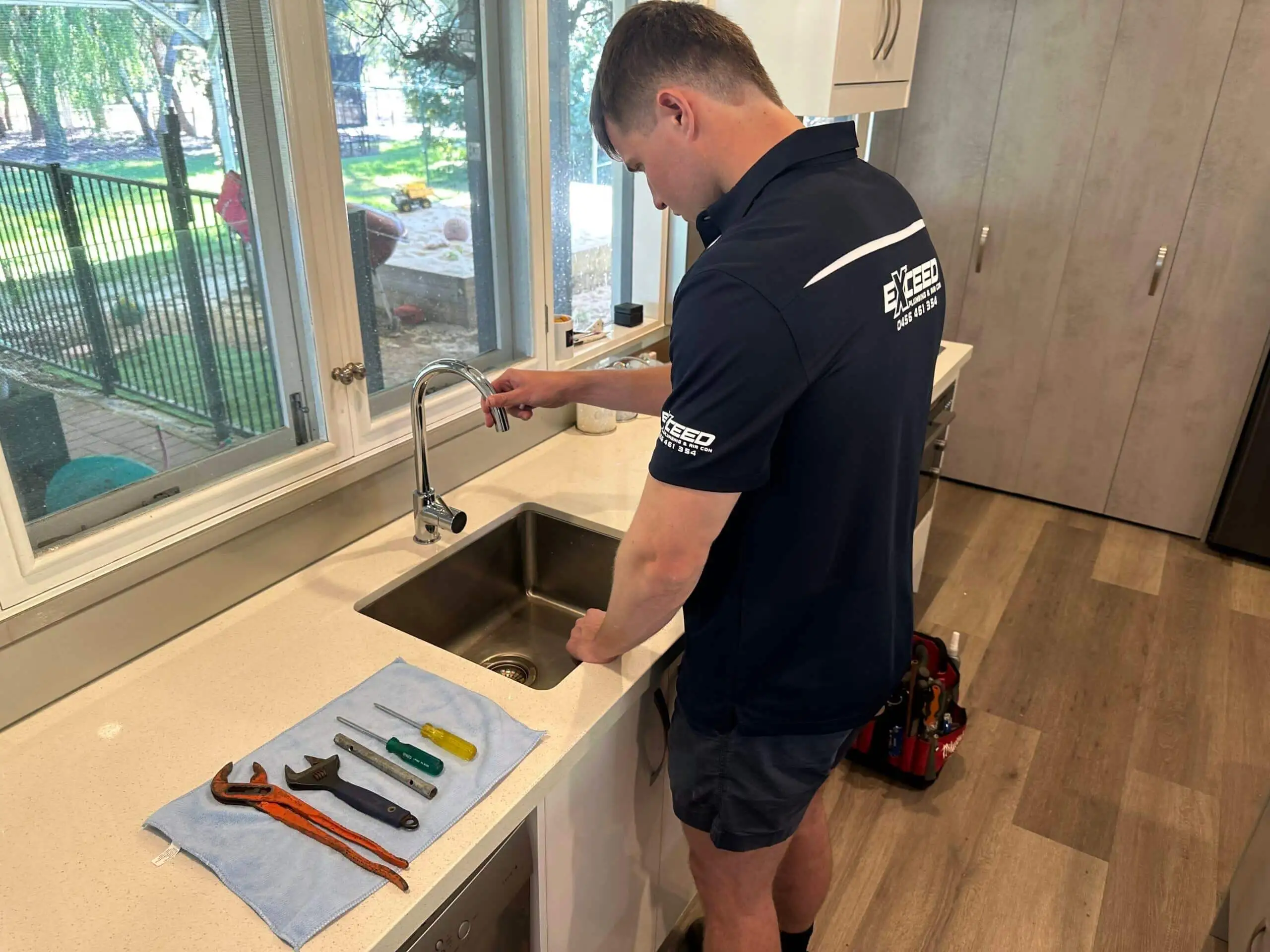
When Low Pressure Signals a Bigger Issue
Lower water pressure can sometimes indicate a more serious plumbing issue that requires immediate professional attention rather than simple troubleshooting. Problems such as internal leaks, failing hot water components, pipe corrosion, or supply line damage can significantly restrict flow and may escalate quickly if left unresolved. Recognising when low pressure reflects a larger problem helps protect your home from further damage and ensures all plumbing systems continue operating safely.
If troubleshooting does not improve the situation or pressure continues to decline despite checking fixtures, valves, and filters, the issue may be connected to ageing pipes, underground leaks, or hidden damage within walls and floors. Severe or persistent pressure loss can also point to faults in the hot water system or problems with municipal supply lines. If early signs appear alongside unusual noises, damp patches, or inconsistent hot water, a professional inspection is essential to prevent further complications.
Preventing Future Pressure Problems
Prevention is a reliable way to keep your plumbing system functioning well, and simple maintenance steps reduce the risk of sudden pressure drops, hidden leaks, and unnecessary strain on fixtures and household appliances:
Schedule Regular Inspections
Routine checks by a licensed plumber detect early signs of corrosion, leaks, or blockages before they worsen and ensure your system remains compliant with current Australian plumbing codes. Regular inspections help maintain stable pressure and prevent major plumbing failures that often occur without warning in ageing or neglected systems.
Maintain Your Fixtures
Cleaning aerators, replacing worn tapware, and checking hoses attached to appliances helps keep water flowing smoothly. Small maintenance tasks reduce strain on your plumbing and prevent weaknesses that contribute to pressure loss.
Monitor Your Hot Water System
Servicing your hot water system ensures valves, filters, and internal components stay clear and functional. A well-maintained system provides consistent pressure and reduces the risk of sudden failures or leaks.
Avoid DIY Valve Adjustments
Turning regulator valves or tampering with mains components without experience can cause pressure problems or safety hazards. Leave these adjustments to licensed plumbers who understand the correct settings and risks involved.
Conclusion
Low water pressure can indicate simple blockages or deeper plumbing issues that require timely attention. Understanding the common causes, the safe troubleshooting steps you can try, and the warning signs that suggest a larger problem is essential for protecting your home. If low water pressure at home continues after basic checks, a licensed plumber should assess the system to ensure your property remains safe and functioning reliably.

Call a Licensed Plumber Today
If you are experiencing ongoing water pressure problems, contacting a professional ensures the issue is resolved safely and efficiently. Whether the cause is a blocked fixture, hidden leak, ageing pipe, or hot water system fault, expert assessment prevents further complications.
For fast help anywhere in Adelaide, reach out to our expert team at Exceed Plumbing & Air Con on 0456 461 354. A licensed technician can diagnose the issue, provide clear solutions, and restore your home’s water pressure quickly and safely.